Shrink Packaging Equipment Explained: Sealers, Tunnels, and More

Packaging plays a quiet but important role in how products move from production lines to customers. Businesses across manufacturing, food, and distribution rely on methods that protect goods while keeping them presentable. Among these, shrink packaging stands out for its ability to wrap items in a snug layer of film. The process uses heat and plastic film that conforms tightly around a single item or a bundle. Once cooled, the film holds its shape and creates a secure finish. This guide explains how the process works, which machines are involved, and what to consider when choosing equipment for industrial use.
How the Film and Heat Work Together
The basic idea behind shrink wrapping is straightforward. A product is covered with a plastic film that has been manufactured to contract when heated. After the film is sealed around the item, controlled heat causes it to tighten into a form-fitting wrap. This wrap helps guard against dust, moisture, and everyday handling damage. When temperature and airflow are managed well, the film contracts evenly, which allows items of different shapes and sizes to be packaged with consistent results. Strong seals before heating are also important, since weak seals can leave openings or cause uneven shrinking.
Key Machines in the Packaging Line
Several types of equipment work together in a typical setup. Each one handles a different stage of the process, and the right combination depends on the product and the volume.
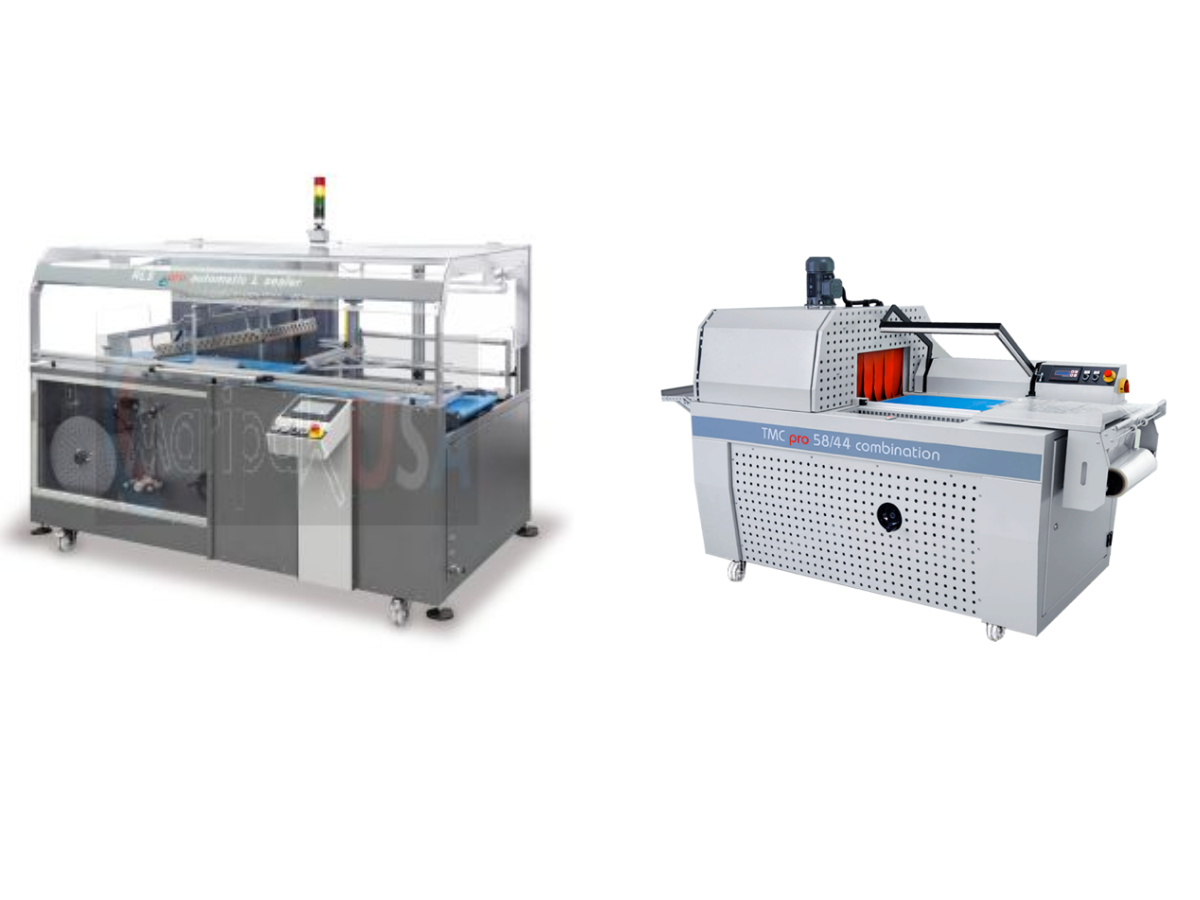
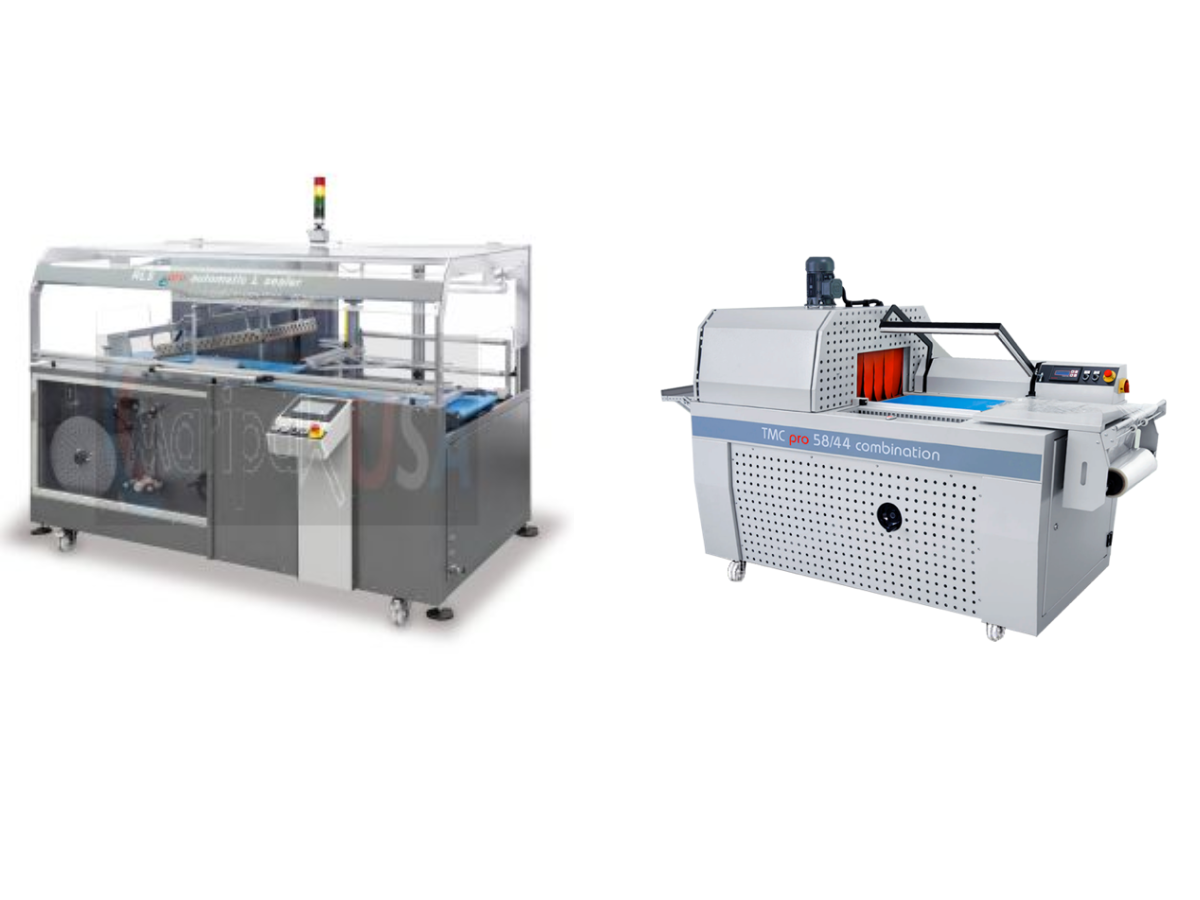
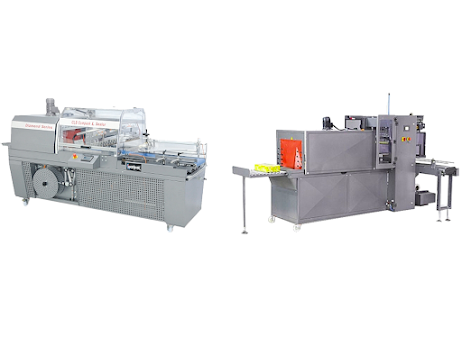
Continuous side sealers pass products along a conveyor while sealing the film on the side. They suit high-volume lines where products move steadily without stopping. L sealers create seals on two sides of the film in an L shape, cutting and sealing in a single action, which makes them a common choice for smaller batches or varied product sizes. Heat tunnels then carry the sealed package through a zone of heated air so the film shrinks around the contents. Peripheral equipment supports the main machines and helps keep products moving smoothly between stages. Some operations also use customized solutions built around specific product dimensions or line layouts. In industrial shrink packaging, matching each machine to the product is what keeps output reliable.
Where Industrial Applications Fit
Industrial users choose this method for several practical reasons. Shrink wrapping can bundle multiple items together, protect single products during storage and shipping, and give goods a tidy appearance on the shelf. The film is flexible, so it adapts to irregular shapes that would be harder to box. Because the process is repeatable, it supports consistent quality across large production runs. Manufacturers, distributors, and packaging operations use it to keep products clean and together as they move through warehouses and delivery routes.
What to Consider Before Choosing Equipment
Selecting machinery starts with understanding the product. Size, shape, and weight all influence whether a continuous system or an L sealer is the better fit. Production volume matters as well, because high-speed lines need equipment built for steady, uninterrupted operation. Film type and thickness should be compatible with the machine and the product, since they affect seal strength and the final look of the wrap. Operators should also think about floor space, ease of maintenance, and the availability of technical support and replacement parts. Planning these details early helps shrink packaging operations avoid downtime and keeps long-term costs predictable.
Final Thoughts
Understanding how film, sealing, and heat work together makes it easier to see why this packaging method is so widely used across industries. Each machine in the line has a specific job, from sealing the film around a product to guiding it through a heat chamber where the film tightens into its final shape. Choosing equipment that suits the product, the volume, and the available space helps ensure steady results. With a clear grasp of the basics, businesses can evaluate their options more confidently and build a packaging process that protects products from the production floor to the end customer.
Comments
Post a Comment