Industrial Shrink Wrapper: Improving PE Bundle Consistency

A wrapped bundle can look secure when it leaves a heat tunnel yet become unstable during stacking or transport. An industrial shrink wrapper must create repeatable packages across variations in product size, film behavior, and line speed. Polyethylene sleeve systems are commonly used to group products into transportable units, but finished quality depends on several connected stages. Identifying where inconsistency begins is often more effective than increasing heat or film usage.
Define the Load Before Adjusting Film
An industrial shrink wrapper needs a stable grouping pattern before the pack reaches the sealing station. Containers that lean, cartons with uneven dimensions, or products with slippery surfaces may shift as conveyors accelerate. If the grouped products enter the film unevenly, stronger shrinking may simply lock the instability into place.
Record bundle dimensions, total weight, stacking method, and the direction in which packages will be handled. Consider whether a tray or other support is required. The goal is not merely a tight sleeve; it is a package that can pass through storage and distribution without damaging the products inside. Tests should include the least stable product configuration, not only the easiest one.
Match the Collation Method to Line Behavior
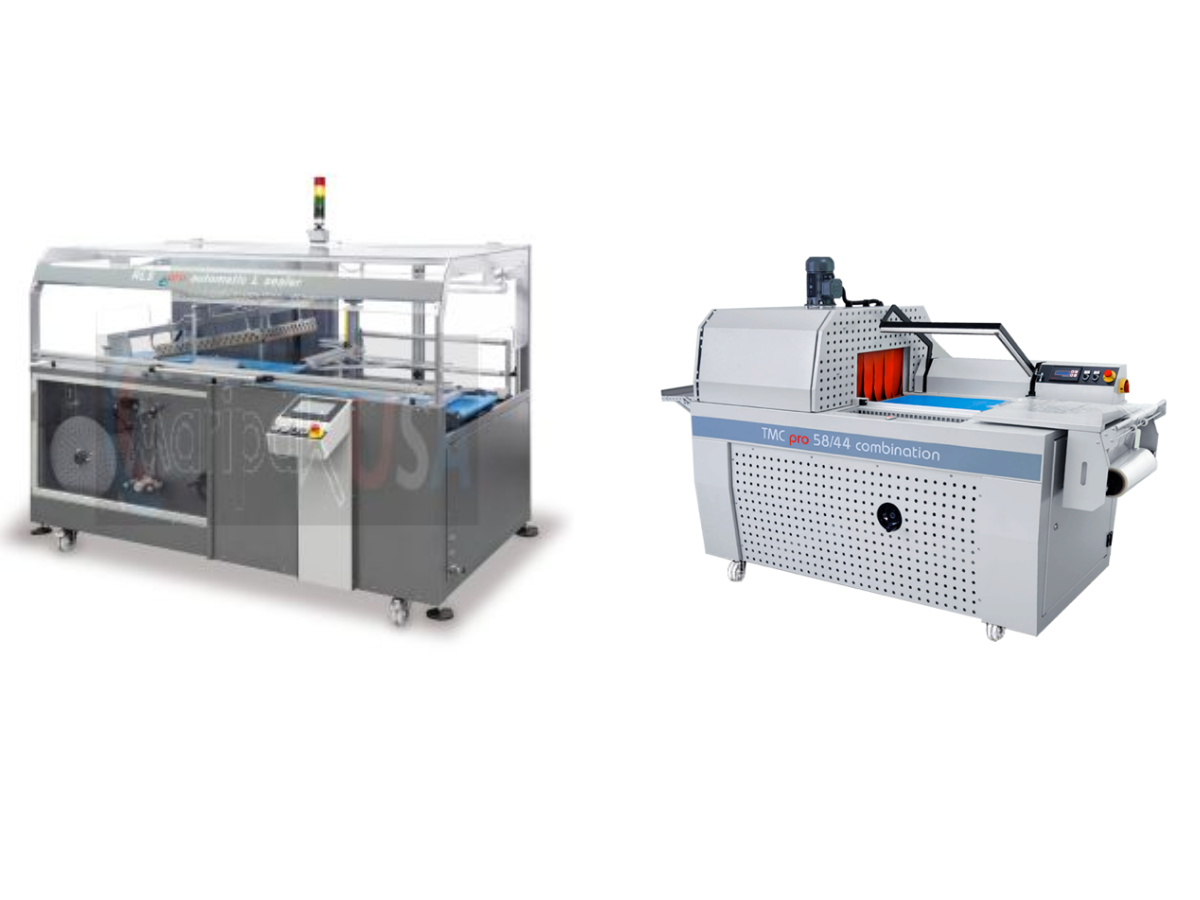
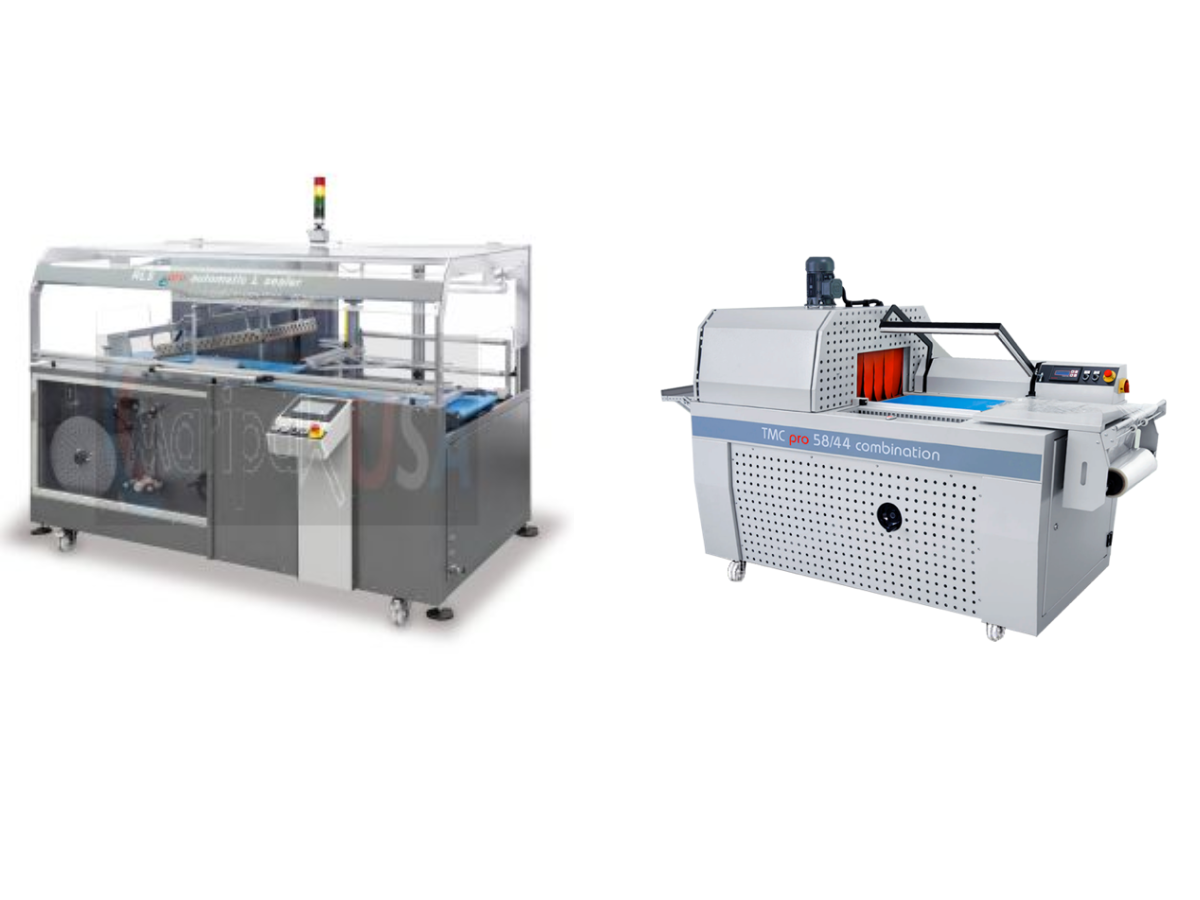
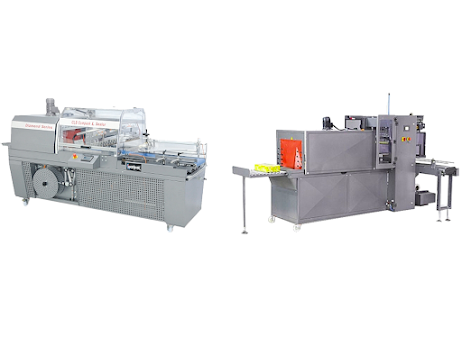
Different industrial shrink wrapper configurations address different feeding needs. The referenced PE equipment category lists manually collated MULTIMAC P units, inline MULTIMAC D systems, and MULTIMAC C machines with 90-degree feeding and collation. It also identifies continuous PE-D and higher-speed PE-MOTION families. These distinctions concern the movement and preparation of products, not just cosmetic differences between machines.
Manual grouping can accommodate some changes with direct operator involvement, while automated collation may provide more predictable spacing when the upstream line is stable. Neither arrangement solves inconsistent incoming product orientation by itself. Review transfer heights, accumulation pressure, sensing, and the ability to manage short upstream interruptions without creating jams.
Control the Interaction of Film and Heat
An industrial shrink wrapper uses film properties and tunnel conditions together to create the final bundle. Polyethylene film differs by grade, thickness, shrink characteristics, and intended application. Too much heat can distort packaging or affect sensitive contents; too little may leave loose corners. Uneven airflow, unsuitable conveyor speed, or incorrect film dimensions may produce similar-looking defects.
Instead of changing multiple settings at once, document the film specification and adjust operating parameters according to the machine and film manufacturer's guidance. Compare seal quality, shrink uniformity, and temperature after cooling. A package that appears firm while hot may relax as it reaches room temperature, which is why downstream checks matter.
Inspect Packs Under Real Handling Conditions
An industrial shrink wrapper should be assessed using finished-bundle tests appropriate to the supply chain. Observe whether packs remain aligned through conveyor transfers, pallet loading, and normal movement. Look for split seals, film tails, damaged corners, or containers working loose. A visual inspection at the tunnel exit cannot replace evaluation after cooling and handling.
Keep examples of acceptable and rejected packs, recording which film roll, product format, and machine settings were used. Patterns in the records can distinguish a defective roll from a sealing problem or a change in product dimensions. Avoid claiming a packaging standard has been met unless the relevant tests have actually been completed.
Maintain the Line Without Compromising Safety
Safe operation of an industrial shrink wrapper requires guarding around conveyors, moving seal components, and heated sections. Workers need clear instructions for stopping equipment and isolating stored energy before accessing a jam or replacing a component. Cleaning should prevent scraps of film from collecting near hot surfaces while protecting people from burns and unexpected motion.
Preventive maintenance should address sealing surfaces, sensors, conveyor tracking, tunnel airflow, and any pneumatic mechanisms. Review common downtime causes regularly rather than waiting for repeated defects to become normal. A stable line is often the result of small, consistent checks.
Conclusion
The right industrial shrink wrap machine should produce bundles that remain suitable for handling after they cool, not just attractive packages at the tunnel exit. Collation, film properties, heating, and downstream movement all influence the result. Consistent testing makes it easier to identify which part of the process needs correction. Finished-pack reliability is the most useful measure of success.
Comments
Post a Comment