Polyolefin Shrink Machine Guide: How Shrink Wrapping Works Today

Packaging does more than hold a product. It protects items during shipping, keeps bundles together, and gives shelves a clean, consistent look. One of the most common ways to achieve this is shrink wrapping, where plastic film is heated until it tightens around the product. Choosing the right film and equipment is an important decision, and a polyolefin shrink machine is a common option for businesses that package consumer goods, food items, and printed materials. This guide explains how the process works, what makes the film popular, and what to consider when selecting equipment.
What Shrink Wrapping Involves
Shrink wrapping is a packaging method in which a product is enclosed in plastic film and then exposed to heat. The film is stretched during manufacturing, which stores tension in the material. When heat is applied, that tension releases and the film pulls tightly around the item. The process generally has three stages. First, the product is placed in film that is sealed around it. Second, the sealed package passes through a heat source. Third, the film cools and holds its new shape. The result is a snug covering that follows the contours of the product. Seal styles vary, such as L-bar and sleeve seals, depending on the size and shape of the item being packaged.
Understanding Polyolefin Film
Polyolefin is a family of plastics that includes polyethylene and polypropylene. Polyolefin shrink film is widely used because it is typically clear, flexible, and suited to a broad range of products. Compared with older PVC film, polyolefin is often preferred for its lower odor during sealing, and many grades are made for food-contact packaging, though buyers should always confirm specifications with the film supplier. Films are available in cross-linked and non-cross-linked forms, with cross-linked types generally offering greater strength and puncture resistance. Thickness, measured in gauge, also matters. Thinner film suits lightweight items, while heavier film is better for larger or sharper products.
Main Components of Shrink Equipment
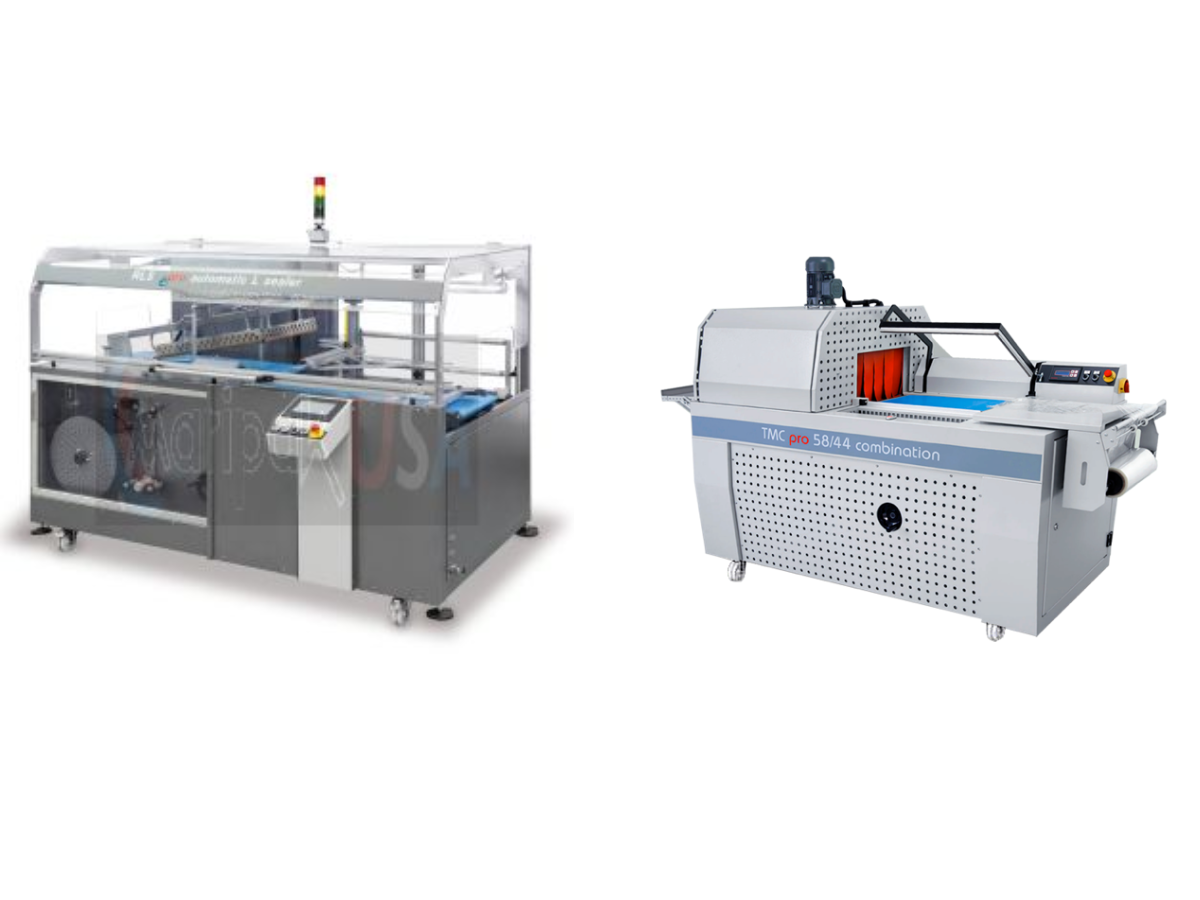
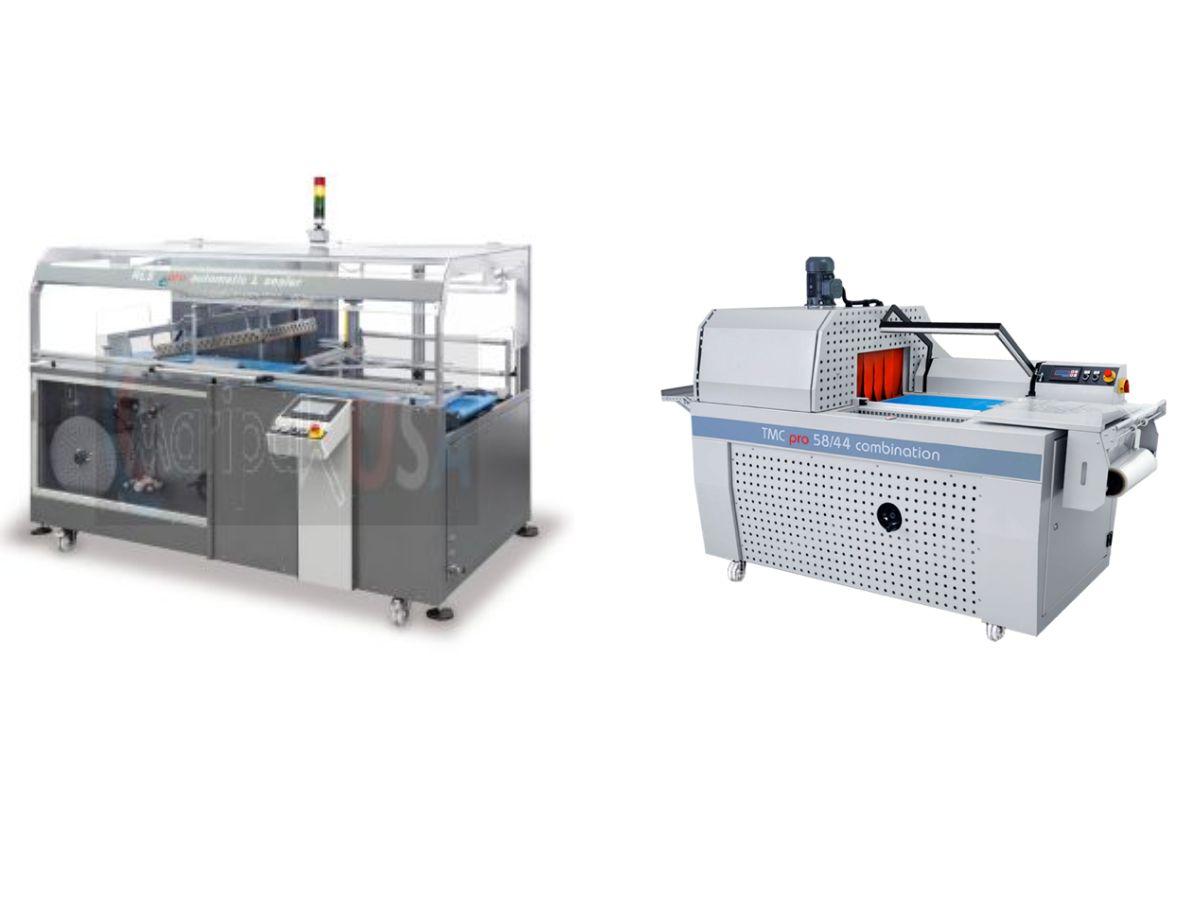
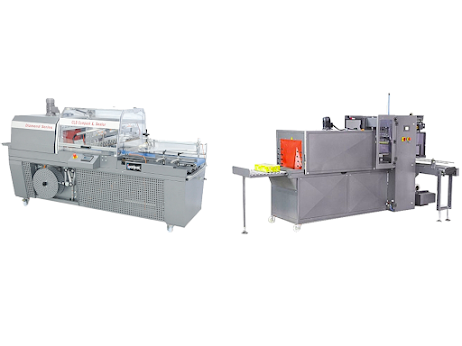
A typical polyolefin shrink machine setup combines a sealing station with a heat tunnel. The sealer joins the film around the product, and the tunnel applies hot air to shrink it. Conveyors move items through each stage, and adjustable controls let operators set temperature and belt speed. Some systems are manual, while others are semi-automatic or fully automatic and connect to production lines. Balance is important. Too much heat can distort the film or affect the contents, while too little leaves wrinkles and loose areas. Proper airflow helps the film shrink evenly across the package.
Common Applications
Shrink packaging appears in many industries. Boxed goods, books, games, bottle multipacks, food trays, cosmetics, and promotional bundles are all commonly wrapped this way. Because the film is transparent, customers can see the product, and the wrap helps guard against dust and moisture during storage and transit. Bundling several items into one unit also simplifies handling and stacking for warehouses and retailers.
How to Choose the Right Setup
Start by defining your products, including size range, shape, and weight. Next, estimate your volume. A low-volume operation may be well served by a manual or semi-automatic unit, while busy production lines may need automation. When you compare a polyolefin shrink machine, look at tunnel length, conveyor width, temperature range, and ease of adjustment. Also consider film compatibility, floor space, power requirements, and maintenance needs. Safety matters as well, since heated surfaces call for guards and adequate ventilation. Testing sample packages with your own products is a practical way to confirm results before committing.
Conclusion
Shrink packaging remains a practical way to protect products, present them clearly, and bundle items for shipping. Understanding how film, sealing, and heat work together makes it easier to match equipment to your needs. Businesses researching suppliers may want to review what companies such as Maripak USA offer alongside other options. Careful planning, sample testing, and regular maintenance help ensure clean, consistent results on every package.
Comments
Post a Comment