How to Choose Wrapping Equipment for Packaging Lines

Efficient packaging is essential for businesses that manufacture, store, and distribute physical products. From protecting goods during transportation to maintaining consistent packaging quality, the right machinery can influence production speed, material consumption, and operational costs. However, packaging lines often involve several interconnected machines, making equipment selection more complicated than simply choosing a wrapping machine.
Selecting suitable wrapping equipment requires understanding product dimensions, packaging materials, production capacity, and the role of supporting machinery. Conveyors, sealing systems, shrink tunnels, and other peripheral components must work together to maintain consistent product movement. Evaluating these factors helps manufacturers develop packaging operations that meet their production requirements without introducing unnecessary complexity.
What Is Wrapping Equipment in Industrial Packaging?
Wrapping equipment refers to machinery used to enclose, secure, or bundle products using packaging materials such as shrink film, stretch film, or polyethylene.
These machines are commonly used in manufacturing, food and beverage distribution, consumer goods packaging, and e-commerce fulfillment.
Depending on the application, a packaging system may include:
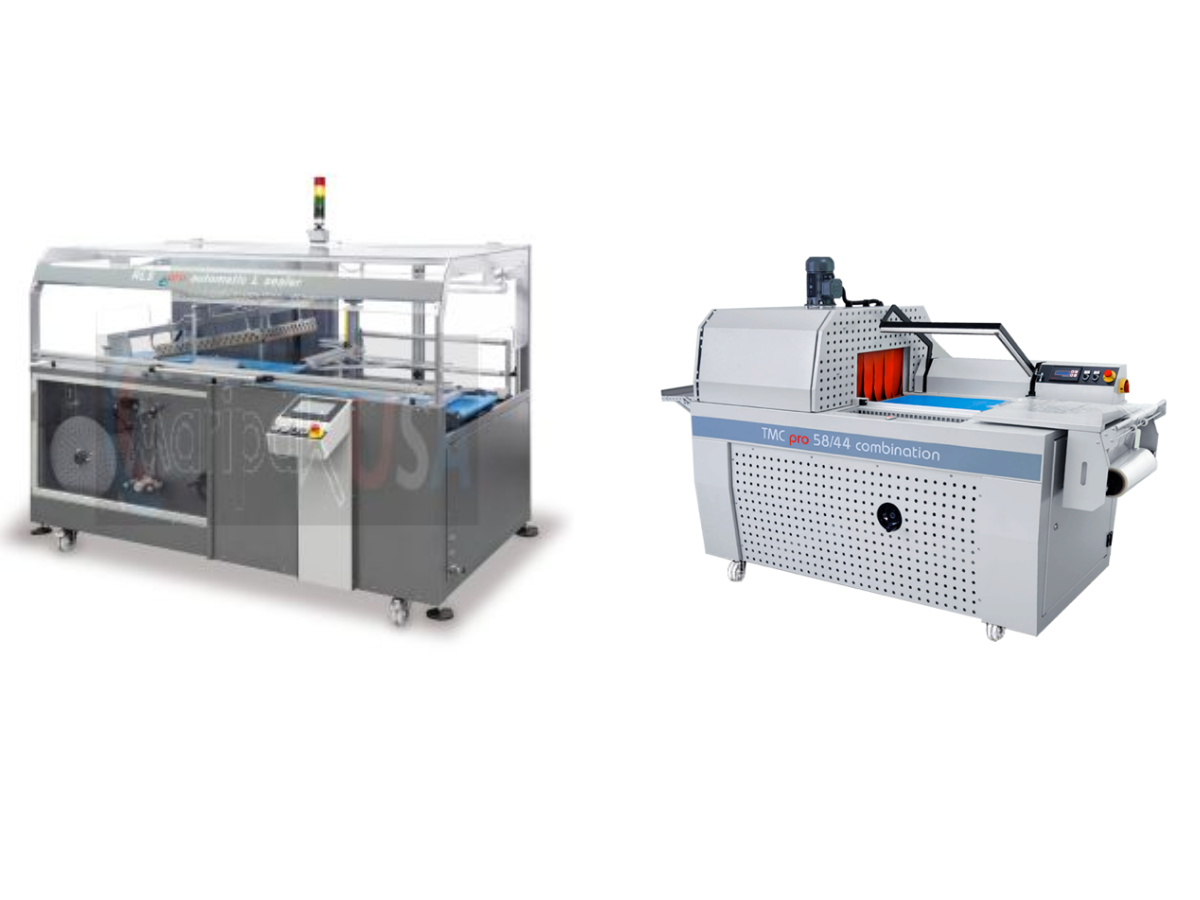
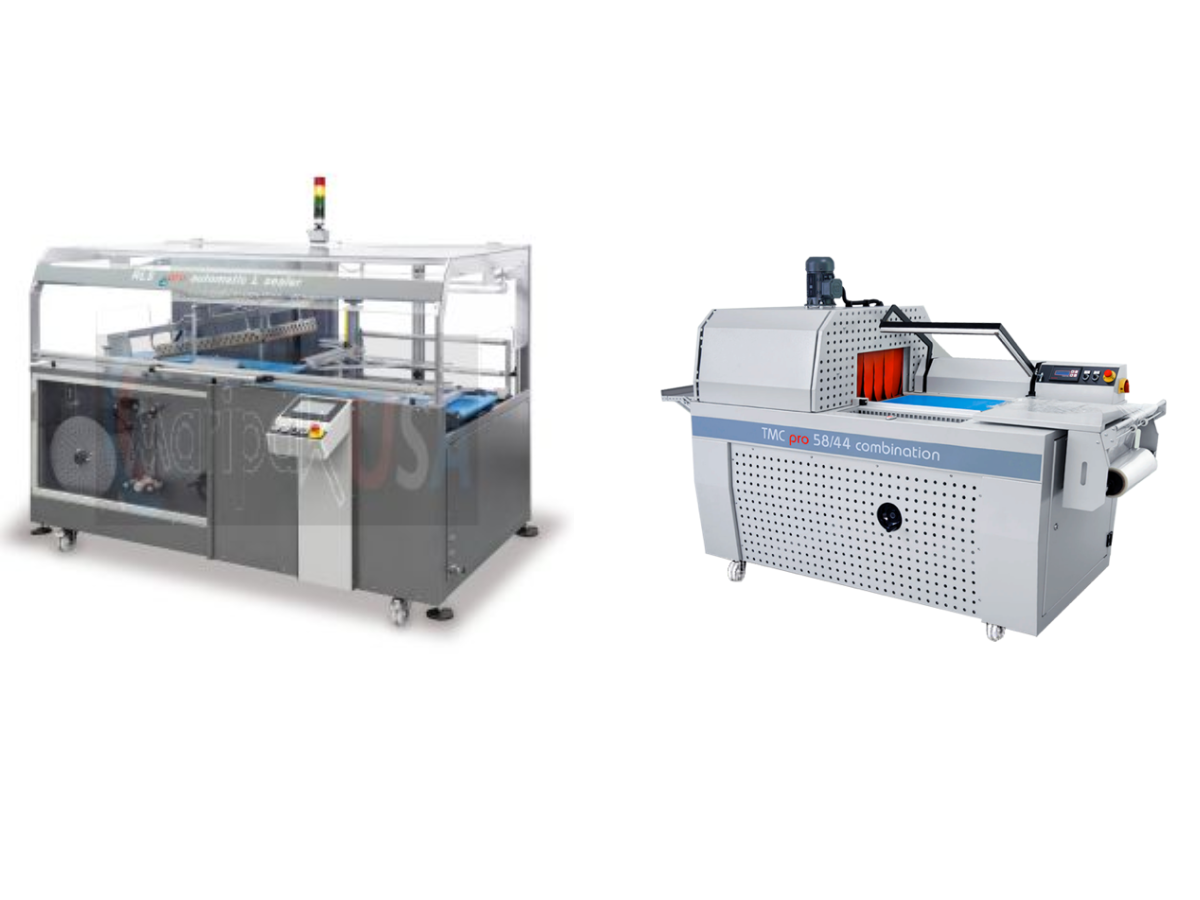
Shrink wrapping machines: Apply heat-sensitive film around individual products or grouped items.
Sealing machines: Create sealed edges around packaging materials.
Shrink tunnels: Apply controlled heat to shrink film around packaged products.
Conveyor systems: Transport products between packaging stages.
Bundling machines: Group multiple products into a single package.
Peripheral equipment: Includes feeders, folders, product guides, and other supporting components.
Each component performs a specific function within the packaging process.
How Does a Shrink Wrapping Line Work?
A typical shrink wrapping line uses several coordinated stages to produce a finished package.
Product Feeding
Products enter the packaging system manually or through a conveyor.
Consistent product spacing and orientation help prevent interruptions during subsequent operations.
Film Application
A suitable shrink film is positioned around the product.
The film type and thickness depend on the product's dimensions, weight, packaging requirements, and desired appearance.
Sealing
A sealing mechanism closes the film around the product.
L-bar sealers are commonly used for certain individual or grouped products, while side-sealing systems can support continuous packaging operations.
Heat Shrinking
The sealed package passes through a shrink tunnel.
Controlled heat causes the film to contract around the product, creating a fitted outer covering.
Product Discharge
A conveyor transfers the finished package toward inspection, labeling, carton packing, or another downstream process.
Proper coordination between these stages is essential for maintaining packaging consistency.
Why Are Conveyor Systems Important in Packaging?
Conveyors play a major role in the performance of automated wrapping equipment because they control how products move between machines.
Without appropriate product handling, even a high-capacity wrapping machine may experience frequent interruptions.
Motorized belt conveyors can help maintain consistent product movement and reduce manual handling between packaging stages.
Important conveyor characteristics include:
Belt width: The conveyor must accommodate the dimensions of the products being transported.
Load capacity: The system should support the weight of individual products or grouped packages.
Speed control: Adjustable speed helps coordinate product movement with sealing and shrinking operations.
Belt tracking: Proper alignment reduces wear and prevents unnecessary operational interruptions.
Working height: Conveyor height should match connected machinery and support safe material handling.
Some integrated conveyor systems allow operators to coordinate speed and start-stop functions with compatible sealing or tunnel equipment.
What Types of Wrapping Equipment Are Available?
Different packaging applications require different machinery configurations.
Manual Wrapping Systems
Manual systems rely on operators to position products and perform certain packaging tasks.
They are generally suitable for lower production volumes, irregular products, or operations that do not require continuous packaging.
Semi-Automatic Systems
Semi-automatic machines perform selected packaging functions while requiring operator involvement.
These systems may provide a practical balance between equipment investment and production capacity.
Fully Automatic Systems
Automatic packaging systems coordinate product feeding, film application, sealing, and discharge with limited routine manual intervention.
They are often used in higher-volume production environments where consistent throughput is important.
Industrial Bundling Systems
Bundling equipment groups multiple products into larger packages.
These systems may use polyethylene film to secure products such as bottles, cans, boxes, or other grouped items.
The appropriate configuration depends on product stability, film requirements, and transportation conditions.
How Do You Choose the Right Wrapping Equipment?
Choosing wrapping equipment requires evaluating the complete packaging operation rather than focusing on individual machine specifications.
Several factors deserve attention.
Product Dimensions and Weight
Machines must accommodate the largest and smallest products expected on the line.
Irregularly shaped or unstable products may require specialized feeding and guiding mechanisms.
Production Speed
Packaging equipment should match the desired number of finished packages per minute or hour.
However, manufacturers should consider sustainable operating capacity rather than relying exclusively on advertised maximum speeds.
Packaging Material Compatibility
Different machines are designed for particular film types and thickness ranges.
Polyolefin, polyethylene, and other shrink films have different sealing and shrinking characteristics.
Available Floor Space
Equipment dimensions, maintenance access, operator movement, and material storage all influence the required installation area.
Integration Requirements
New machinery should be compatible with existing conveyors, sealing equipment, control systems, and downstream operations.
Careful integration planning can help reduce production interruptions.
How Can Peripheral Equipment Improve Packaging Efficiency?
Peripheral equipment supports the movement, positioning, and handling of products throughout a packaging line.
For example, an infeed conveyor can maintain consistent spacing before sealing, while a discharge conveyor can transport finished packages away from a shrink tunnel.
Product guides help maintain alignment, and suitable feeding mechanisms can improve consistency when handling repeated package formats.
When evaluating wrapping equipment, manufacturers should consider whether supporting machinery can reduce manual transfers and improve coordination between production stages.
However, additional automation does not automatically increase efficiency. Poorly matched conveyor speeds or incompatible controls can create new bottlenecks.
The objective should be a balanced system in which each component supports the required production rate.
What Maintenance Does Industrial Wrapping Equipment Need?
Routine maintenance is important for equipment reliability, operator safety, and packaging quality.
Maintenance requirements vary by machine design, operating conditions, and manufacturer instructions.
Common activities include:
Inspecting conveyor belts for wear and tracking problems.
Checking sealing elements for damage or contamination.
Cleaning appropriate sensors and product-contact areas.
Verifying guards and emergency-stop functions.
Inspecting electrical connections through qualified personnel.
Monitoring shrink tunnel temperature performance.
Lubricating designated components according to manufacturer recommendations.
Reviewing recurring machine faults and production interruptions.
Operators should follow appropriate lockout/tagout procedures before servicing equipment where hazardous energy may be present.
Preventive maintenance schedules should reflect actual operating hours and the manufacturer's technical guidance.
How Can Businesses Reduce Packaging Costs?
Improving packaging efficiency involves more than increasing machine speed.
Businesses should examine film consumption, rejected packages, labor requirements, maintenance expenses, and energy use.
Incorrect film sizing can increase material waste, while unsuitable sealing temperatures may contribute to weak seals or damaged packaging.
Similarly, poorly coordinated conveyor speeds can cause product accumulation and unnecessary stoppages.
Manufacturers can improve performance by measuring packaging defects, reviewing machine downtime, and adjusting operating parameters within approved limits.
Regular performance monitoring helps identify where improvements are likely to provide meaningful operational benefits.
Conclusion
Industrial packaging systems depend on the coordinated performance of wrapping machines, sealing equipment, conveyors, and supporting components. Selecting machinery based on product requirements, material compatibility, production speed, and maintenance needs can help businesses develop more reliable packaging operations. For applications involving grouped products, a PE Bundler may be considered when polyethylene film is appropriate for securing multiple items into a single package. Ultimately, choosing suitable wrapping equipment requires evaluating the entire packaging process rather than individual machines in isolation. By understanding system integration, preventive maintenance, and production requirements, manufacturers can make informed equipment decisions that support consistent packaging quality and efficient material handling.
Comments
Post a Comment