Shrink Film Machines: Understanding Industrial Packaging Equipment

Modern packaging operations need equipment that can consistently prepare, seal, and finish products at the required production rate. Shrink film machines help businesses create secure packages by combining film wrapping with controlled sealing and heat application. Choosing the appropriate equipment requires consideration of product dimensions, packaging material, production volume, automation, and available workspace.
Understanding How Shrink Film Equipment Works
Shrink packaging generally involves placing film around a product, sealing the material, and applying controlled heat so the film conforms around the item. Different machine configurations can perform these stages separately or combine multiple functions into one system.
Industrial equipment can include L-sealers, side sealers, polyethylene wrapping systems, heat tunnels, and peripheral equipment. Each category addresses different packaging requirements, allowing production lines to be configured according to the products being handled.
Selecting the Right Machine Configuration
The type of product being packaged should guide equipment selection. L-sealers can be suitable for applications requiring a sealing process around individual products, while side-sealing systems are designed for continuous or high-speed packaging operations.
Polyethylene wrapping systems provide another option for larger products, bundles, or applications requiring stronger industrial film. Equipment can range from manually operated systems to fully automatic configurations, depending on production requirements.
When evaluating shrink film machines, businesses should therefore look beyond basic sealing capability and consider the complete packaging workflow.
Considering Production Speed
Production volume has a direct influence on machine selection. A system designed for occasional packaging may not be appropriate for a facility running continuous production throughout the day.
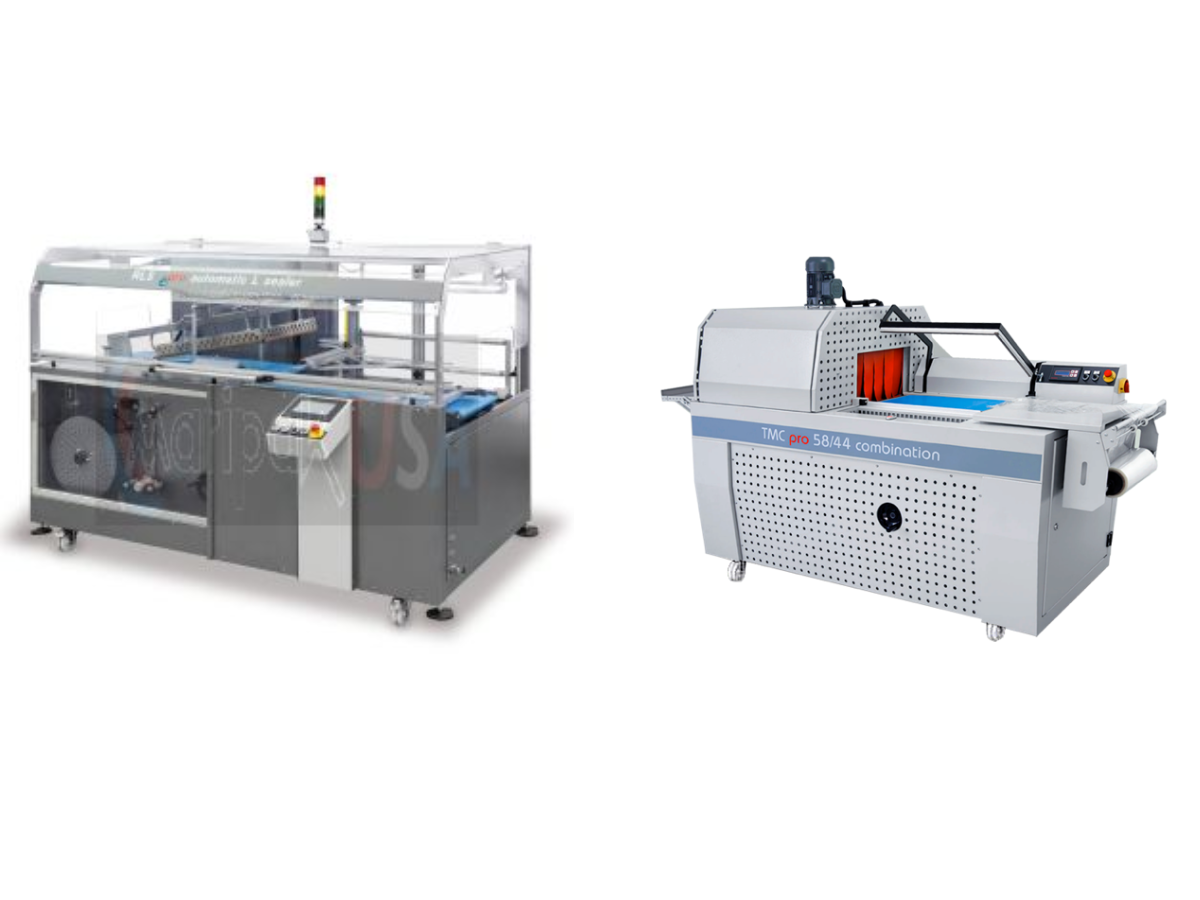
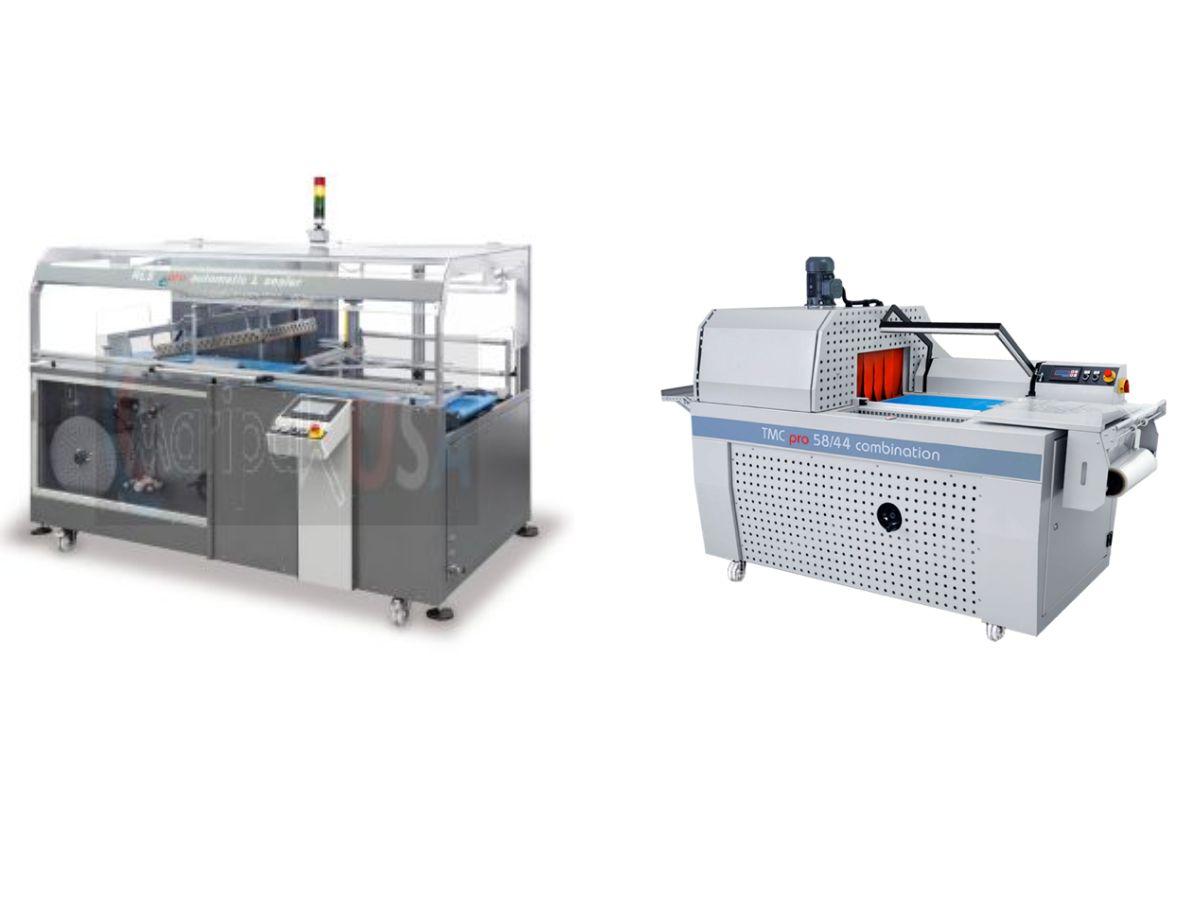
Automatic equipment can reduce repetitive manual tasks and provide more consistent package handling. For example, the RLS EPRO series is designed for automatic L-seal applications and can operate at approximately 98 feet per minute when combined with an appropriate infeed system.
Actual throughput depends on product dimensions, film type, machine configuration, setup requirements, and other factors within the production line.
Matching Film to the Application
Film selection should correspond with the product and equipment. Polyolefin and polyethylene are among the film types used with different shrink packaging systems, while specific machines may have defined film thickness ranges.
For example, Maripak's TMC combination systems list POF and PVC film specifications, with the acceptable range varying by model.
Before purchasing equipment, manufacturers should identify the film they intend to use and verify compatibility with the proposed sealing and shrinking system.
Combining Sealing With Heat Shrinking
Sealing and shrinking are separate stages, although certain equipment combines them into a single packaging system. L-sealer and heat-tunnel combinations can streamline the process by transferring the sealed package directly into controlled heat.
The TMC series, for instance, combines an L-sealer with a heat tunnel and uses motorised sealing-bar configurations. Such systems are designed for applications where consistent sealing and continuous shrink processing are important.
Evaluating Automation and Controls
Automation can affect labour requirements, consistency, and production flow. Fully automatic systems may incorporate servo-driven components, adjustable settings, touchscreen controls, and automated film-handling features.
The IMPACK Pro Motion Series, for example, uses servo-driven technology and adjustable settings to accommodate different product sizes and packaging materials.
Considering Maintenance and Support
Packaging equipment needs ongoing maintenance to remain reliable. Operators should account for cleaning, inspection, adjustment, replacement parts, and preventative maintenance when planning an installation.
Technical support can also be valuable when equipment requires troubleshooting or servicing. Maripak's website states that its North American operation provides technical support, parts, installation, setup, and training services.
Planning the Complete Packaging Line
The most suitable equipment depends on how products move through the facility. Infeed conveyors, sealers, tunnels, conveyors, film systems, and downstream handling equipment may all need to work together.
Businesses should examine product dimensions, desired production rate, film specifications, operator involvement, available floor space, electrical requirements, and future production needs before selecting a system.
For facilities with changing product requirements, shrink film machines with adjustable settings or configurable components may provide greater operational flexibility.
Conclusion
Selecting industrial shrink packaging equipment involves balancing product requirements, film compatibility, sealing methods, production speed, automation, maintenance, and available space. At Maripak USA, we provide a broad range of industrial shrink wrapping and packaging equipment, including L-sealers, side sealers, polyethylene wrapping systems, heat tunnels, and custom-built solutions for different applications.
Comments
Post a Comment