How Polyolefin Shrink Equipment Supports Efficient Packaging

Modern packaging operations need more than sealing machinery to maintain consistent product flow. Conveyors, feeders, folders, and heat tunnels all contribute to how efficiently products move through the packaging process. Selecting equipment that works together can reduce interruptions and create a smoother transition between wrapping, sealing, and shrinking. Polyolefin shrink equipment can be especially useful for operations handling products that require clean presentation, dependable wrapping, and controlled heat application. Understanding how these systems function can help businesses make better decisions when developing or improving a packaging line.
The Role of Shrink Equipment in Packaging
Shrink packaging generally involves enclosing a product with film, sealing the material, and applying controlled heat so the film conforms around the package. Each stage needs to operate consistently because an issue at one point can affect the finished package.
A complete packaging setup may include sealers, shrink tunnels, and conveyors. Conveyors are particularly important because they control product movement between different stages. Proper synchronization helps maintain spacing and reduces unnecessary manual handling.
Heat tunnels also influence the final appearance and stability of the package. Modern tunnel systems can be designed for different film materials and continuous production environments. Some systems support both PE and polyolefin materials, allowing greater flexibility when packaging requirements change.
Why Conveyors Matter in Shrink Packaging Lines?
A conveyor may appear to be a simple component, but its performance can directly affect the overall packaging process. Products must enter sealers at an appropriate pace and leave heat tunnels without unnecessary interruptions.
Motorized belt conveyors can provide controlled product movement while connecting separate pieces of equipment into a coordinated line. Adjustable conveyor heights can also help accommodate different machine configurations and production layouts.
For example, synchronized conveyor systems can connect directly with sealers or tunnels, allowing the equipment to operate as a more unified system. This can help maintain consistent product flow and reduce the need for a separate power source for certain conveyor configurations.
Choosing Polyolefin Shrink Equipment for Different Applications
When selecting polyolefin shrink equipment, businesses should consider product dimensions, packaging volume, film characteristics, and the desired level of automation. A small operation with varying products may require greater flexibility, while a high-volume production environment may prioritize continuous movement and consistent cycle times.
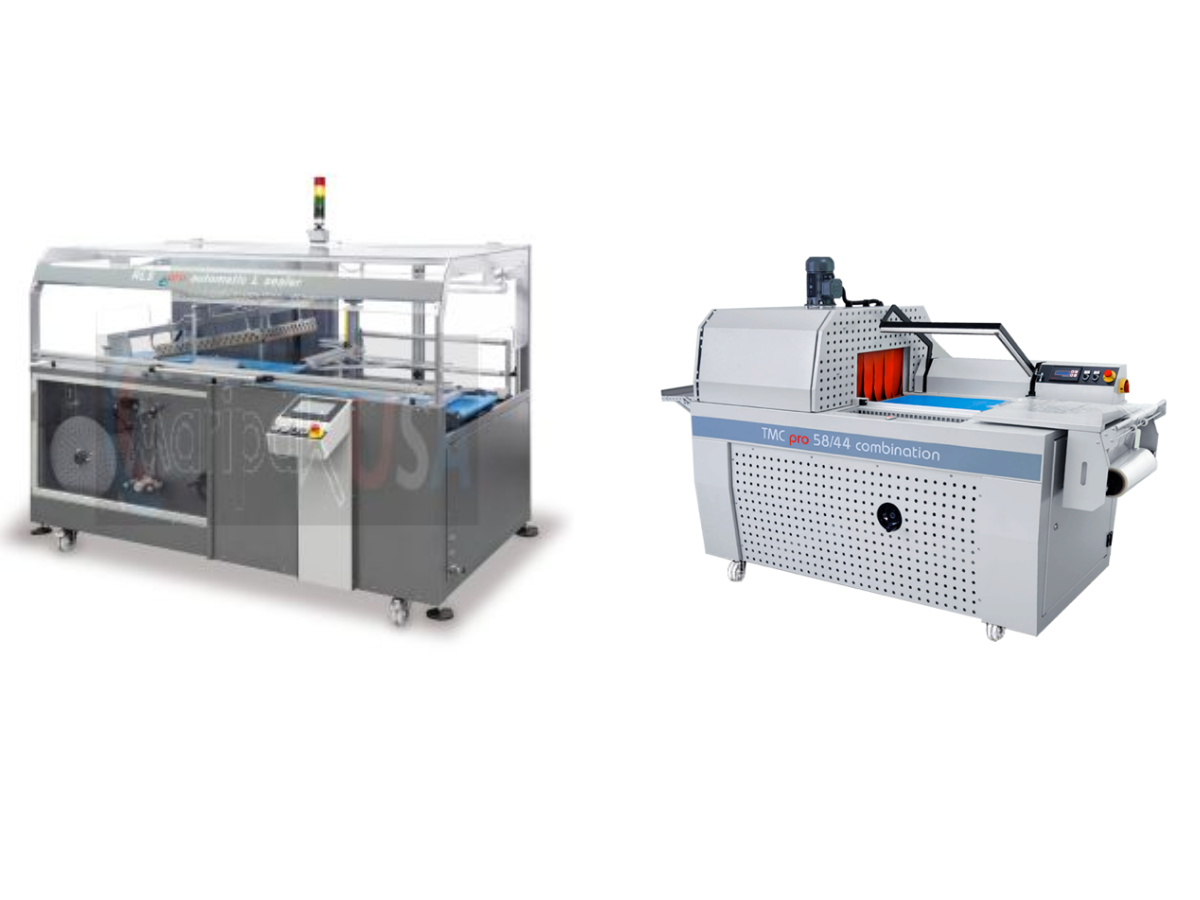
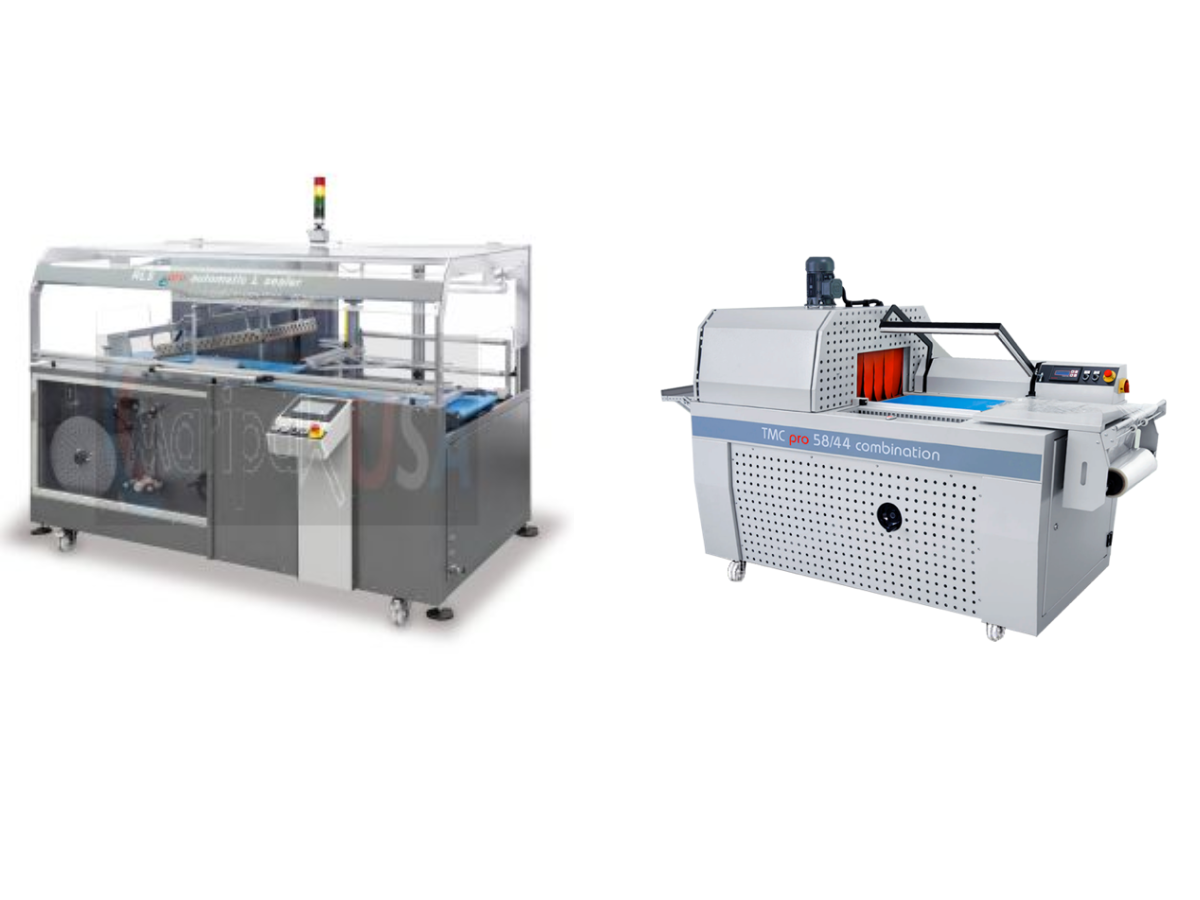
The type of sealing system is another important consideration. L-sealers can support standard shrink applications, while side-sealing systems may be better suited to continuous packaging requirements. Heat tunnels then provide the controlled heating stage required to tighten the film around the product.
Peripheral equipment can further expand a packaging system. Feeders, folders, product aligners, and other customized components can help automate product presentation and movement before or after the primary wrapping process.
Improving Efficiency Through Equipment Integration
Packaging efficiency is not determined by one machine alone. The way different components communicate and operate together can have a significant effect on throughput and consistency.
Integrated conveyors can help maintain product spacing, while automated feeding and grouping systems can reduce manual intervention. Equipment designed around a specific production layout can also make it easier to manage product movement and minimize bottlenecks.
Maintenance should also be considered during equipment selection. Accessible components, appropriate operating controls, and dependable technical support can make routine servicing easier and help reduce avoidable downtime. A well-planned packaging system should therefore balance production requirements with long-term operational needs.
Conclusion
Effective shrink packaging depends on coordinated movement, accurate sealing, controlled heat, and appropriate film handling. At Maripak USA, we understand that every packaging line can have different operational requirements, which is why our approach focuses on equipment integration and practical system needs. Choosing equipment according to product requirements and production volume can help create a more consistent packaging workflow. We provide solutions that can incorporate conveyors, feeders, sealers, and heat tunnels to support smoother product movement and dependable packaging performance.
Comments
Post a Comment