Industrial Packaging Explained: Choosing a Machine Shrink Wrap System

As production volumes grow, businesses often reach a point where manual wrapping methods can no longer keep pace with order demand. Investing in a dependable machine shrink wrap system allows operations to package products faster, more consistently, and with fewer labor hours per unit. We work with businesses transitioning from manual processes to automated systems, and we've seen firsthand how the right setup transforms daily packaging workflows.
Why Businesses Move Beyond Manual Wrapping
Manual shrink wrapping using handheld heat guns works fine for very low-volume operations, but it becomes inefficient and inconsistent as order counts climb. Seal quality varies from operator to operator, and the physical demands of repetitive manual wrapping can lead to fatigue and slower output over a full shift. A properly selected machine shrink wrap solution removes much of this variability while significantly increasing throughput.
Types of Shrink Wrap Machines Available
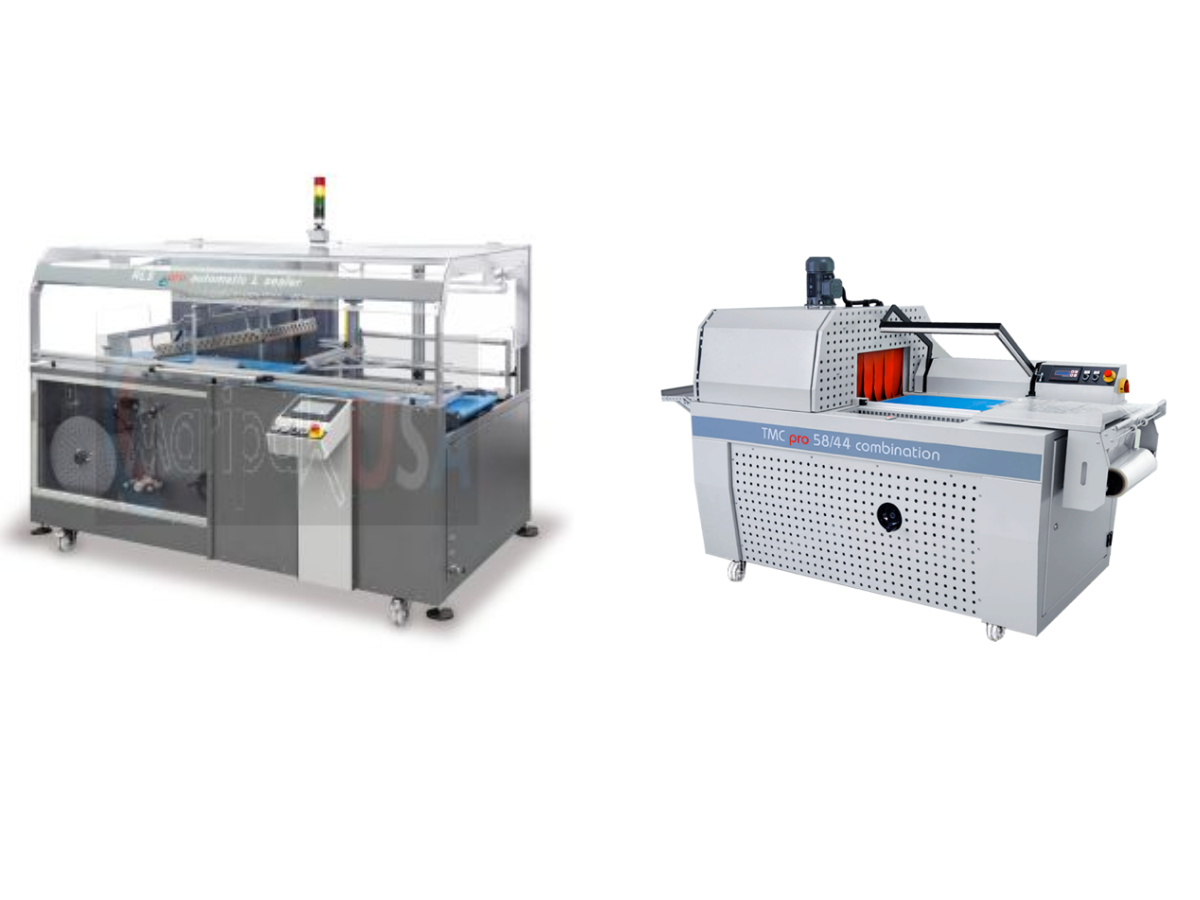
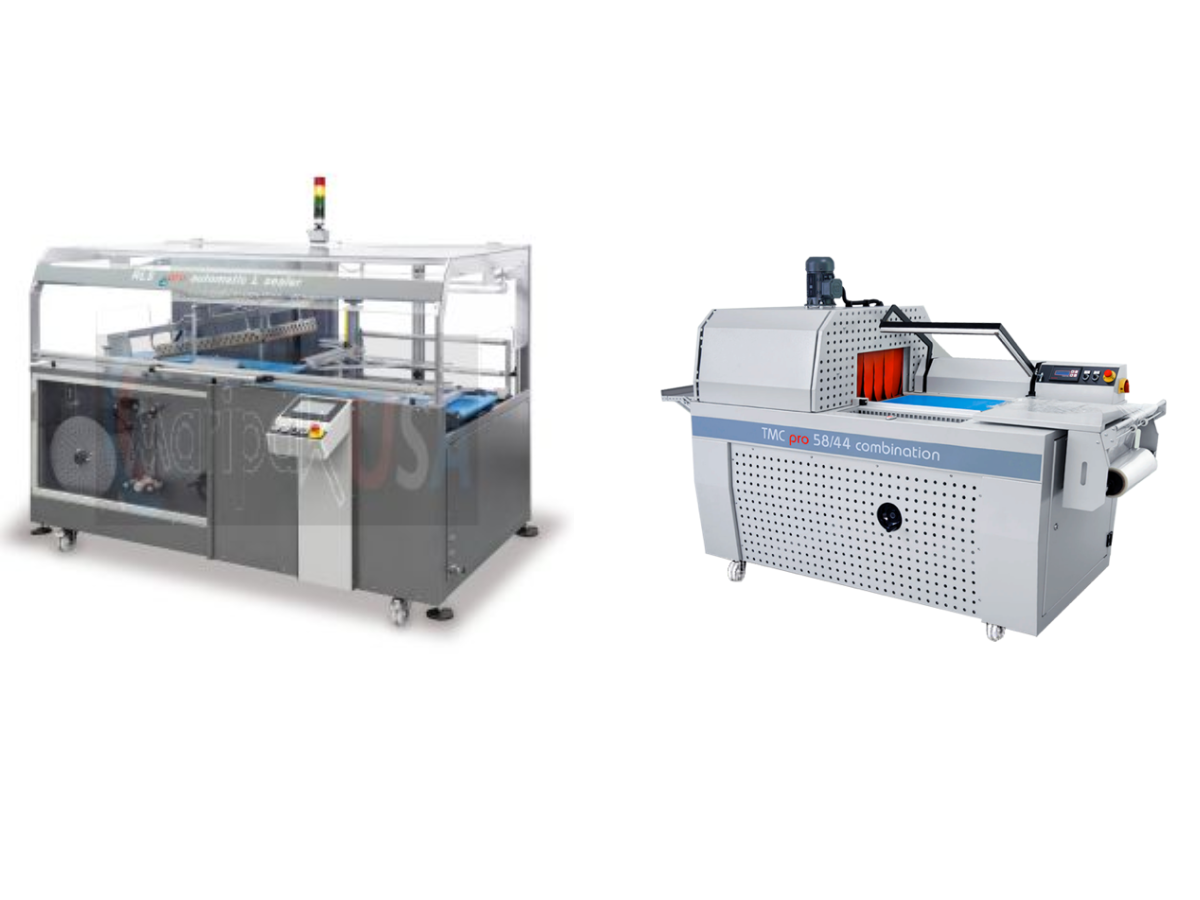
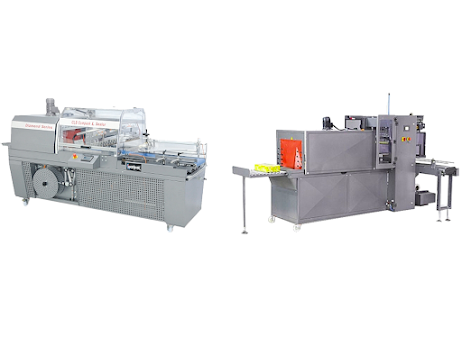
Equipment ranges from compact L-bar sealers suited to smaller operations to fully automatic systems capable of processing thousands of units per shift with minimal operator involvement. Semi-automatic machines fall between these extremes, offering higher throughput than manual sealing while still requiring some operator interaction for loading and positioning products before sealing.
Matching Equipment to Production Volume
Selecting the right machine shrink wrap setup starts with an honest assessment of current and projected order volume. Overbuying capacity ties up capital unnecessarily, while underbuying leads to bottlenecks as demand grows. We often walk customers through their actual production numbers to recommend equipment that fits both current needs and reasonable growth projections.
Film Compatibility and Material Considerations
Not all shrink film works with every machine, and compatibility depends on factors like film thickness, material type, and intended product shape. Polyolefin film is popular for its clarity and durability, while PVC offers a lower-cost option suited to less demanding applications. Choosing film that matches both the product and the equipment ensures consistent seal quality over time.
Integrating Equipment Into Existing Workflows
Adding automated equipment often requires rethinking workflow layout, from how products move toward the machine to how sealed items are handled afterward for shipping or storage. We frequently recommend mapping out the full packaging line before installation to identify potential bottlenecks that could limit the benefits of upgraded equipment.
Maintenance Practices That Extend Equipment Life
Routine cleaning of sealing bars and heat tunnels prevents residue buildup that can affect seal consistency over time. Scheduled inspections of heating elements, conveyor belts, and sealing mechanisms help catch minor issues before they become costly repairs or unexpected downtime during production runs.
Training Staff for Consistent Results
Even automated equipment benefits from properly trained operators who understand correct loading techniques and basic troubleshooting. We typically recommend hands-on training sessions during installation, since operators who understand the equipment thoroughly tend to produce more consistent results and catch minor issues before they affect output quality.
Common Mistakes When Upgrading Equipment
Businesses sometimes rush an equipment transition without evaluating floor space, power requirements, or staff training needs. Underestimating film usage or choosing a machine on price alone rather than actual production fit are common missteps we see, ones that proper planning tends to prevent.
Evaluating Return on Investment
Calculating true return on an equipment upgrade means looking beyond purchase price alone. Reduced labor hours, lower film waste from consistent sealing, and fewer returns due to inconsistent packaging all factor into real savings over time, often paying back the investment faster than expected.
Conclusion
Choosing the right machine shrink wrap setup comes down to matching equipment capability, film compatibility, and workflow integration to actual production needs. At Maripak USA, we've found that businesses who invest time in proper equipment selection and staff training see the strongest long-term returns on their packaging investment. A thoughtful approach today supports smoother, more scalable operations as order volume continues to grow.
Comments
Post a Comment