Shrink Wrap Packaging Machine: How It Improves Modern Packaging Operations

Packaging is a crucial part of manufacturing, distribution, and retail because it protects products, improves handling, and creates a professional presentation. As businesses increase production volumes and customer expectations continue to grow, efficient packaging solutions have become more important than ever.
A shrink wrap packaging machine helps businesses automate the process of wrapping products with shrink film and creating secure packages through controlled heating. These machines improve packaging speed, consistency, and product protection while reducing the time and effort required compared with manual wrapping methods.
Understanding how these machines work, their benefits, and the factors to consider before investing in one can help businesses choose the right packaging solution for their operations.
What Is a Shrink Wrap Packaging Machine?
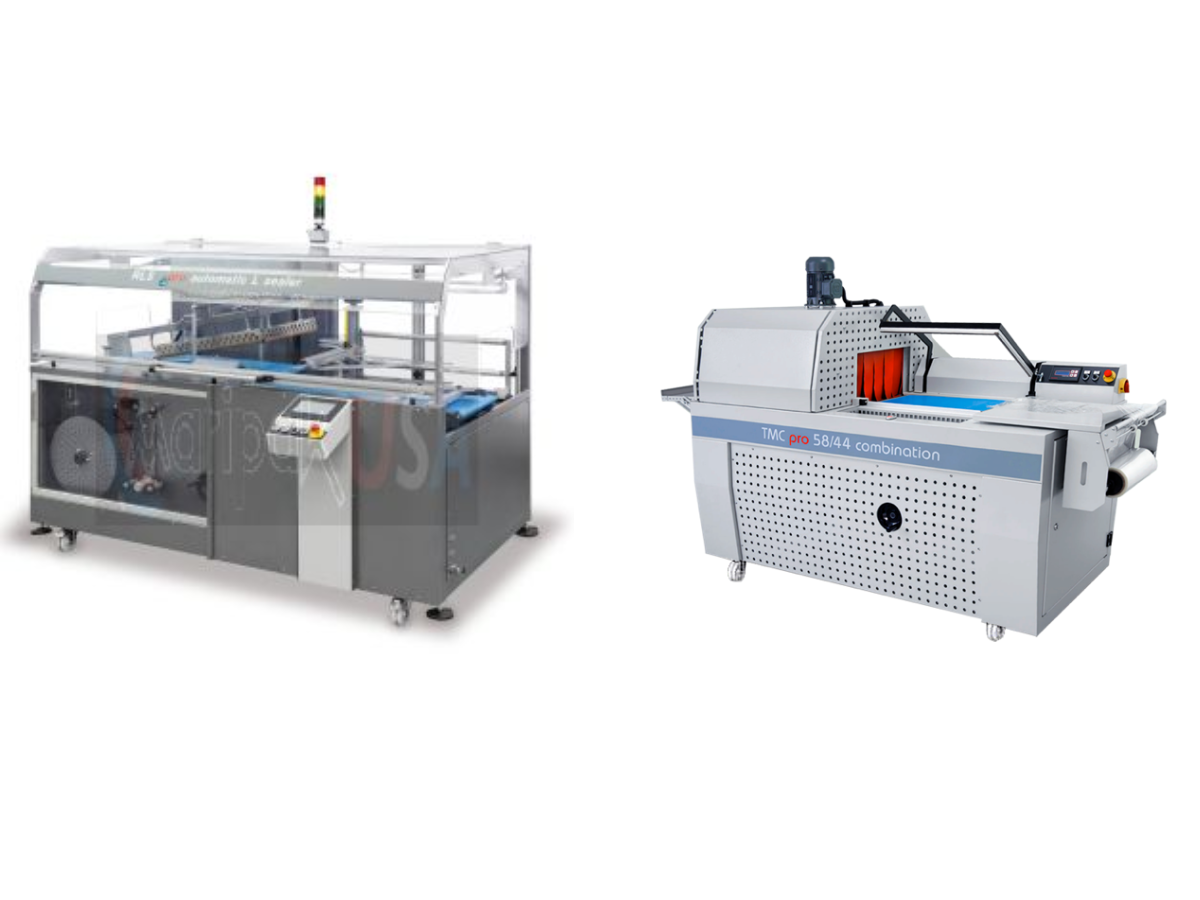
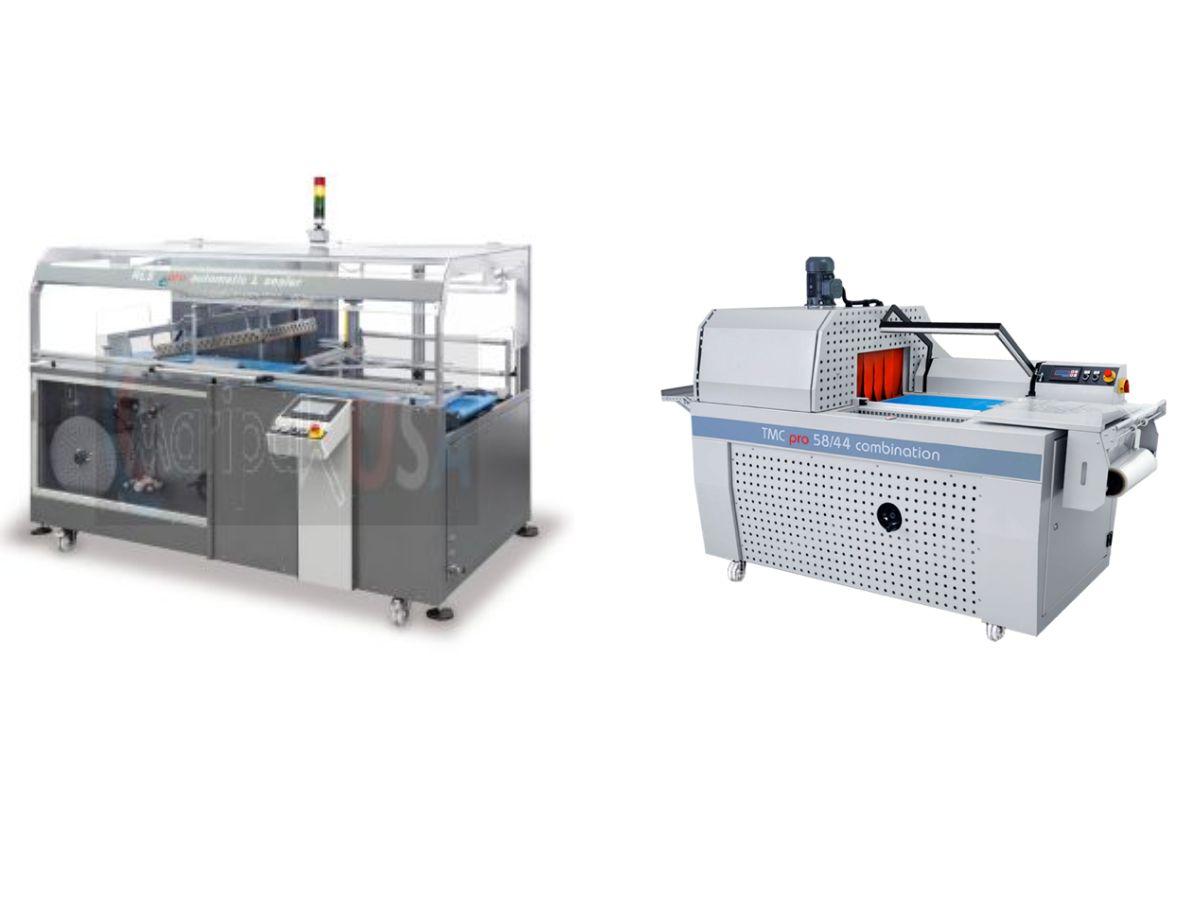
A shrink wrap packaging machine is an automated or semi-automated system that applies shrink film around products and uses heat to create a tight protective covering. The machine wraps products, seals the film, and applies controlled heat that causes the material to shrink around the item.
These machines are used across many industries because they can package products of different sizes, shapes, and quantities.
Common applications include:
Food and beverage packaging
Consumer goods
Industrial products
Electronics
Pharmaceutical products
E-commerce shipments
By improving packaging efficiency and consistency, shrink wrapping machines help businesses streamline their operations.
How Does a Shrink Wrap Packaging Machine Work?
The shrink wrapping process involves several stages designed to create a secure and professional package.
Product Placement
Products are positioned into the packaging area either manually or through an automated feeding system. Machine configuration depends on the production requirements and product type.
Film Wrapping
The machine applies a layer of shrink film around the product. The film creates a protective barrier that keeps items together and helps prevent exposure to external elements.
Different types of shrink films may be used depending on the application, including:
Polyethylene (PE)
Polyolefin (POF)
PVC film
Sealing Process
After wrapping, the film is sealed using a heated sealing mechanism. This creates a closed package that is ready for the shrinking stage.
Heat Shrinking
The sealed package moves through a heat tunnel or heating area. Controlled heat causes the film to contract tightly around the product, creating a secure and stable package.
Benefits of Using a Shrink Wrap Packaging Machine
Faster Packaging Process
One of the biggest advantages of automated shrink wrapping equipment is improved speed. Machines can complete packaging tasks much faster than manual methods.
This allows businesses to:
Increase production output
Reduce packaging time
Improve workflow efficiency
Handle larger order volumes
For companies managing high production demands, automation can create significant operational improvements.
Consistent Packaging Quality
Manual packaging can result in differences in wrapping tightness, appearance, and material usage. A machine provides more consistent results by controlling film application and heating processes.
Consistent packaging helps businesses maintain professional product presentation and reliable quality standards.
Improved Product Protection
Shrink film provides a protective layer around products, helping reduce exposure to:
Dust
Moisture
Handling damage
Environmental factors
This makes shrink wrapping especially valuable for products that require secure transportation and storage.
Better Product Presentation
Packaging influences customer perception. Clear and neatly applied shrink film creates a clean appearance while allowing customers to view the product.
Retail businesses often use shrink wrapping because it improves presentation while maintaining product protection.
Types of Shrink Wrap Packaging Machines
Different businesses require different machine configurations based on production volume and packaging goals.
Manual Shrink Wrapping Machines
Manual machines require operators to position products and manage parts of the wrapping process.
They are suitable for:
Small-scale operations
Low production volumes
Specialty packaging applications
Semi-Automatic Shrink Wrapping Machines
Semi-automatic systems reduce manual effort while maintaining flexibility. Operators may load products while the machine handles sealing and shrinking.
These machines are useful for businesses that need improved efficiency without fully automated production lines.
Automatic Shrink Wrapping Machines
Automatic systems are designed for high-volume operations. They can perform multiple packaging steps with limited operator involvement.
Features may include:
Automatic product feeding
Film application
Sealing
Shrinking
Conveyor integration
These machines are commonly used in large manufacturing and distribution environments.
Factors to Consider Before Buying a Shrink Wrapping Machine
Choosing the right machine requires careful evaluation of business needs.
Production Volume
The required packaging speed is one of the most important considerations. Businesses with high output requirements may need automatic systems, while smaller operations may benefit from semi-automatic options.
Product Dimensions
The machine should be capable of handling the size and shape of products being packaged. Businesses should consider both current products and possible future packaging needs.
Film Compatibility
Different shrink films provide different benefits. Selecting equipment compatible with the right film type helps achieve better packaging results.
Energy Efficiency
Modern packaging equipment should balance performance with energy consumption. Efficient machines can help reduce operating costs over time.
Maintenance Requirements
Regular maintenance helps ensure consistent performance and extends equipment lifespan.
Important maintenance considerations include:
Cleaning components regularly
Checking heating systems
Inspecting moving parts
Replacing worn components
Following manufacturer guidelines
Industries That Use Shrink Wrap Packaging Machines
Shrink wrapping technology supports many industries with different packaging requirements.
Food and Beverage Industry
Food manufacturers use shrink wrapping to bundle products, protect packaging, and improve transportation efficiency.
Manufacturing Industry
Manufacturers rely on shrink wrapping to secure products and components during storage and shipping.
Retail Industry
Retail businesses use shrink wrapping to improve product appearance and provide additional protection.
E-Commerce Businesses
Online retailers benefit from efficient packaging solutions that help prepare products quickly while reducing damage during delivery.
Choosing the Right Packaging Equipment Provider
Selecting the right equipment provider is an important part of successful packaging automation. Businesses should consider factors such as machine reliability, technical support, customization options, and long-term service.
Experienced packaging providers like Maripak USA help businesses identify suitable packaging solutions based on their operational requirements and industry needs.
Future of Shrink Wrapping Technology
The packaging industry continues to develop with advancements in automation, smart technology, and sustainable practices.
Future trends may include:
More intelligent machine controls
Improved energy efficiency
Reduced film waste
Better production monitoring
Increased automation integration
These improvements help businesses create faster, more efficient, and more sustainable packaging processes.
Conclusion
A shrink wrap packaging machine provides businesses with an effective way to improve packaging speed, consistency, and product protection. By automating the wrapping process, companies can reduce manual effort while maintaining professional packaging standards. Choosing the right system requires evaluating production needs, product specifications, film compatibility, and maintenance requirements. Partnering with experienced providers like Maripak USA can help businesses implement reliable packaging solutions that support efficiency and long-term operational growth.
Comments
Post a Comment