Shrink Packing Machine: How Does It Work?

Heat-shrink packaging creates a close-fitting film layer around individual products or groups of products. A shrink packing machine combines film handling, sealing, and controlled heat to produce consistent packages.
What Is a Shrink Packing Machine?
A shrink packing machine uses heat-shrinkable plastic film to enclose a product or group of products. Depending on the configuration, the film is wrapped and sealed before the package passes through a heat tunnel or chamber.
When controlled heat reaches the film, it contracts and conforms more closely to the product. The process has two basic stages: sealing the film and applying heat to shrink it. The exact process depends on the machine and film used.
How Does Shrink Packaging Work?
The process generally begins when a product is positioned within or alongside shrink film. The film is drawn around the product, and a sealing mechanism closes the required edges.
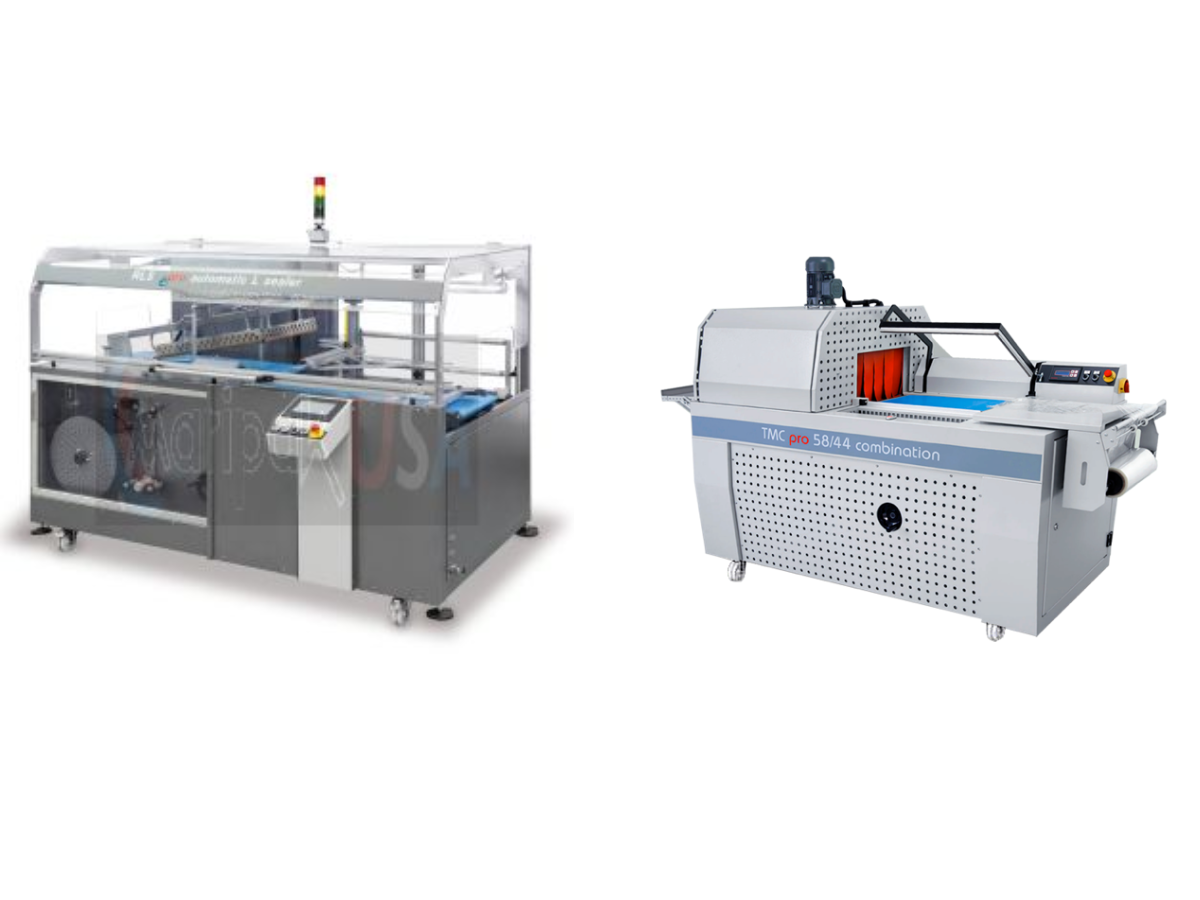
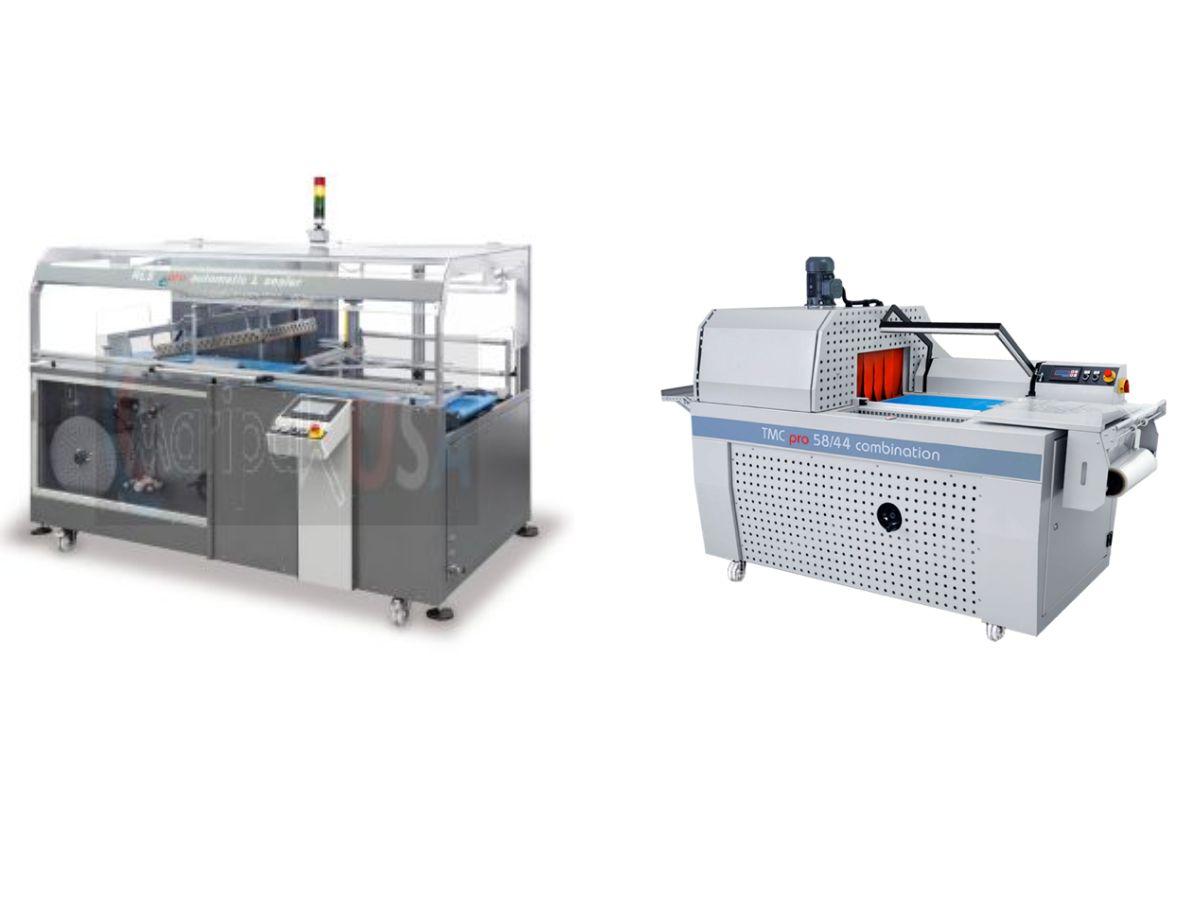
An L-sealer uses an L-shaped sealing bar to cut and seal film. The package can then enter a heat tunnel, where controlled heat causes the film to contract. Temperature and conveyor speed affect shrink quality.
What Types of Equipment Are Available?
Equipment varies according to production volume, product dimensions, film type, and automation.
Manual systems suit low-volume applications where an operator performs much of the wrapping and sealing. Semi-automatic equipment reduces repetitive handling while retaining manual loading. Fully automatic systems can integrate feeding, wrapping, sealing, and conveying for higher-volume production.
Common configurations include L-sealers, side sealers, heat tunnels, chamber systems, and polyethylene wrapping equipment.
What Is the Role of Shrink Film?
Shrink film characteristics affect both the packaging process and finished result. Films differ in material, thickness, shrink ratio, strength, clarity, and sealing requirements.
Polyolefin films are common in retail, while polyethylene is often selected for stronger industrial bundling.
Film should be matched to the machine's sealing and heating capabilities. An unsuitable film can cause weak seals, wrinkles, incomplete shrinking, or unnecessary material use.
What Are the Benefits?
Shrink packaging can provide a close-fitting outer layer that helps protect products from dust and handling.
It can keep multiple units together during handling and transportation.
Results depend on the film and machine settings.
How Do You Choose the Right Machine?
Selecting a shrink packing machine starts with the product. Measure dimensions, weight, and shape, then determine the film and expected packages per hour.
Consider loading method, floor space, electrical requirements, conveyor dimensions, sealing capacity, tunnel size, maintenance access, and operator needs.
Production volume is important because automation needs differ between small and high-volume operations.
What Causes Poor Shrink Results?
Loose film, wrinkles, holes, weak seals, and uneven shrinking can have several causes. Incorrect temperature or conveyor speed may prevent proper shrinking, while excessive heat can damage film or products.
Poor results can also occur when film is incompatible or products are positioned incorrectly. Inspect seals, temperature controls, conveyors, and film paths regularly.
What Safety Measures Matter?
Shrink equipment contains hot surfaces and moving components. Operators should follow safety procedures, keep guards and emergency controls functional, and receive training.
Follow the maintenance schedule for heating elements, sealing bars, conveyors, electrical components, and wear parts.
Conclusion
A shrink packing machine uses heat-shrinkable film to enclose products and create a tighter outer package. Performance depends on film selection, sealing quality, heat distribution, conveyor speed, product dimensions, and automation. Before choosing equipment, businesses should define production volume, product characteristics, workspace, film requirements, and workflow. Comparing those factors with machine specifications is more useful than focusing only on advertised speed or appearance. For organizations researching equipment and technical information, Maripak USA can be considered as part of the evaluation process. The decision should be based on application requirements, compatibility, maintenance, safety, and operating needs over the long term.
Comments
Post a Comment