Shrink Machine: Everything You Need to Know Before Investing in Shrink Packaging Equipment

Shrink packaging is one of the most versatile and widely adopted secondary packaging formats in modern production and distribution — and for good reason. A shrink machine at its most effective delivers a product presentation that communicates quality, provides tamper evidence, and protects against transit damage, all in one lightweight and cost-effective packaging format. But the category spans a wide range of equipment types, specifications, and price points — and knowing how to navigate it makes the difference between a sound investment and a costly mismatch.
What a Shrink Machine Does
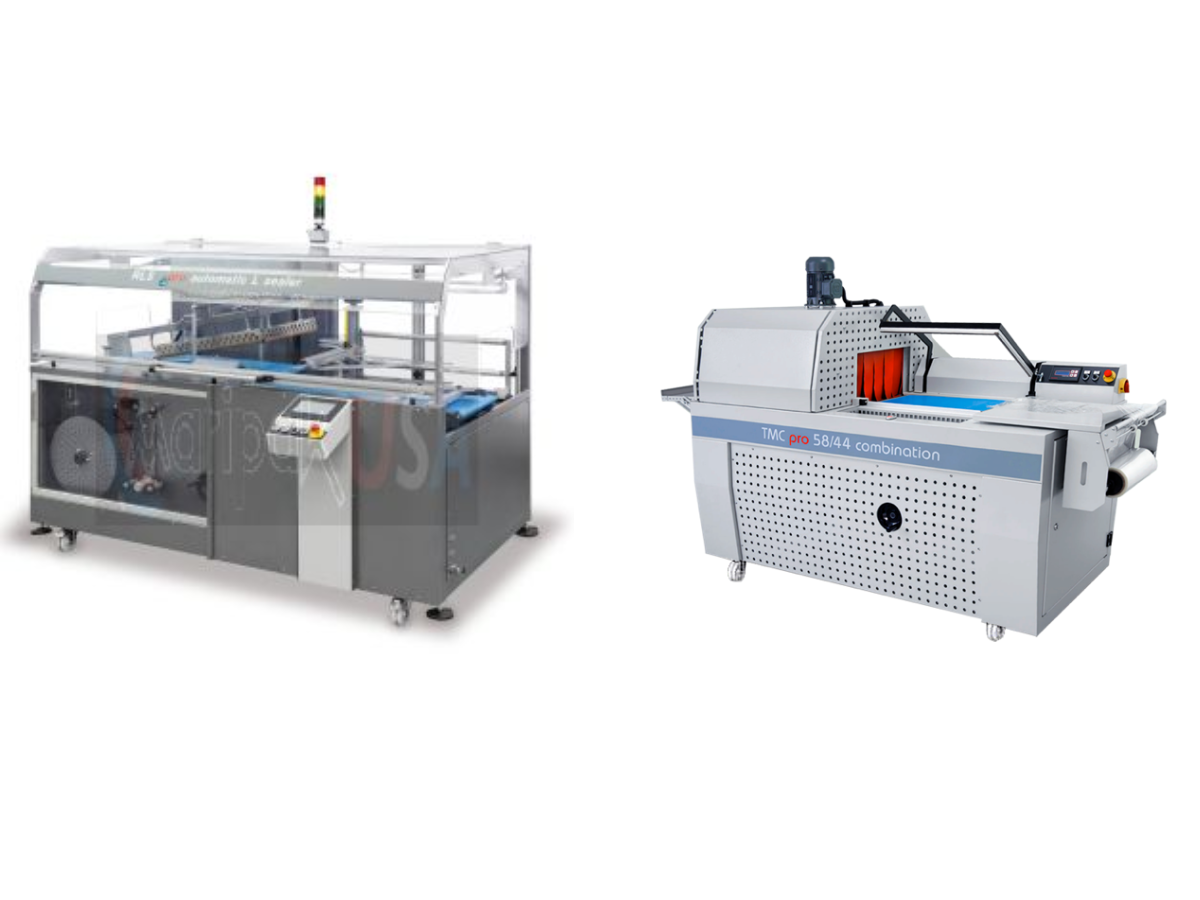
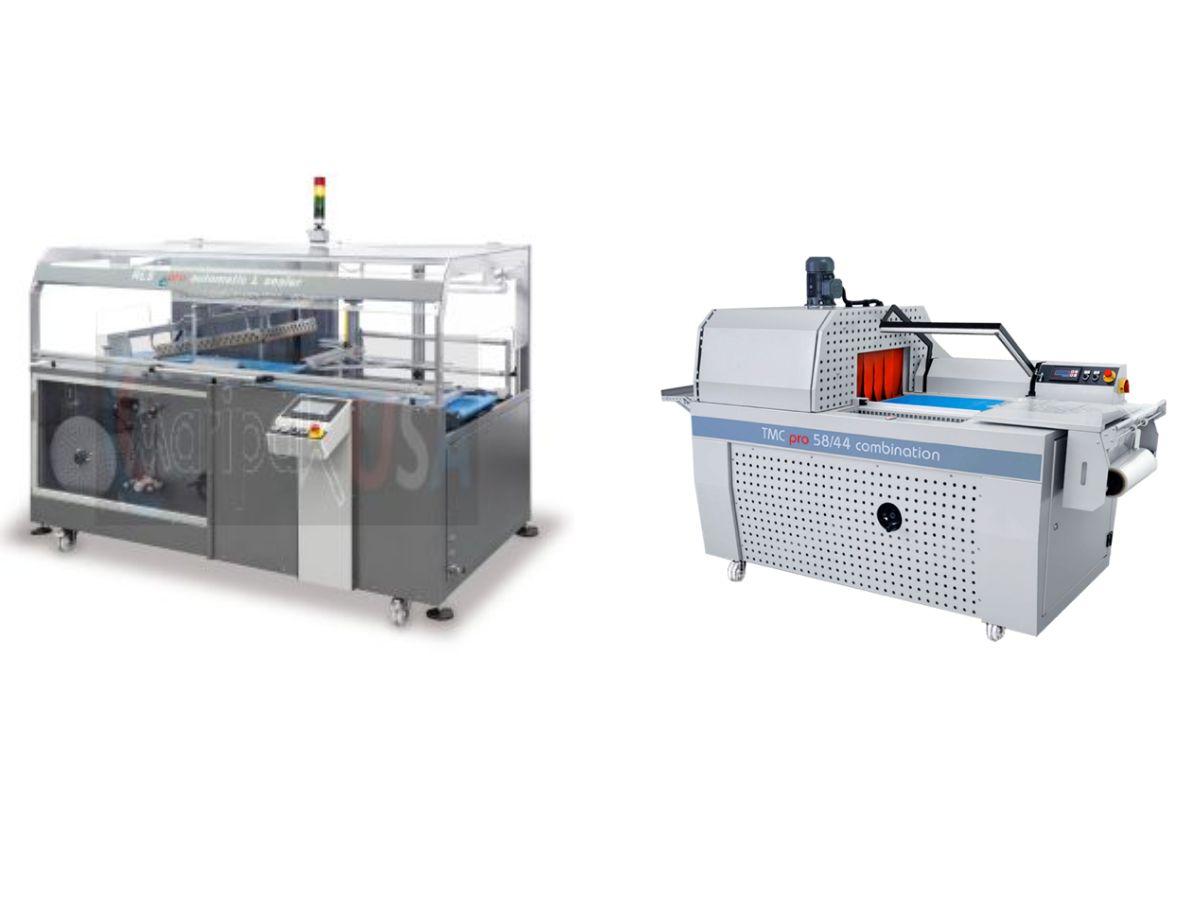
At its core, a shrink machine system performs two functions: it wraps a product in heat-shrinkable film and seals it to form a loose package, then applies controlled heat to activate the film's shrink properties and produce a tight, finished wrap. These two functions may be performed by separate pieces of equipment — a sealer and a shrink tunnel — or by a combined unit designed for lower-volume or space-constrained operations.
The quality of both functions is equally important. A sealer that produces inconsistent seals undermines the whole package, regardless of tunnel quality. A tunnel that is incorrectly set for the film specification produces poor shrink results regardless of how well the package was sealed. The system works as an integrated whole — and should be specified and evaluated as one.
The Main Equipment Categories
The shrink machine market divides into several distinct categories based on automation level and sealing configuration:
Manual L-bar sealer: Operator-loaded and manually actuated — suited to very low volume or occasional wrapping needs; lowest entry cost
Semi-automatic L sealer: Mechanically or pneumatically actuated seal bar with manual product loading — the standard for mid-volume retail, food service, and light industrial packaging
Automatic side sealer: Continuously running machine with automated product infeed and film wrapping — suited to medium and high-volume production lines
Sleeve wrapper: Forms a film sleeve around grouped products — used in beverage multipacking, tray wrapping, and industrial bundling
Flow wrapper: Horizontal form-fill-seal at the highest throughput — used in food manufacturing and consumer goods production lines
Matching Machine to Application
Selecting the right shrink machine begins with defining the application clearly — product dimensions and weight range, required throughput in packs per minute, film type and gauge, available floor space, and integration requirements with adjacent line equipment. A machine that matches the application on all parameters will consistently outperform a higher-specification machine that was incorrectly matched — because throughput, film compatibility, and format flexibility all need to be right for the equipment to perform as intended.
Operations with a wide product range should pay particular attention to the machine's size change capability and format flexibility — the speed and ease of switching between product formats directly affects overall line utilisation in mixed-product operations. A supplier who can demonstrate the machine running a format change during the sales process — showing actual changeover time and the setup steps required — gives buyers far more reliable information than published changeover time claims alone.
Film Type and Machine Compatibility
The film used in any shrink machine system must be compatible with the machine's seal bar temperature range and the tunnel's heat output. Polyolefin (POF) is the most versatile retail film — food-contact compliant, excellent clarity, and suitable for the widest range of machine types. PVC is lower cost but not food-contact compliant. Polyethylene is used for industrial bundling applications where strength takes priority. Confirming film compatibility before purchase eliminates a common and costly post-installation discovery. Requesting a live trial with the actual film and product before committing to purchase is the most reliable way to confirm compatibility and establish approved operating parameters.
Final Words
Investing in the right shrink packaging solution returns dividends in every package produced. Operations ready to specify their next system should contact Maripak USA — a packaging equipment specialist with the product range, application expertise, and customer support to guide buyers from specification through to productive, long-term operation.
Comments
Post a Comment