How Shrink Packaging Systems Improve Product Protection?

Packaging plays a crucial role in protecting products, enhancing presentation, and ensuring safe delivery across supply chains. From retail shelves to industrial logistics, modern packaging methods have evolved to meet growing demands for efficiency and sustainability. In this landscape, shrink packaging systems have emerged as one of the most reliable and widely used solutions across industries.
These systems use heat-sensitive plastic films that shrink tightly around products when exposed to controlled heat, creating a secure and tamper-evident seal. This method not only improves product safety but also enhances visual appeal, making it a preferred choice for manufacturers and distributors worldwide.
What Are Shrink Packaging Systems?
Shrink packaging systems are specialized setups designed to wrap products using shrink film and apply heat to create a tight, protective covering. The process typically involves placing a product inside a plastic film, sealing it, and then applying heat to shrink the film around it.
These systems generally consist of two main components:
A sealing unit that encloses the product in film
A heat tunnel or heating mechanism that shrinks the film uniformly
This combination ensures consistent packaging quality, making the process efficient for both small-scale and large-scale operations.
How Shrink Packaging Works?
The working process of shrink packaging is straightforward yet highly effective. Products are first placed inside a shrink film, usually made from materials like polyolefin, polyethylene, or PVC. Once sealed, the package is passed through a heat source where the film contracts tightly around the item.
The heat causes the film to shrink evenly, forming a snug fit that protects against dust, moisture, and physical damage. This method also creates tamper-evident packaging, which is particularly important for food and consumer goods.
Types of Shrink Packaging Systems
Different industries require different types of systems based on production volume and product characteristics. The most common types include:
Chamber Machines
These machines enclose the product in a chamber where heat is applied evenly. They are ideal for small to medium production runs and irregularly shaped items.
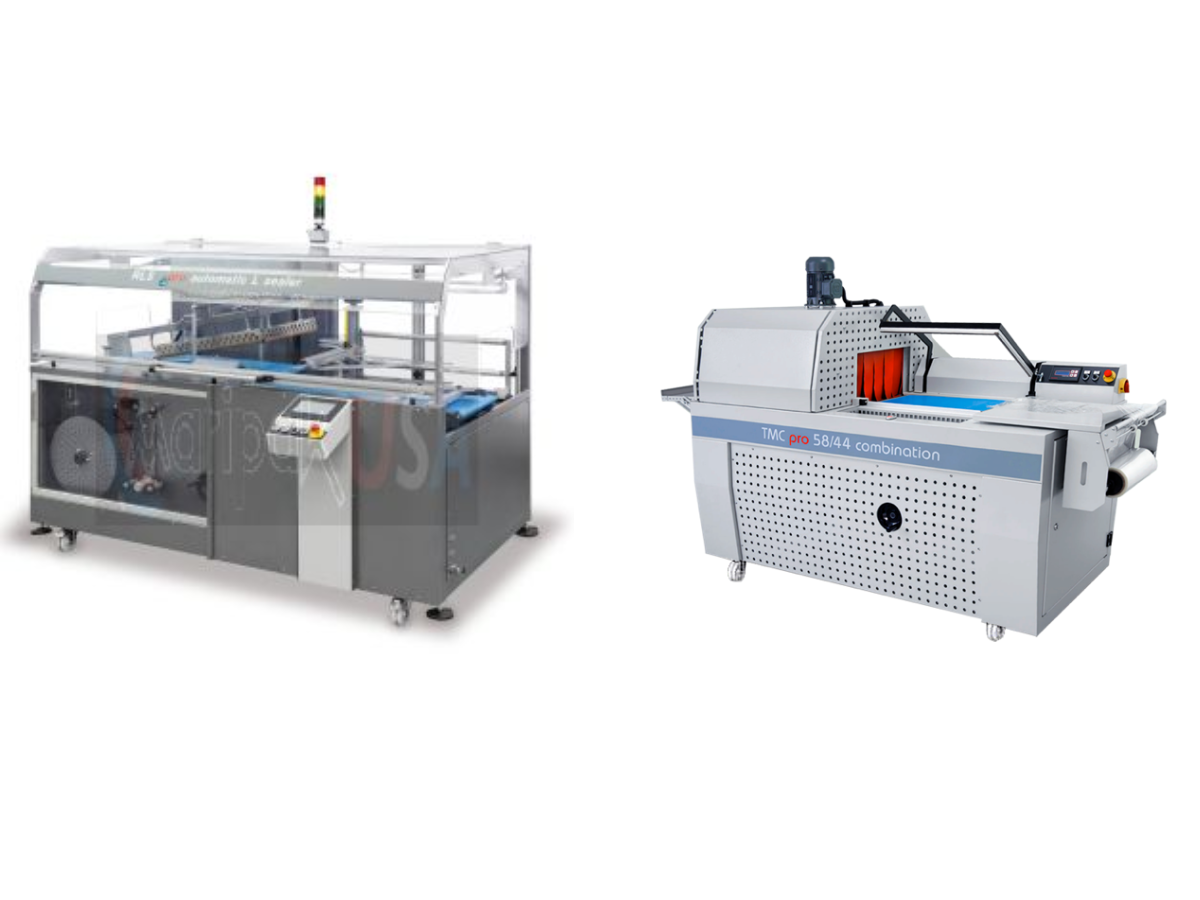
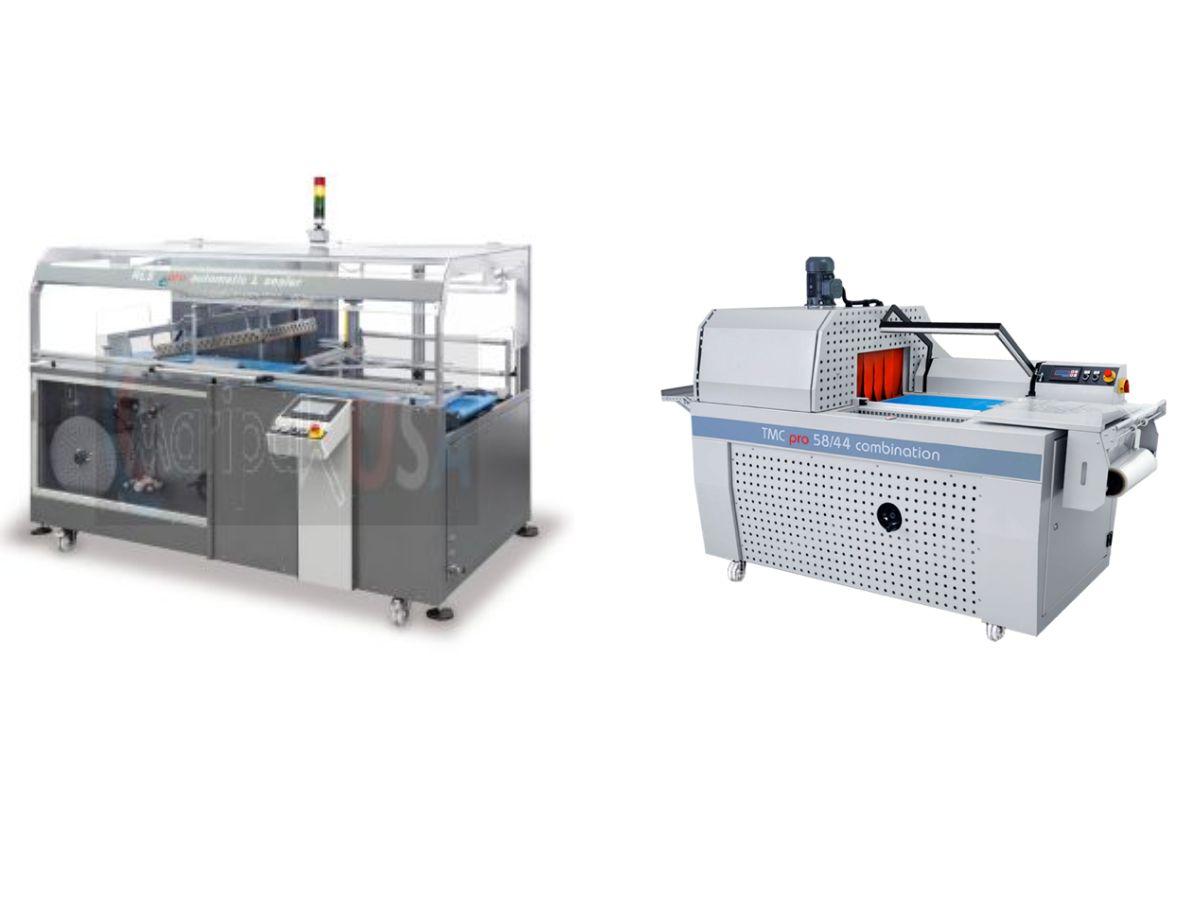
L-Bar Sealers
L-bar sealers cut and seal the film before sending the package through a heat tunnel. They offer flexibility and are widely used in semi-automatic packaging setups.
Automatic Continuous Systems
Designed for high-speed production, these systems operate continuously and are suitable for large-scale manufacturing environments. They provide consistent results and higher efficiency.
Benefits of Shrink Packaging Systems
Enhanced Product Protection
Shrink packaging creates a tight seal around products, protecting them from external elements like dust, moisture, and minor impacts. This helps maintain product quality during storage and transportation.
Improved Product Presentation
The transparent film used in shrink packaging allows customers to clearly see the product, enhancing its visual appeal. Polyolefin films, in particular, offer excellent clarity and gloss.
Cost Efficiency
Shrink packaging systems use minimal material while providing maximum protection. This reduces packaging costs and minimizes waste, making it a cost-effective solution for businesses.
Versatility Across Industries
These systems are used in various sectors, including food, beverages, pharmaceuticals, electronics, and retail. Their ability to package different shapes and sizes makes them highly adaptable.
Tamper Evidence and Security
Shrink-wrapped products provide clear signs of tampering, which is essential for maintaining consumer trust and product safety.
Role of Advanced Materials in Shrink Packaging
Modern shrink packaging relies heavily on advanced materials like polyolefin films. These films are known for their strength, flexibility, and environmental advantages.
Polyolefin shrink film is widely used because it shrinks uniformly, provides strong seals, and is suitable for both food and non-food packaging.
Additionally, it is recyclable in many regions and does not release harmful gases during processing, making it a safer and more sustainable option compared to older materials like PVC.
Applications of Shrink Packaging Systems
Shrink packaging systems are used in a wide range of applications, including:
Food packaging (snacks, beverages, frozen items)
Retail products (books, cosmetics, electronics)
Industrial goods and components
Multipack bundling for logistics
Their ability to securely bundle multiple items also makes them ideal for promotional packaging and bulk shipping.
Conclusion
Shrink packaging has become an essential part of modern packaging due to its efficiency, versatility, and ability to protect products effectively. The POF shrink film machine plays a vital role in ensuring precise heat control and consistent packaging quality, making it an important component in advanced packaging setups. As industries continue to evolve, these systems will remain a key solution for secure and visually appealing packaging.
Comments
Post a Comment