How Shrink Film Machines Improve Packaging

Packaging needs to protect products, improve presentation, and support efficient handling during storage or shipping. Many industries use shrink wrapping because it creates a secure, tight, and professional-looking package around single items or grouped products. For businesses comparing shrink film machines, understanding how they work and where they fit in a packaging line can help with better equipment decisions.
What Are Shrink Film Machines?
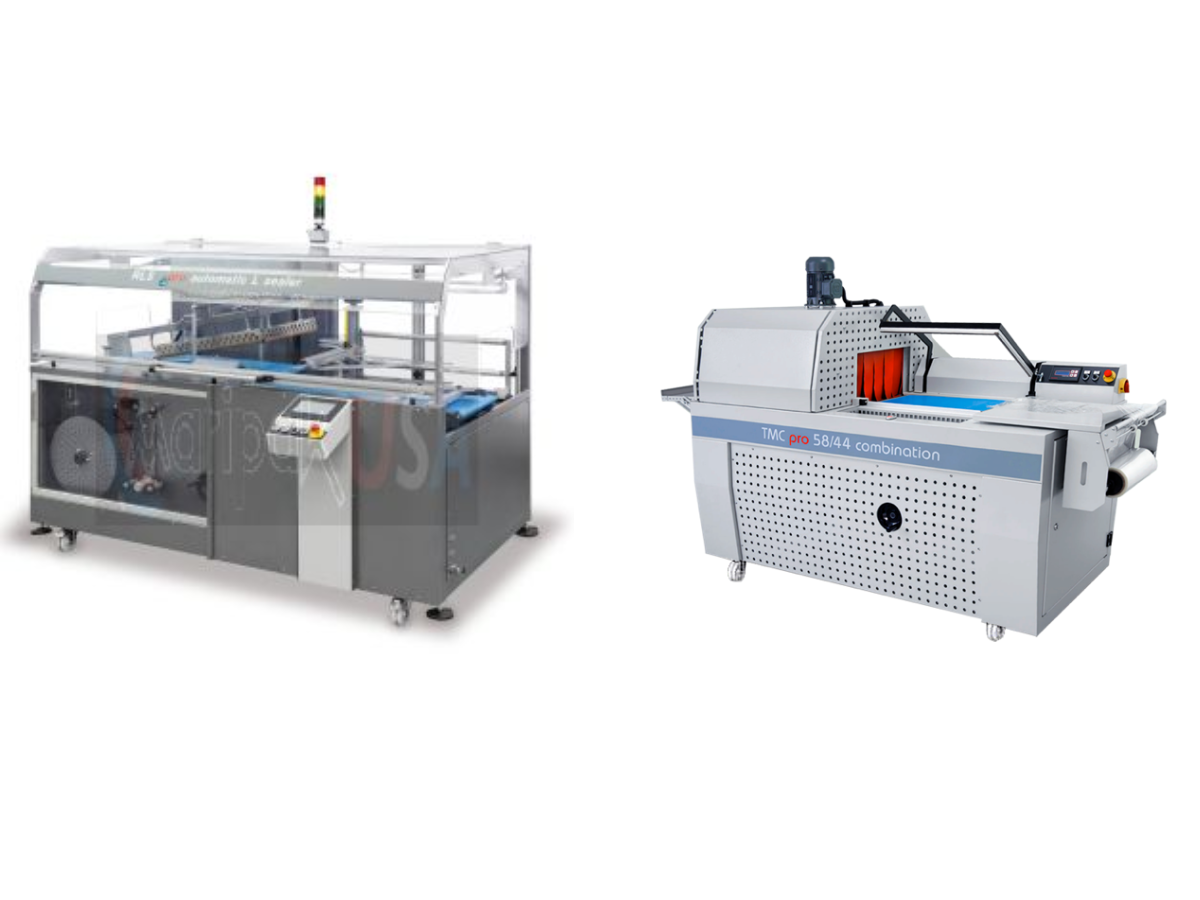
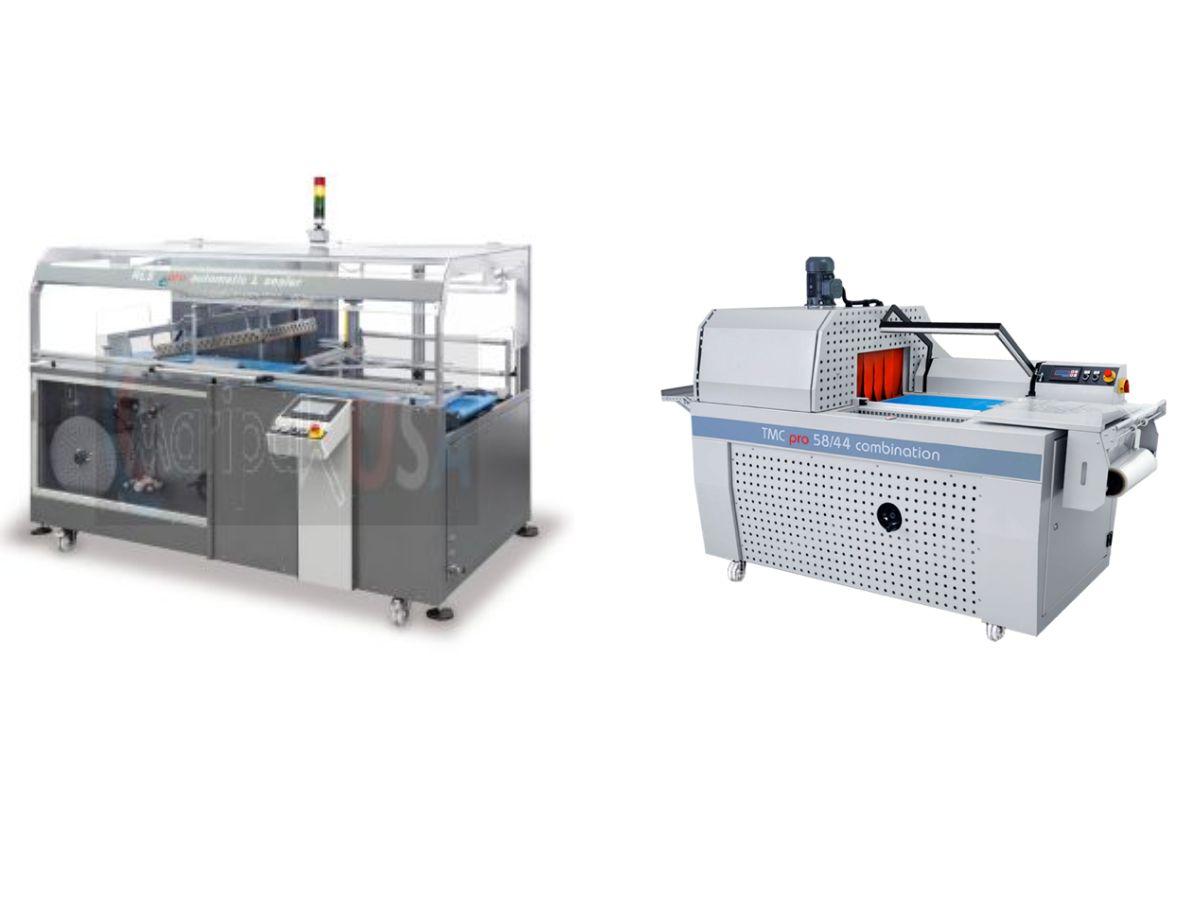
Shrink film machines are packaging systems that wrap products in plastic shrink film and then apply heat so the film tightens around the item. The result is a sealed package that can help protect against dust, moisture, handling damage, and tampering. This method is widely used for retail, food, beverage, cosmetics, pharmaceutical, printing, and e-commerce products.
Shrink wrapping works by placing an item inside a loose sleeve or folded layer of shrink film, sealing the film, and using heat to shrink it around the product’s shape. This creates a durable and tamper-evident package that can improve both protection and appearance.
Main Types of Machines
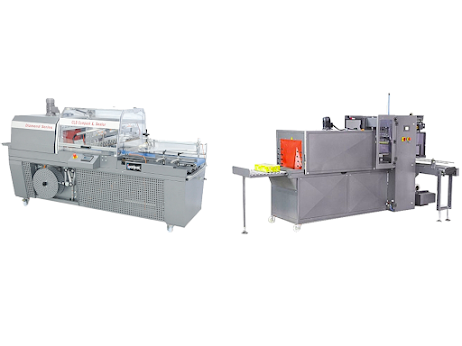
There are three common categories of shrink wrapping equipment: manual, semi-automatic, and fully automatic. Manual machines are suited for low-volume packaging where operators handle most steps by hand. Semi-automatic machines automate parts of the process while still requiring manual loading or positioning.
Fully automatic systems are designed for higher-volume production because they handle more of the process with minimal operator involvement. Industry guides explain that manual systems are best for low volumes, semi-automatic systems suit medium-scale operations, and fully automatic machines provide maximum speed for large-scale packaging needs. Choosing the right type of shrink film machines depends on production volume, labour availability, product size, and budget.
Why Businesses Use Shrink Wrapping
Shrink wrapping is popular because it is versatile and cost-effective. It can be used for individual products, multipacks, printed materials, bottles, cartons, trays, and irregularly shaped items. The clear film also allows customers to see the product while keeping it protected.
Shrink film packaging can protect items from moisture, dust, and rough handling during transport and storage. It can also improve shelf presentation, reduce packaging waste, help identify tampering, and make products easier to stack or bundle. These benefits make shrink wrapping useful for both retail display and logistics.
Common Industry Applications
Different industries use shrink wrapping for different reasons. Food and beverage businesses may use it to bundle bottles, protect packaged foods, or create multipacks. Pharmaceutical and personal care companies may use it for tamper-evident packaging and clean presentation.
Retailers use shrink wrapping for books, electronics, toys, cosmetics, gift items, and household products. Packaging guides list applications across food and beverage, pharmaceuticals, cosmetics, and retail, where shrink wrap supports protection, hygiene, presentation, and tamper resistance. Because of this flexibility, shrink film machines can be useful in both small operations and larger production facilities.
Features to Consider
Before selecting a machine, businesses should evaluate sealing quality, heat control, film compatibility, product size range, and ease of operation. Adjustable heat settings are important because different films and products need different temperatures. Poor heat control can lead to weak seals, wrinkles, film burns, or product damage.
A good shrink wrapping machine should provide consistent sealing, durable construction, user-friendly controls, safety features, and enough speed for the required output. Safety features such as emergency stops, guards, and automatic shut-off functions can also help protect operators. Energy efficiency is another useful factor because heat-based equipment can affect operating costs.
Maintenance and Operation
Regular maintenance helps keep packaging quality consistent. Operators should inspect sealing wires, belts, rollers, temperature controls, film holders, and tunnel airflow. Dirt, film residue, or worn parts can cause uneven sealing or poor shrink results.
Training is also important. Operators should know how to load film, adjust temperature, set conveyor speed, position products, and respond to machine alarms. With correct setup and maintenance, shrink film machines can support reliable packaging output and reduce avoidable downtime.
Conclusion
Shrink wrapping is a practical packaging method for businesses that need product protection, clean presentation, and efficient handling. When paired with a suitable belt conveyor, shrink wrapping equipment can help create a smoother, more consistent packaging process from sealing to finished product handling. The right machine depends on production volume, product size, film type, sealing needs, and workflow design.
Comments
Post a Comment