Shrink Packaging Tips to Boost Efficiency & Reduce Waste

Shrink wrap packaging is a vital solution for businesses looking to protect products, streamline logistics, and reduce material waste. With advancements in machinery and film technology, efficient shrink wrap packaging can save time, cut costs, and improve sustainability. Implementing best practices ensures that businesses maximize productivity while minimizing environmental impact.
Optimize Your Film Selection
Choosing the right shrink wrap film is critical to reducing waste and improving efficiency. Films vary in thickness, material, and shrink ratio. Polyolefin films are versatile, provide excellent clarity, and shrink uniformly, while PVC films are ideal for low-temperature applications. Selecting the correct film for your product not only reduces excess material usage but also ensures better sealing and durability, minimizing damage and returns.
Maintain Your Shrink Equipment
Proper maintenance of shrink wrap machines is essential for operational efficiency. Regular inspection of sealing elements, rollers, and heat tunnels ensures consistent packaging quality. Maripak USA emphasizes preventative maintenance, which prevents downtime and costly repairs. Clean and calibrated machines also reduce the risk of film jams and uneven shrinking, which are common sources of material waste.
Implement Automated Systems
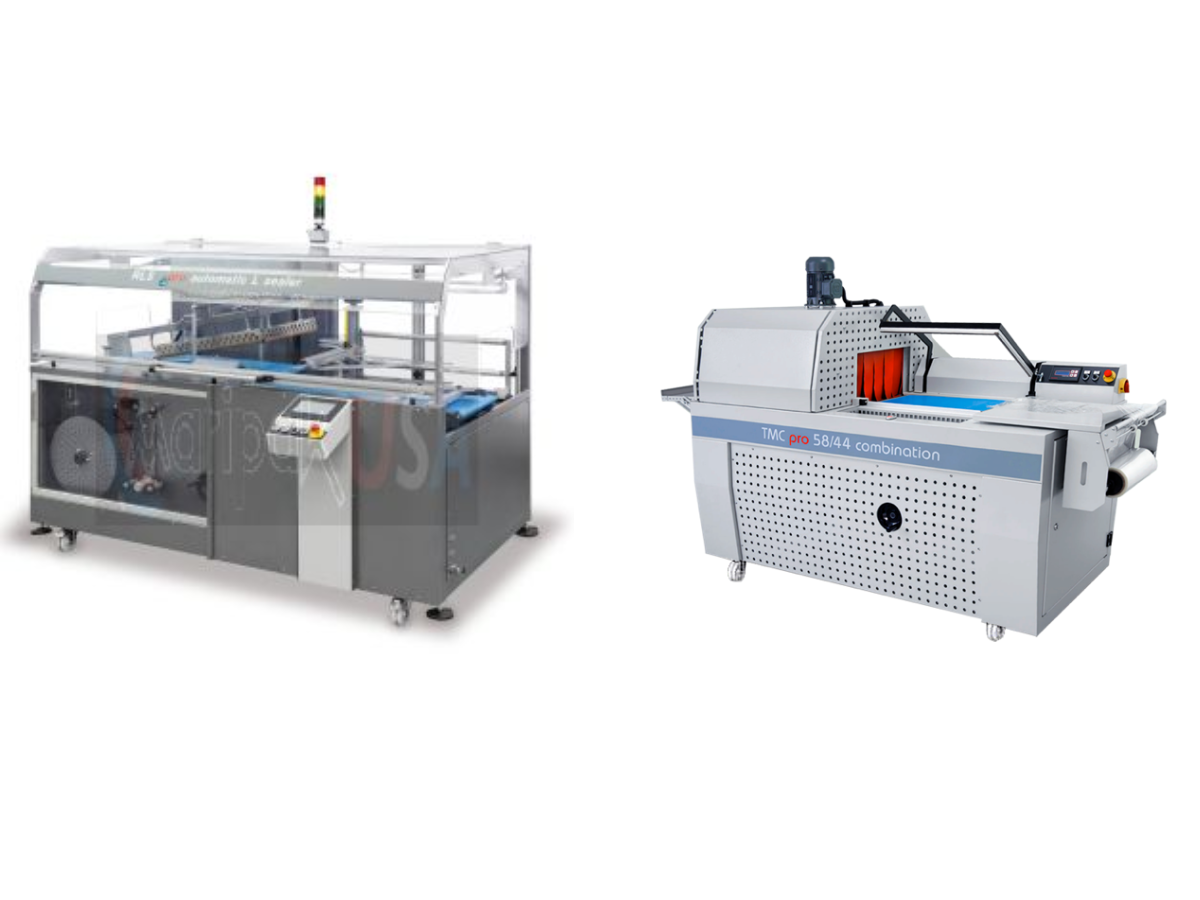
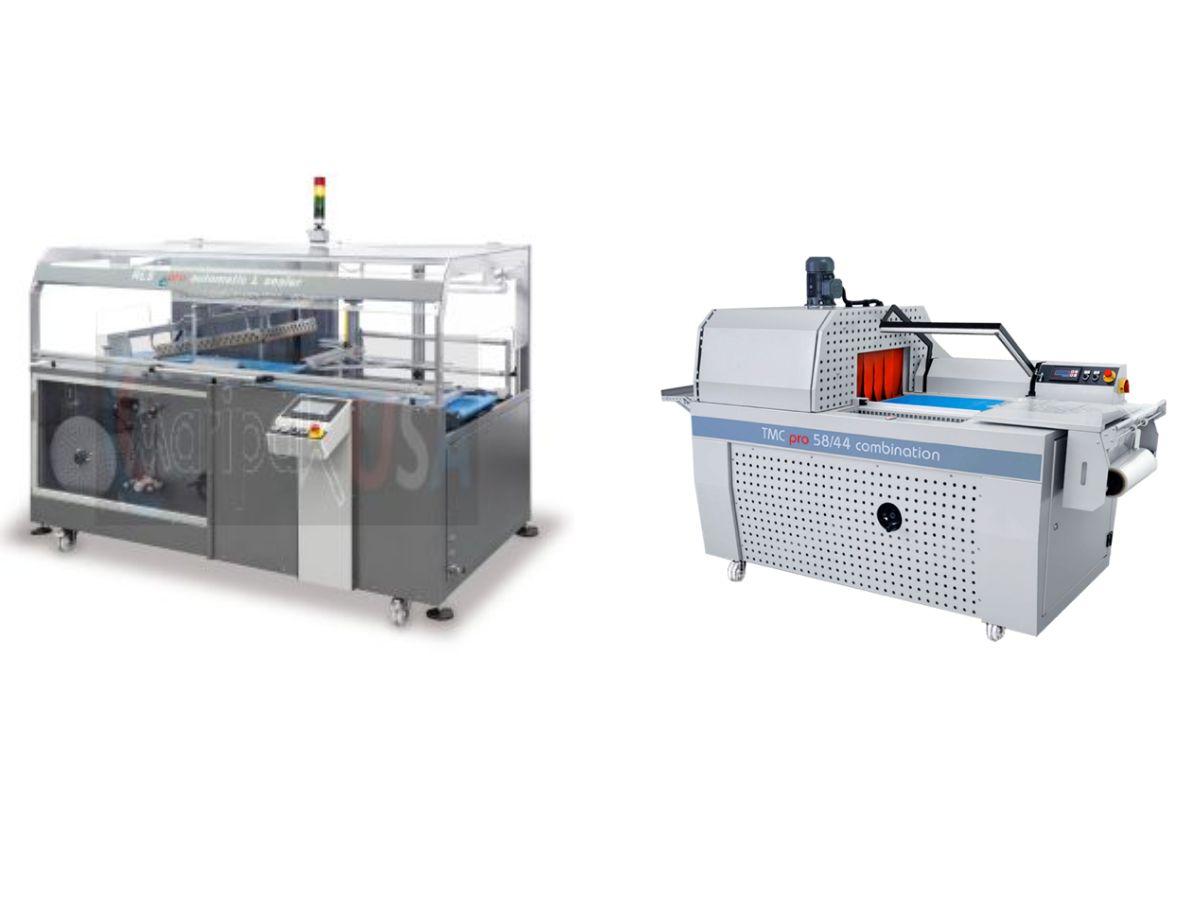
Automation improves consistency and speed in shrink packaging operations. L-sealers, side sealers, and continuous-motion systems reduce manual handling, which lowers the risk of human error and film waste. Automated heat-shrink tunnels provide uniform heat distribution, ensuring that every package shrinks properly without excessive energy use or film waste. Investing in automation may seem costly initially, but it significantly boosts throughput and efficiency in the long term.
Train Staff for Best Practices
Even the most advanced shrink wrap packaging systems require trained operators. Employees should understand optimal film tension, sealing speed, and proper product placement. Maripak USA provides installation, setup, and training services to ensure operators can run equipment efficiently. Skilled operators minimize errors, reduce rejects, and maximize material utilization, directly impacting both waste reduction and cost savings.
Monitor Packaging Waste
Tracking and analyzing packaging waste allows businesses to identify inefficiencies. By measuring film usage per batch and monitoring scrap rates, companies can adjust machine settings, change films, or modify product arrangements to minimize excess. Using clear metrics ensures that waste-reduction strategies are targeted and effective, promoting sustainability alongside operational efficiency.
Optimize Package Size and Layout
Right-sizing packages is a highly effective strategy to minimize shrink wrap waste and improve operational efficiency. Shrink wrap should conform closely to the product, eliminating unnecessary excess film that increases material costs and energy consumption in heat tunnels. Properly sized packages also enhance stacking, palletization, and warehouse storage, allowing more products per shipment and reducing transportation costs. Additionally, optimized layouts help maintain package integrity during transit, decreasing the risk of damage and returns.
Regularly Upgrade Equipment
Technological advancements in shrink wrap packaging machines can significantly improve efficiency. Modern machines offer servo-driven sealers, variable-speed conveyors, and energy-efficient heat tunnels. Maripak USA’s range of shrink-wrapping solutions incorporates these features, enabling higher throughput and consistent package quality while reducing material consumption.
Use Eco-Friendly and Recyclable Films
Switching to recyclable or biodegradable shrink wrap films can further reduce environmental impact without compromising packaging quality. Many modern polyolefin films are designed to be both strong and eco-friendly, helping businesses lower their carbon footprint. Choosing sustainable films aligns with corporate responsibility goals while maintaining efficient, high-quality shrink packaging.
Conclusion
Efficient shrink wrap packaging not only protects products but also reduces material waste and operational costs. By selecting the right film, maintaining machines, training staff, and implementing automated systems, businesses can achieve sustainable packaging practices. For companies looking to scale and optimize their packaging process, integrating a shrink bundler into their production line ensures reliable, efficient, and eco-friendly shrink packaging. Investing in high-quality shrink-wrap machinery maximizes productivity, supports sustainability goals, and safeguards your products against damage during shipping and storage.
Comments
Post a Comment