Guide to Choosing Shrink Wrap Materials and Films

Choosing the right materials and films is a critical step in effective shrink wrap packaging. The type of shrink film you select affects everything from product protection and presentation to cost efficiency and environmental impact. Shrink films are plastic films that shrink tightly around products when heated, providing a secure, tamper‑resistant layer of packaging.
Understanding the Main Shrink Film Types
Choosing the right shrink wrap depends on your product's weight, clarity needs, and safety requirements. The three industry standards include:
Polyolefin (POF): The modern, versatile choice. It is prized for its high clarity, puncture resistance, and FDA approval for direct food contact. Its ability to create strong, consistent seals makes it ideal for high-speed retail packaging.
Polyethylene (PE): The heavy-duty industrial leader. It comes in various densities—LDPE for flexibility, HDPE for maximum durability, and LLDPE—to provide tailored strength and protection for bulkier or heavier loads.
Polyvinyl Chloride (PVC): The traditional, budget-friendly option. While it offers excellent clarity and shrinks at low temperatures, it is increasingly being replaced in modern facilities due to the release of harmful fumes and its environmental impact.
Film Thickness and Gauge
The thickness of shrink film plays a significant role in its performance. Films are measured in microns or mils, and this gauge determines how much protection the film provides: thinner films are more economical and easier to shrink but may tear more easily, whereas thicker films offer better resistance to punctures, tears, and environmental stresses.
Selecting the right thickness depends on the product’s size, weight, and fragility. For example, heavy or sharp‑edged items need a thicker film to withstand shipping and handling, while lighter products benefit from thinner, more cost‑effective options.
Shrink Ratio and Performance
Another crucial factor is the shrink ratio, which measures how much the film contracts when heated. Films with a high shrinkage ratio (typically around 70–80%) conform closely to irregular shapes, creating a snug, secure wrap ideal for oddly shaped items. In contrast, films with lower shrinkage ratios are better suited to products with uniform shapes.
Environmental Conditions and Resistance
When selecting films for shrink-wrap packaging, consider the environmental conditions the packaged items will be exposed to. Certain films offer enhanced resistance to moisture, UV light, and temperature fluctuations, which is essential when packaging products for outdoor storage or transport in variable climates. UV‑resistant shrink films help prevent degradation and discoloration caused by sunlight, while moisture‑resistant films protect against humidity and water damage.
Aesthetic and Branding Considerations
Shrink films are available in clear, colored, and printed formats, which allows businesses to tailor packaging to their branding and presentation goals. Clear films maximize product visibility and are ideal for retail shelves, while colored or printed films can reinforce brand identity and attract customer attention.
Equipment Compatibility
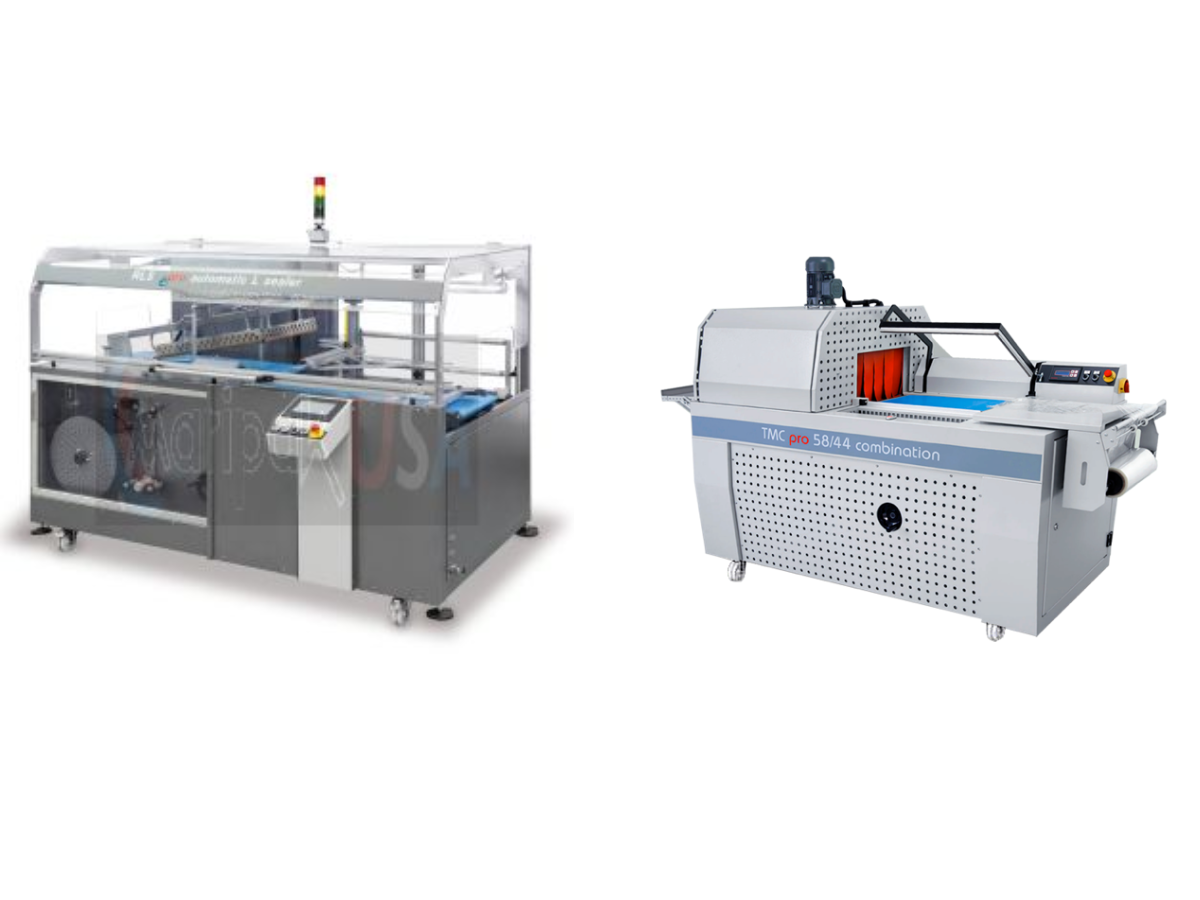
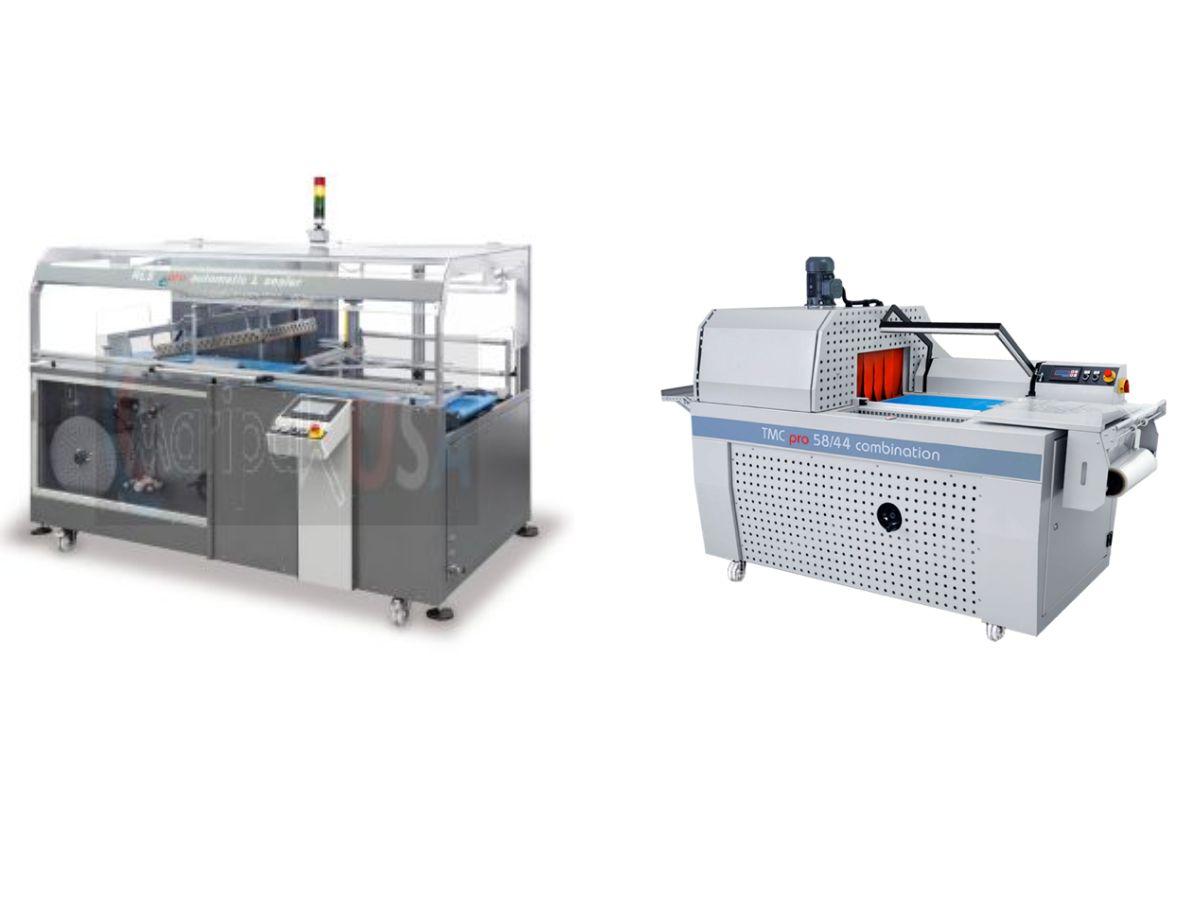
Match your film choice with the shrink equipment you use. Some films require specific activation temperatures or sealing systems, such as heat guns, shrink tunnels, or automated machines, to achieve optimal results. Ensuring compatibility between your film and machinery enhances efficiency and packaging quality.
Sustainability and Recycling
Environmental impact is increasingly important in packaging decisions. Polyolefins and certain polyethylene films are more easily recyclable than PVC, and biodegradable options such as PLA shrink films are emerging for businesses focused on sustainability. Choosing recyclable or eco‑friendly shrink films can improve a company’s environmental footprint and appeal to eco‑conscious consumers.
Conclusion
Selecting the right shrink wrap materials and films is essential to effective, efficient, and durable packaging. Consider your product’s size, strength requirements, environmental exposure, and aesthetic goals when choosing between POF, PE, and PVC films, and ensure your equipment supports the film type you select. Making informed choices ensures better protection, presentation, and performance. For businesses aiming to streamline operations and enhance packaging precision, investing in an automatic side-sealing machine can further optimize the shrink-wrap process.
Comments
Post a Comment