Shrink Bundler Systems and the Future of Low-Waste Packaging

Packaging is undergoing a fundamental shift as manufacturers respond to sustainability targets, regulatory pressure, and rising material costs. Businesses are no longer focused only on protection and presentation but also on minimizing waste across the entire supply chain. Modern automation has become central to this change, with shrink bundler systems emerging as a reliable solution for efficient secondary packaging. By reducing excess materials while maintaining load stability, a shrink bundler helps brands align operational performance with environmental responsibility. As industries ranging from food to consumer goods rethink packaging strategies, understanding how these systems contribute to low-waste goals is essential for long-term competitiveness and compliance.
The Role of Shrink Bundler Systems in Sustainable Packaging
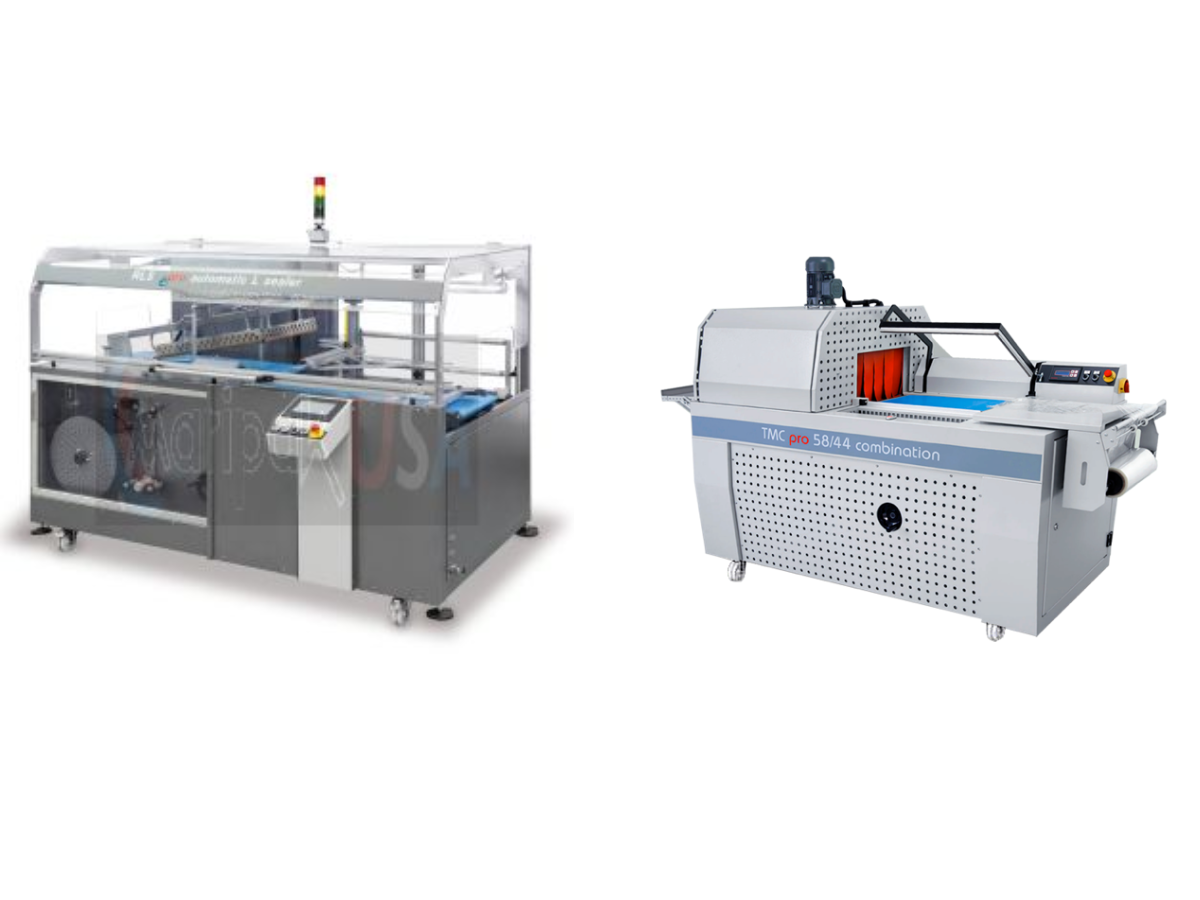
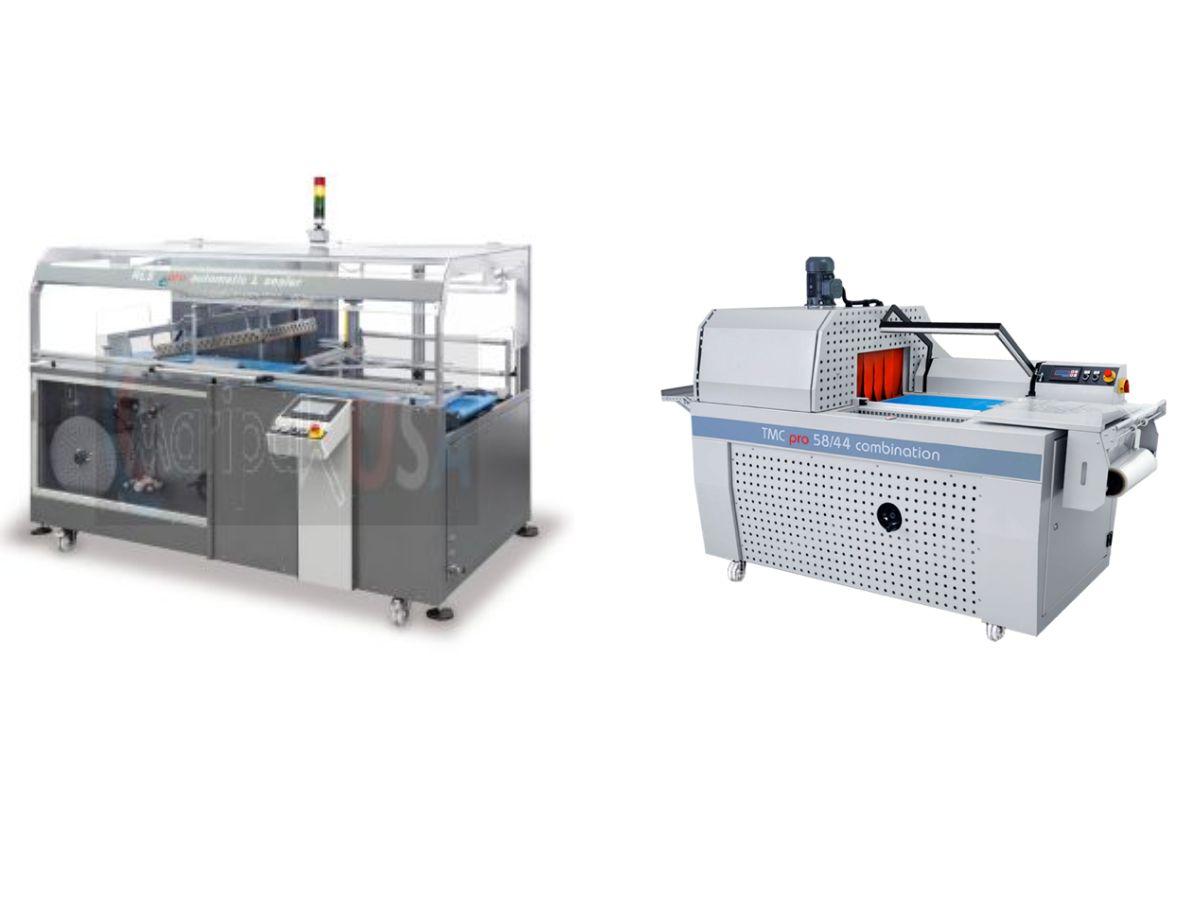
Shrink bundler systems are designed to group products using tightly controlled film application, reducing the need for bulky cartons or trays. This precise approach limits material usage while still providing strong unitization for transport and storage. When a shrink bundler is correctly configured, it applies only the amount of film necessary to secure products, minimizing offcuts and excess waste. Compared to traditional packaging methods, these systems significantly reduce overall packaging volume, which also lowers transportation emissions. Their ability to handle multiple pack configurations further supports sustainable operations by reducing the need for multiple packaging formats.
Material Efficiency and Waste Reduction Benefits
One of the most important advantages of shrink bundler systems is their contribution to material efficiency. Modern films are thinner, stronger, and engineered for optimal shrink performance, allowing manufacturers to achieve secure packaging with less plastic. Integrating a shrink bundler into production lines enables consistent film tension and controlled heat application, preventing overuse and film damage. This efficiency translates into reduced scrap rates and lower raw material consumption. Over time, these savings not only support sustainability goals but also improve cost control, making low-waste packaging a financially sound decision.
Automation, Precision, and Operational Optimization
Automation plays a crucial role in achieving low-waste packaging outcomes. Advanced shrink bundler systems are equipped with sensors, programmable controls, and adaptive sealing mechanisms that respond to product dimensions in real time. A well-calibrated shrink bundler ensures repeatable accuracy, reducing human error that often leads to material waste. Automated changeovers and consistent performance also minimize downtime and rejected packages. As production volumes increase, this level of precision becomes essential for maintaining sustainability standards without sacrificing speed or output quality.
Adapting to Evolving Environmental Regulations
Environmental regulations around packaging waste and recyclability are becoming stricter worldwide. Shrink bundler systems help manufacturers stay compliant by supporting the use of recyclable and downgauged films. With a flexible shrink bundler, businesses can adapt to new material specifications without overhauling their entire packaging line. This adaptability reduces the risk of obsolete equipment and unnecessary waste during regulatory transitions. As compliance becomes a competitive requirement rather than an option, investing in adaptable bundling technology offers long-term operational security.
Future Innovations Driving Low-Waste Packaging
The future of shrink bundler systems lies in smarter integration and material innovation. Emerging technologies focus on energy-efficient heating, intelligent film tracking, and compatibility with biodegradable or mono-material films. These advancements allow a shrink bundler to deliver even greater waste reduction while maintaining packaging integrity. As data-driven manufacturing expands, predictive maintenance and performance analytics will further optimize material usage. These innovations signal a future where packaging lines are not only efficient but also actively contribute to circular economy objectives.
Conclusion
Low-waste packaging is no longer a niche initiative but a core operational priority for modern manufacturers. Shrink bundler systems offer a practical path toward reducing material consumption, improving efficiency, and meeting sustainability goals without compromising productivity. As packaging strategies evolve, the strategic use of heat-shrink wrapping machines enables businesses to balance environmental responsibility with operational performance. By investing in advanced systems today, manufacturers position themselves to meet future demands while building resilient, waste-conscious packaging operations.
Comments
Post a Comment