How to Adjust Temperature Settings on a Shrinker Machine

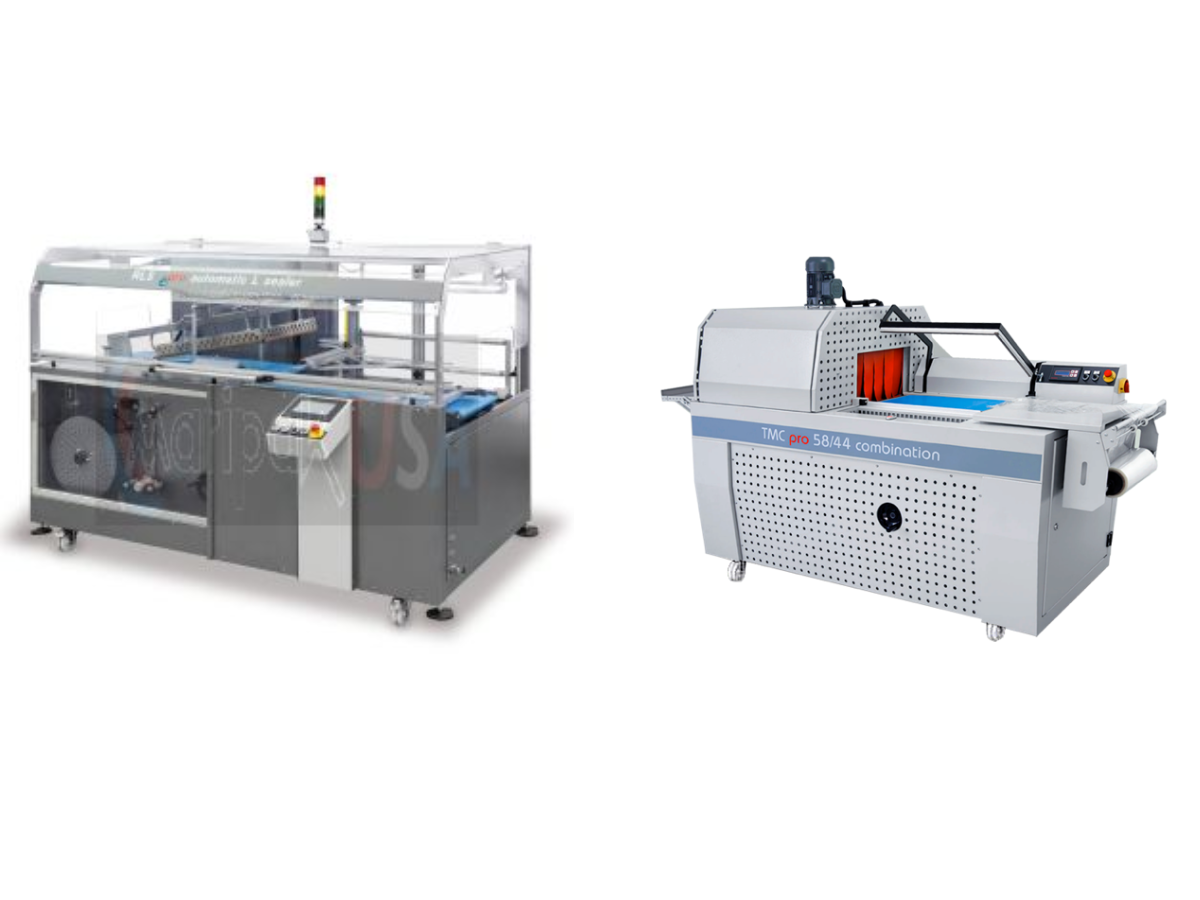
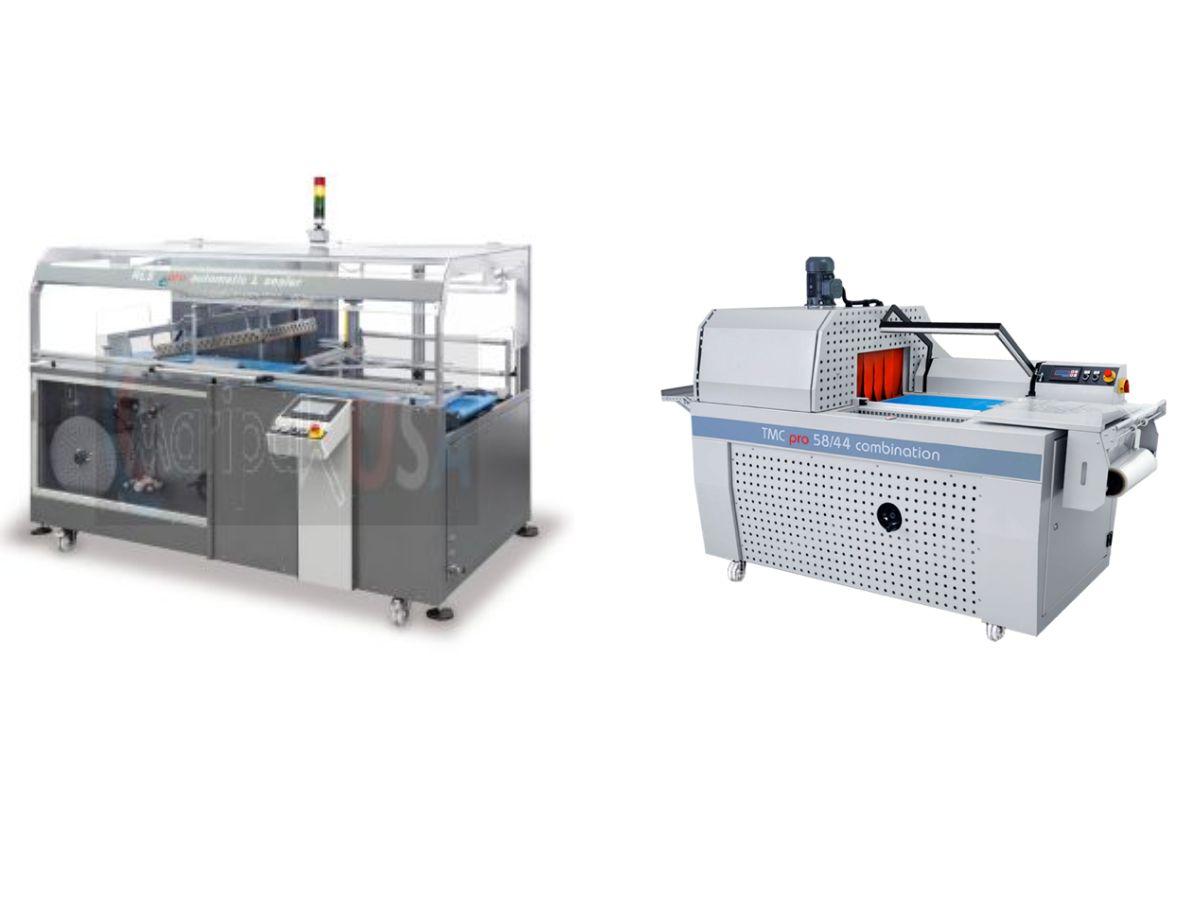
Correct temperature control is one of the most important factors in achieving consistent, professional shrink packaging results. If temperatures are too high, film can burn or distort. If too low, the wrap may appear loose or incomplete. In the middle of daily packaging operations, a shrinker machine must be carefully adjusted to match the film type, product size, and production speed. Understanding how to fine-tune temperature settings helps improve package quality, reduce waste, and protect equipment.
Understanding How Heat Affects Shrink Film
The Role of Heat in Shrinking
Shrink film is designed to contract when exposed to heat. The amount of heat required depends on the film’s composition and thickness. Proper temperature allows the film to shrink evenly around the product without damaging it or weakening the seal.
Consequences of Incorrect Temperature
Excessive heat can cause holes, wrinkles, or uneven shrink patterns. Insufficient heat often results in loose film and poor presentation. Both issues increase rework and material waste, making temperature adjustment a critical skill for operators.
Identifying the Right Temperature Range
Film Manufacturer Guidelines
Most shrink films include recommended temperature ranges. These guidelines provide a starting point for setup. Always review film specifications before making adjustments to avoid unnecessary trial and error.
Product Size and Shape Considerations
Larger or irregularly shaped products may require slightly higher temperatures or longer heat exposure. Smaller or lightweight items typically need lower settings to prevent distortion or overheating.
Step-by-Step Temperature Adjustment Process
Start With a Test Package
Begin by setting the shrink tunnel temperature within the recommended range. Run a test package and observe how the film reacts. Look for tightness, clarity, and uniform shrink.
Make Incremental Adjustments
Adjust the temperature in small increments rather than large changes. Gradual tuning helps pinpoint the ideal setting without damaging film or products. After each adjustment, run another test to evaluate results.
In the middle of routine setup, operators often refine settings on the shrinker machine to accommodate changes in film rolls or product variations. This practice ensures consistent performance throughout the production shift.
Balancing Temperature With Conveyor Speed
Heat and Time Relationship
Temperature and conveyor speed work together. Higher speeds reduce heat exposure time, while slower speeds increase it. Adjusting one often requires adjusting the other to maintain balanced shrink results.
Avoiding Overexposure
Slowing the conveyor too much can expose film to excessive heat, even at moderate temperatures. Always balance speed and temperature to achieve smoothness, even shrink without film damage.
Monitoring Shrink Tunnel Zones
Multi-Zone Temperature Control
Many machines feature multiple heating zones. These zones can be adjusted independently to control how heat is applied at different stages of the shrink process. Fine-tuning each zone improves overall shrink consistency.
Airflow and Heat Distribution
Proper airflow ensures heat reaches all sides of the package evenly. Blocked vents or uneven airflow can cause inconsistent shrink patterns even if temperature settings appear correct.
Common Temperature Adjustment Mistakes
Ignoring Environmental Conditions
Ambient temperature and humidity can influence shrink performance. Cooler environments may require slightly higher tunnel temperatures, while warmer conditions may need lower settings.
Skipping Routine Calibration
Temperature sensors can drift over time. Failing to calibrate regularly may result in inaccurate readings and inconsistent shrink quality. Routine checks help maintain reliable performance.
Ongoing Optimization and Maintenance
Documenting Optimal Settings
Recording successful temperature and speed combinations for different products saves time during future setups. Documentation promotes consistency across shifts and operators.
Regular Equipment Inspection
Heaters, sensors, and fans should be inspected regularly. Worn components can affect heat output and airflow, leading to poor shrink results despite correct settings.
In one of the final optimization steps, operators often revisit temperature controls after extended use. At this stage, fine-tuning the shrinker machine ensures packaging quality remains consistent as production demands change.
Conclusion
Proper temperature adjustment is essential for achieving clean, secure, and visually appealing shrink packaging. By understanding film behavior, making gradual adjustments, and balancing heat with conveyor speed, operators can minimize waste and downtime. Consistent monitoring and maintenance further enhance performance. When integrated into a well-maintained packaging machine, accurate temperature control supports efficient operations and dependable packaging results.
Comments
Post a Comment