Shrink Film Bundling Equipment: Installation Requirements And Setup Guide

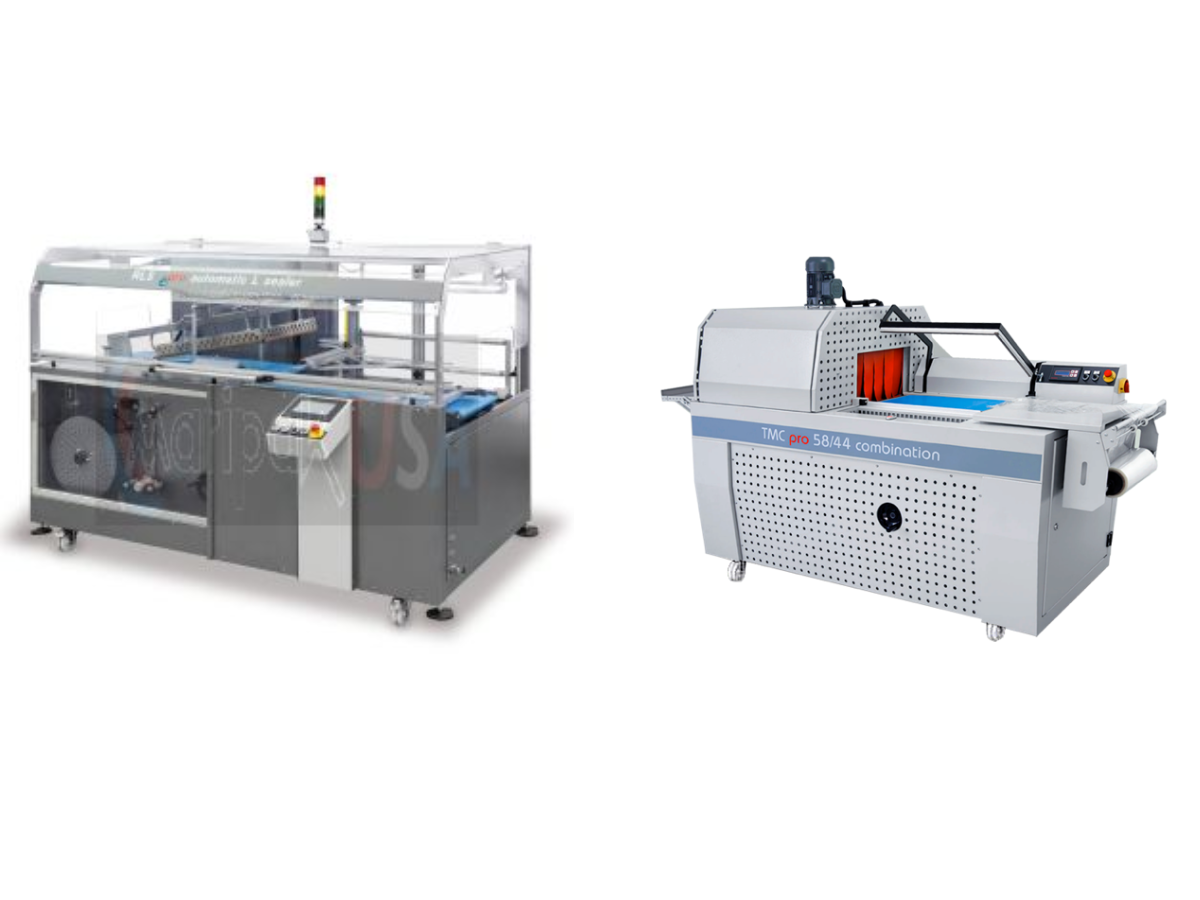
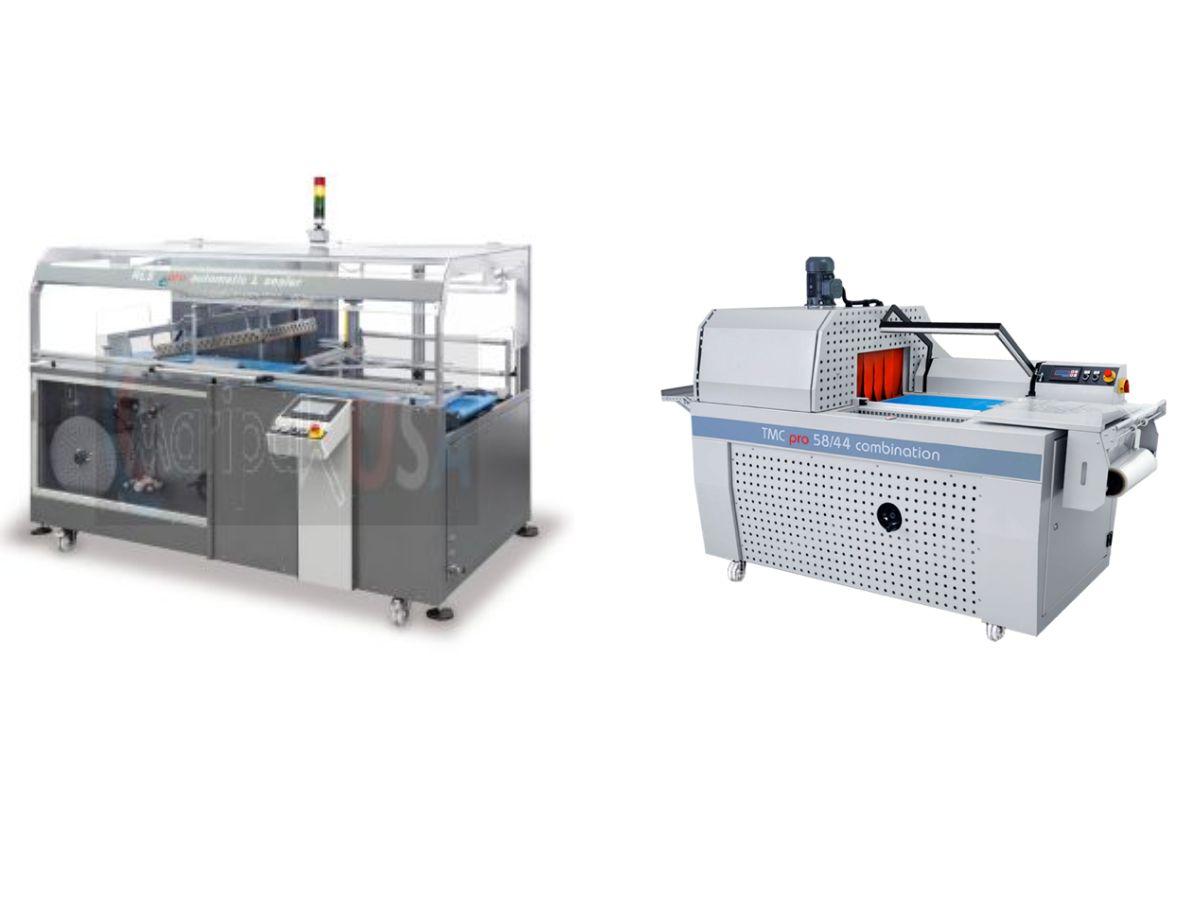
Shrink bundling systems are essential for manufacturers who need secure, stable multipacks for beverages, cans, boxes, and other unitized products. Before running full production, however, the setup must be completed correctly to ensure consistent seals, strong bundles, and efficient workflow. Businesses investing in shrink film bundling equipment must understand the space, power, and operational requirements that allow the machinery to run at peak performance. Proper installation reduces downtime, extends machine life, and maximizes the productivity of your packaging machinery line.
Determining The Correct Space And Layout
Before equipment arrives, the production area should be prepared to accommodate its footprint and workflow.
Allocate Adequate Floor Space
Shrink bundlers and heat tunnels require clear zones around them for loading, film feeding, and maintenance access.
Ensuring Safe And Efficient Operation
Avoid cramped layouts, as technicians need open space to access guards, change film rolls, and inspect conveyor components. A well-planned layout also keeps product flow steady and prevents bottlenecks on the line.
Electrical And Power Requirements
Shrink film bundlers often demand a robust electrical supply due to heaters, tunnels, and conveyor systems.
Confirm Voltage And Amperage Compatibility
Most systems require industrial power connections, often 220V–480V, depending on machine size.
Stabilizing Equipment Performance
Reliable power ensures the bundler maintains the correct seal temperature and tunnel heat, preventing inconsistent shrink quality or film burn-through.
Air Supply And Pneumatic Connections
Many machines rely on air pressure to operate key mechanisms.
Compressed Air Lines Are Often Required
Actuators, pushers, and seal arms commonly run on pneumatic power.
Maintaining Precision Movement
A stable air supply lets shrink film bundling equipment maintain smooth motion, reducing wear and ensuring consistent film cutting and sealing.
Conveyor Alignment And Integration
Bundling machinery typically connects to upstream and downstream conveyors.
Ensure Proper Height And Speed Matching
All conveyors must match the bundler’s height and be synchronized for consistent product flow.
Preventing Jams And Misalignment
Even slight discrepancies can cause product tipping, jams, or improper film application—issues that slow production and wear down components.
Film Roll Setup And Tension Adjustment
Correct film loading ensures strong, wrinkle-free seals.
Align Film Rolls And Adjust Tension
Operators should load shrink film properly, ensuring it tracks straight without pulling or sagging.
Ensuring High-Quality Bundles
Accurate tracking helps film wrap smoothly around multipacks before entering the shrink tunnel, improving appearance and structural stability.
Heat Tunnel Calibration
The shrink tunnel plays a crucial role in final bundle quality.
Set The Correct Temperature And Airflow
Tunnel heat and fan direction must align with the product size and film type.
Producing Tight, Clean Shrinks
Proper calibration prevents weak bundles or overheated material, guaranteeing professional results from your packaging machinery.
Seal Bar And Knife Adjustments
Sealing components must be calibrated before production.
Adjust Sealing Pressure And Heat
Seal bars, knives, or hot wire elements should be tested at low speed before full operation.
Creating Strong, Reliable Seals
Correct settings help eliminate weak seals, burn marks, or incomplete cuts—common issues with incorrectly adjusted machines.
Testing And Fine-Tuning The Line
Before going live, run a full series of test bundles.
Check Flow, Seal Strength, And Shrink Tightness
Evaluate bundle stability, visual appearance, and product alignment.
Preventing Issues Before Mass Production
Early testing ensures your shrink film bundling equipment runs smoothly, reducing rework and waste during actual production cycles.
Operator Training And Safety Procedures
Even the best machinery requires skilled operators.
Train Workers On Loading, Adjustments, And Troubleshooting
Hands-on instruction ensures staff can respond quickly to jams, misfeeds, or seal issues.
Supporting Long-Term Performance
Proper training reduces machine wear, improves safety, and ensures consistent throughput on busy production lines.
Conclusion
Setting up shrink film bundling equipment correctly is essential for achieving strong seals, attractive bundles, and dependable throughput. By preparing your space, aligning conveyors, ensuring proper electrical and air supply, calibrating the heat tunnel, and training operators, your bundling system can deliver consistent, high-quality performance. When integrated smoothly into your packaging machinery line, shrink bundling equipment becomes a powerful tool for improving efficiency, protecting products, and supporting long-term production success.
Comments
Post a Comment