A Complete Guide to Choosing the Right POF Shrink Film Machine for Your Packaging Line

Polyolefin (POF) shrink film has become one of the most popular packaging materials in modern production environments due to its clarity, strength, and versatility. However, to fully leverage its potential, it is essential to pair it with the right POF shrink film machine. Selecting the right equipment impacts not only the packaging quality but also efficiency, cost, and product protection. This comprehensive guide will help you understand how to choose the best machine for your packaging line.
Understanding POF Shrink Film and Its Benefits
POF, or polyolefin, shrink film is a high-clarity, cross-linked material that provides excellent seal strength and puncture resistance. It is widely used in industries such as food, cosmetics, electronics, and pharmaceuticals. Compared to PVC and polyethylene (PE) films, POF is more eco-friendly, non-toxic, and approved for direct food contact. It also performs well under various temperatures and maintains flexibility without becoming brittle.
The film is activated by heat to tightly conform to the product’s shape, providing a professional, tamper-evident seal. To achieve this, a POF shrink film machine is required. These machines apply heat uniformly to the film, ensuring smooth and consistent wrapping that enhances product presentation.
Types of POF Shrink Film Machines
Before selecting a POF shrink film machine, it’s essential to understand the major types available:
1. Manual Shrink Machines
Manual machines are suitable for low-volume operations or small businesses. Operators manually place products in the film and move them through a heat tunnel or apply heat using a heat gun. Though affordable, manual systems are labor-intensive and not ideal for large-scale packaging.
2. Semi-Automatic Shrink Machines
Semi-automatic models combine manual product loading with automated sealing and shrinking. These are perfect for medium production lines where consistency and efficiency are important but full automation may not be cost-effective.
3. Fully Automatic Shrink Machines
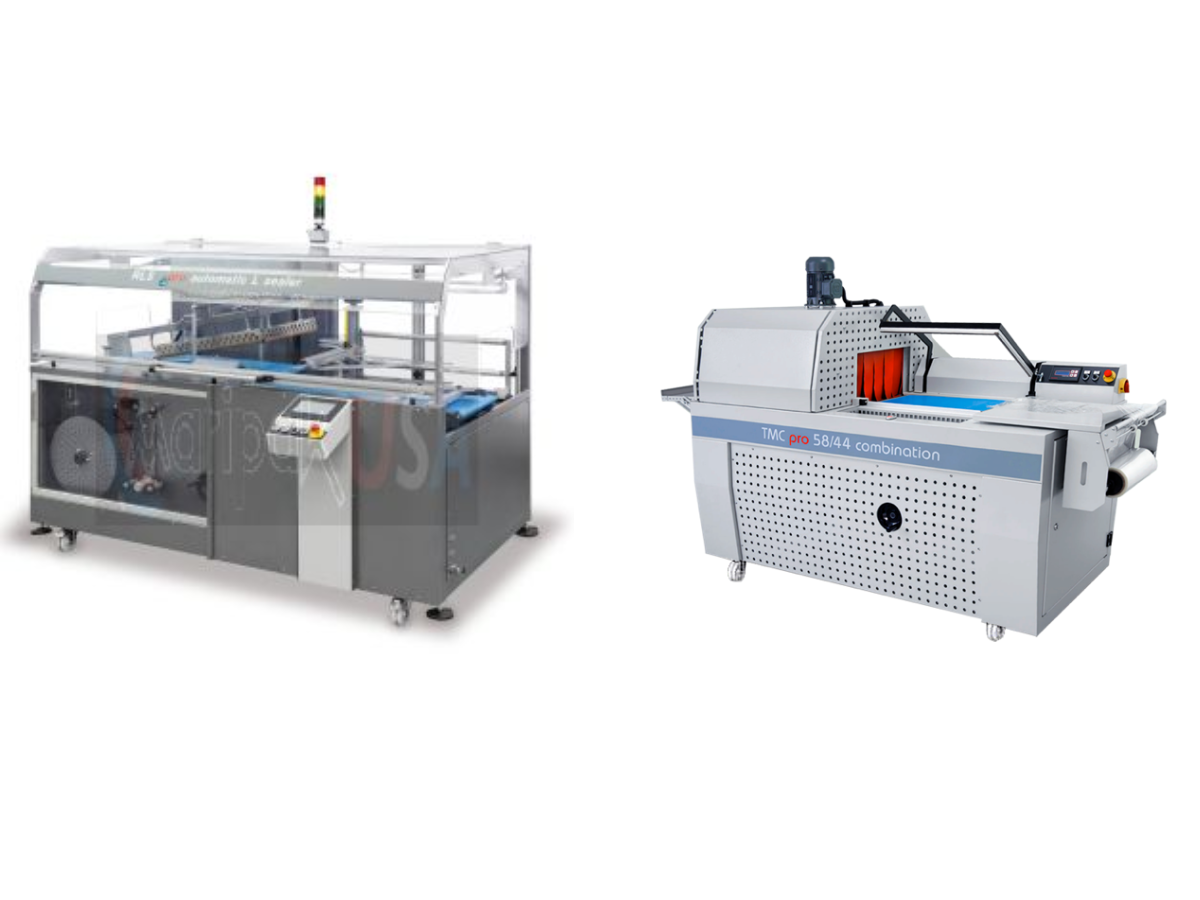
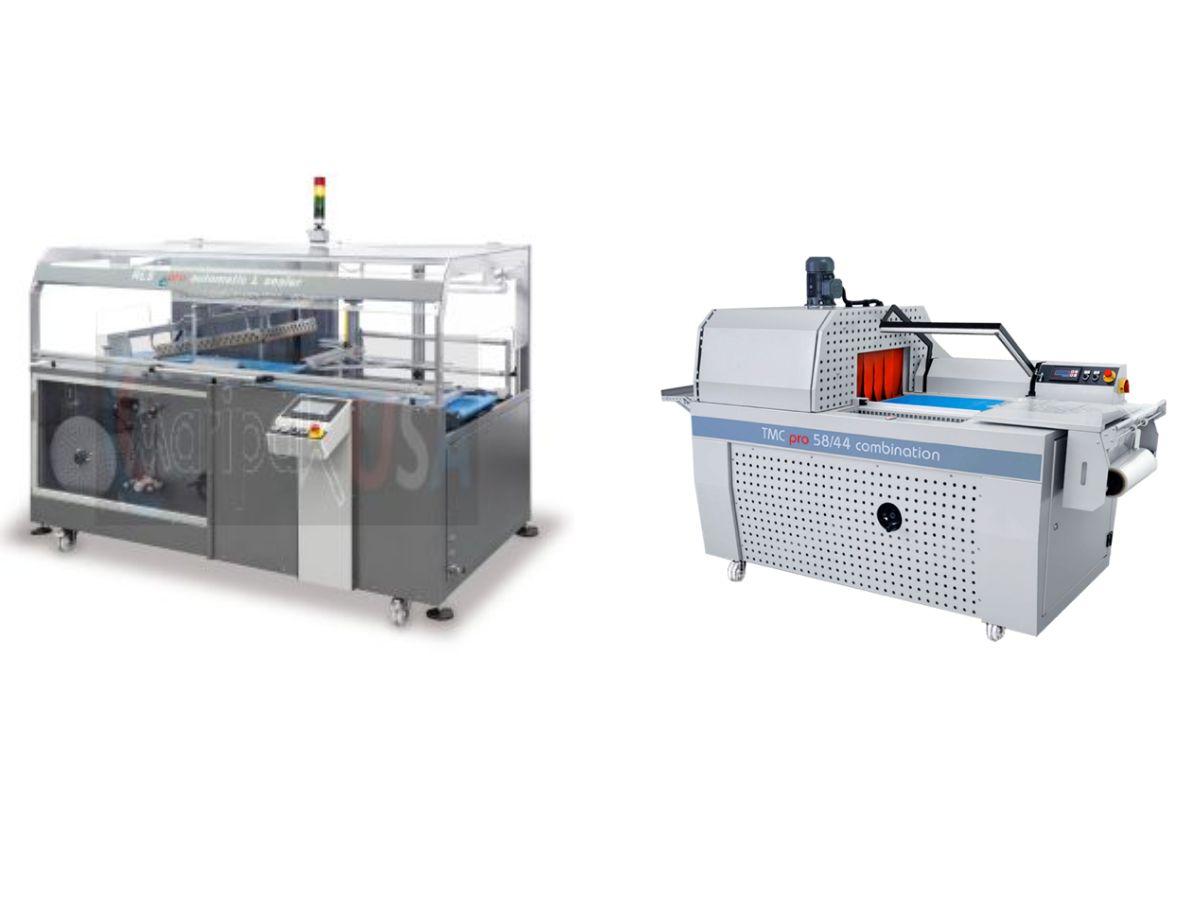
Fully automatic machines handle the entire packaging process — from film feeding and sealing to heat shrinking and cooling. These systems are designed for high-speed, high-volume operations, minimizing labor and maximizing throughput. They often include advanced features like adjustable temperature controls, automatic film cutting, and integrated conveyors.
Key Factors to Consider When Choosing a POF Shrink Film Machine
1. Production Volume and Speed
The most critical factor is your required output. Small businesses with limited packaging needs can opt for manual or semi-automatic models. However, high-volume manufacturers benefit from fully automatic POF shrink film machines that can handle thousands of units per hour efficiently.
2. Product Size and Shape
Different machines are designed for specific product dimensions. Always check the maximum sealing area, tunnel width, and height clearance. If your product range varies significantly, consider a machine with adjustable settings or custom tooling to handle multiple sizes.
3. Film Type and Thickness
POF films come in various gauges, typically from 12 to 25 microns. Thicker films are more durable but require higher heat and longer shrink times. Ensure your chosen machine can handle your preferred film thickness and roll width.
4. Sealing System
Look for machines equipped with strong and consistent sealing systems such as L-bar sealers or side sealers. L-bar sealers are suitable for general packaging, while side sealers handle continuous products like bottled beverages or multipacks.
5. Heat Tunnel Efficiency
The heat tunnel plays a vital role in the shrinking process. High-efficiency tunnels with adjustable air flow and temperature control ensure even film shrinkage without damaging the product. Energy-efficient tunnels also help reduce operating costs over time.
6. Automation and Integration
Modern POF shrink film machines often come with PLC control systems, touchscreen interfaces, and integration capabilities with other packaging equipment. If you’re running an automated production line, ensure the machine communicates effectively with conveyors, labeling units, and case packers.
7. Maintenance and Durability
Choose a machine built from robust materials with easy access to maintenance points. Features like Teflon-coated sealing bars and modular components simplify cleaning and reduce downtime. Additionally, ensure spare parts and technical support are readily available from the manufacturer.
Benefits of Using the Right POF Shrink Film Machine
Investing in a suitable POF shrink film machine offers several advantages:
Improved Product Presentation: Clear and tight packaging enhances the visual appeal of your products.
Reduced Waste: Precision sealing and controlled film usage minimize material waste.
Operational Efficiency: Automated systems improve throughput and reduce manual labor costs.
Product Protection: The sealed film safeguards items from dust, moisture, and tampering.
Sustainability: POF films are recyclable and require less energy to process compared to other films, aligning with eco-friendly initiatives.
Common Mistakes to Avoid
Choosing a machine without assessing your long-term production needs.
Ignoring compatibility between film thickness and machine sealing capacity.
Overlooking the importance of heat tunnel uniformity.
Neglecting maintenance schedules and proper machine calibration.
Avoiding these errors ensures smooth operation and consistent packaging quality.
Conclusion
Selecting the right POF shrink film machine is a crucial investment decision for any packaging operation. By evaluating production volume, product specifications, film type, and machine automation levels, you can find a system that balances cost, performance, and efficiency. When chosen wisely, it enhances product quality, operational reliability, and long-term profitability. Ultimately, pairing your POF shrink film with the right shrink film bundling equipment ensures seamless, professional, and durable packaging results.
Comments
Post a Comment