Innovative Shrink Wrap Equipment Trends for 2025

As we move into 2025, the shrink wrap packaging industry is experiencing a wave of innovation driven by automation, sustainability, and technological advancements. Businesses across sectors—from e-commerce and food production to pharmaceuticals and consumer goods—are increasingly adopting cutting-edge shrink wrap equipment to enhance operational efficiency, reduce environmental impact, and meet evolving consumer expectations. These trends are reshaping packaging strategies, allowing companies to respond quickly to market demands while maintaining high-quality output and sustainable practices.
In this article, we explore the key trends shaping the shrink wrap equipment market in 2025, along with insights on how businesses can leverage these innovations to remain competitive.
1. Increased Automation and Smart Integration
Automation continues to be a dominant trend in shrink wrap equipment. Advanced machines now feature:
Real-time monitoring: Sensors and IoT connectivity enable predictive maintenance and performance tracking.
AI-driven adjustments: Automated systems adjust parameters like film tension and sealing pressure for optimal results.
Seamless integration: Equipment now integrates smoothly with production lines, ERP systems, and warehouse management platforms.
These innovations lead to faster changeovers, reduced downtime, and improved product consistency.
2. Rise of Sustainable and Recyclable Films
Environmental concerns are prompting a shift toward sustainable packaging solutions. In 2025, more than 40% of businesses plan to switch to recyclable and eco-friendly shrink films. This includes:
Polyolefin (POF): Known for its recyclability and clarity.
Recycled-content films: Incorporating post-consumer recycled materials.
Biodegradable options: Reducing long-term environmental impact.
This trend aligns with the global push toward a circular economy and stricter environmental regulations.
3. High-Speed and Compact Systems
With the growth of e-commerce and demand for faster delivery, packaging lines are under pressure to increase throughput. Manufacturers are responding with:
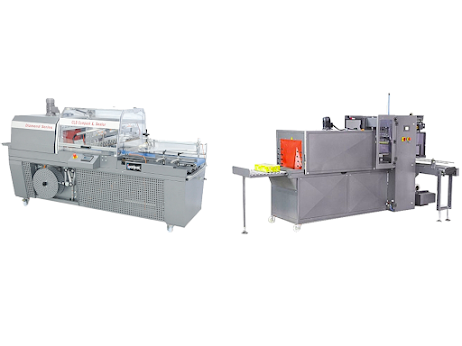
High-speed shrink tunnels: Capable of processing more units per minute without compromising quality.
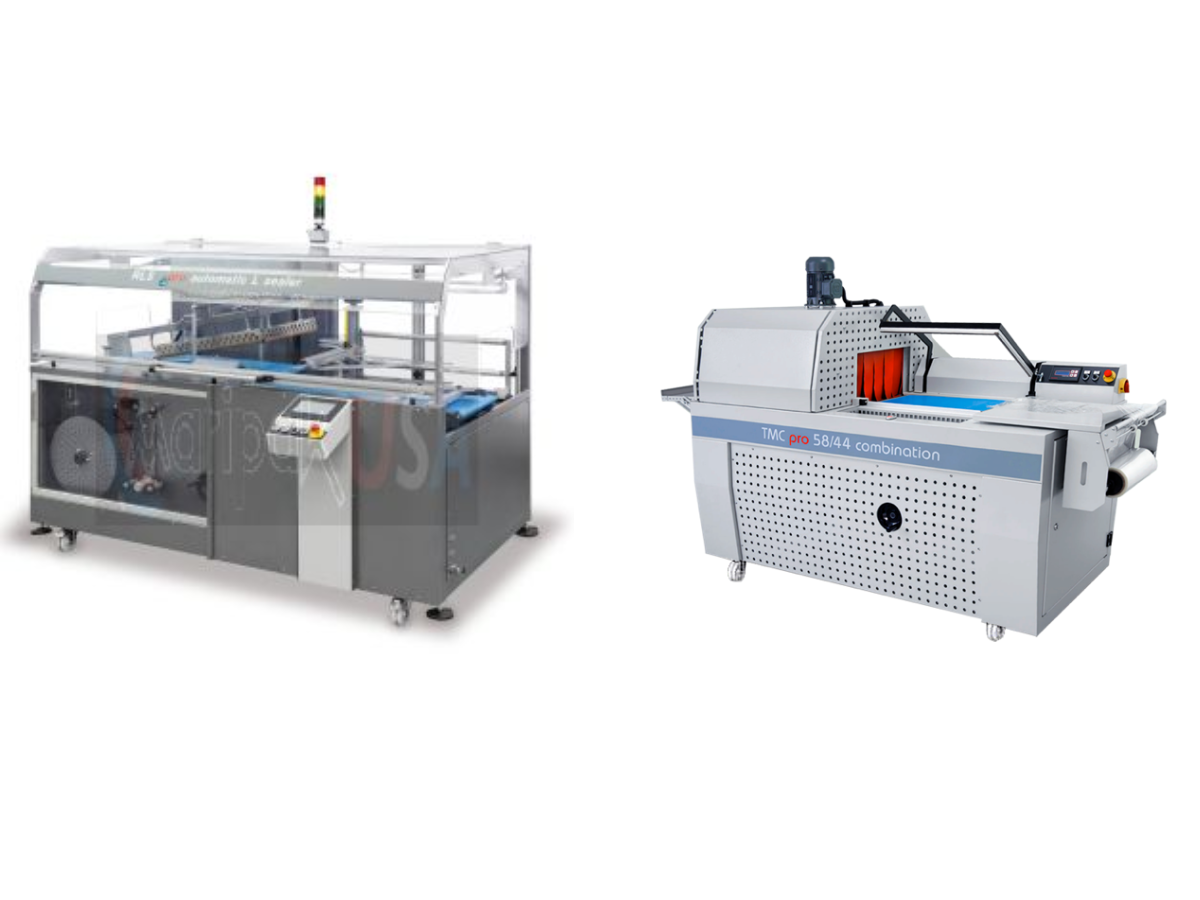
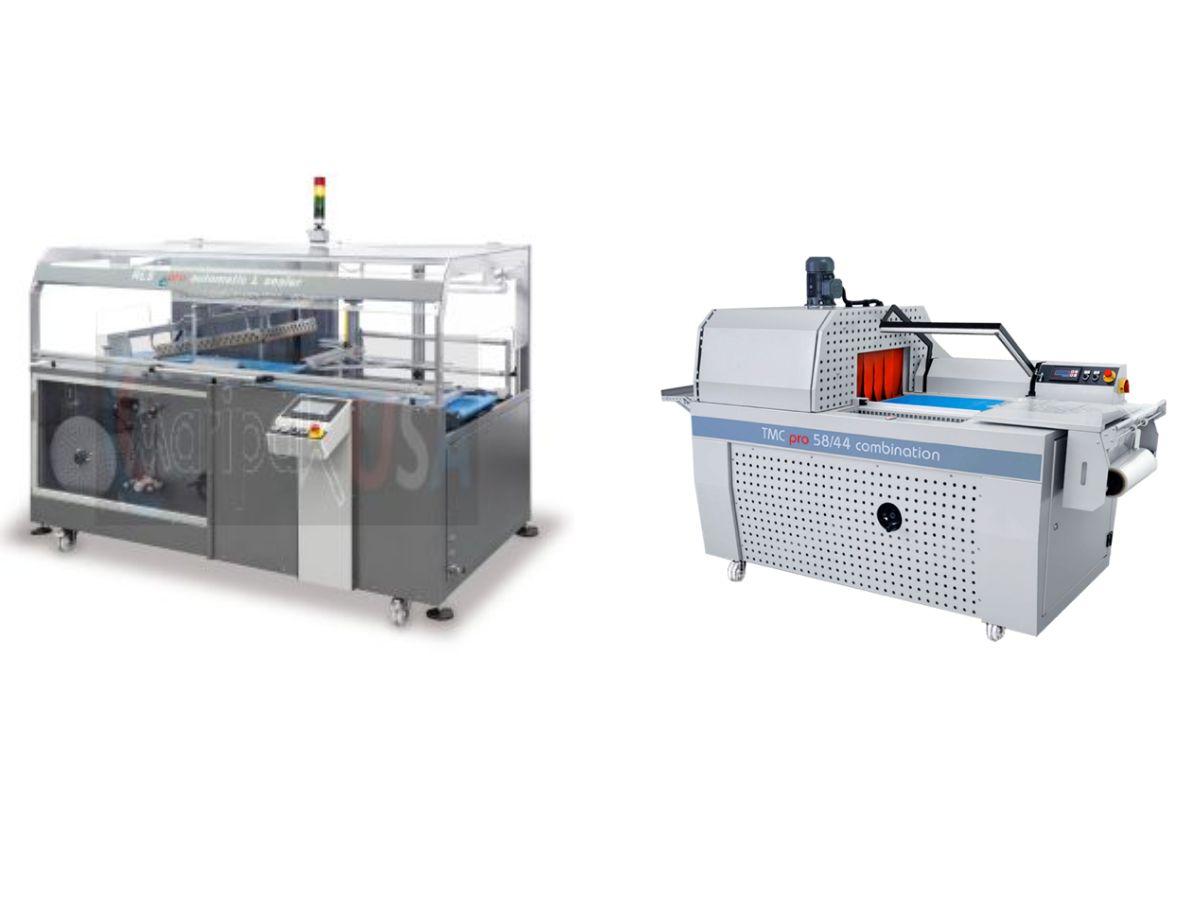
Compact designs: Space-saving machines that fit into smaller production areas without sacrificing performance.
Flexible configurations: Machines that can handle a variety of product sizes and shapes.
These advancements help businesses meet the demands of rapid fulfillment and diverse product lines.
4. Enhanced Print Capabilities
Branding and product differentiation are more important than ever. In 2025, shrink wrap equipment is incorporating:
Digital printing technologies: Allowing for high-quality, short-run custom prints without the need for plates.
In-line printing systems: Enabling real-time application of logos, barcodes, and promotional messages during the wrapping process.
These features support personalized marketing and quick adaptation to market trends.
5. Industry-Specific Customization
Different industries have unique packaging requirements. Shrink wrap equipment is becoming more specialized to cater to these needs:
Food and beverage: Machines designed to handle moisture-sensitive products and maintain hygiene standards.
Pharmaceuticals: Equipment that meets stringent regulatory requirements for tamper-evident seals and sterile packaging.
Consumer electronics: Systems that provide anti-static protection and secure packaging for delicate items.
Tailored solutions ensure compliance and protect product integrity.
6. Integration with Industry 4.0
Industry 4.0 principles are transforming shrink wrap packaging by making machines smarter and more connected.
Smart connectivity allows equipment to communicate with other production line devices, creating synchronized operations and reducing errors.
Data analytics is becoming a key tool for optimization. By collecting and analyzing performance data, companies can fine-tune machine parameters, improve efficiency, and anticipate maintenance needs.
Remote diagnostics enable technicians to troubleshoot and resolve issues without being on-site, reducing downtime and maintenance costs.
This integration not only streamlines operations but also creates a more agile and resilient packaging environment.
Conclusion
The shrink wrap packaging landscape in 2025 is defined by innovation, efficiency, and environmental responsibility. With trends like automation, sustainable films, high-speed systems, enhanced printing, and industry-specific customization, businesses have the tools to optimize their operations and deliver superior packaging solutions.
Investing in cutting-edge shrink wrap packaging machines not only streamlines production but also enhances brand appeal, compliance, and adaptability.
Comments
Post a Comment