Industrial Shrink Wrap Machine: Save Time and Reduce Waste

In modern manufacturing and packaging industries, efficiency and sustainability are critical for maintaining a competitive edge. One of the most effective tools to achieve these goals is the industrial shrink wrap machine. These machines streamline packaging processes, reduce labor costs, and minimize material waste, making them indispensable in factories, warehouses, and distribution centers. By integrating industrial shrink wrap machines into production lines, businesses can optimize their operations while maintaining high standards of product protection and presentation.
Understanding the Industrial Shrink Wrap Machine
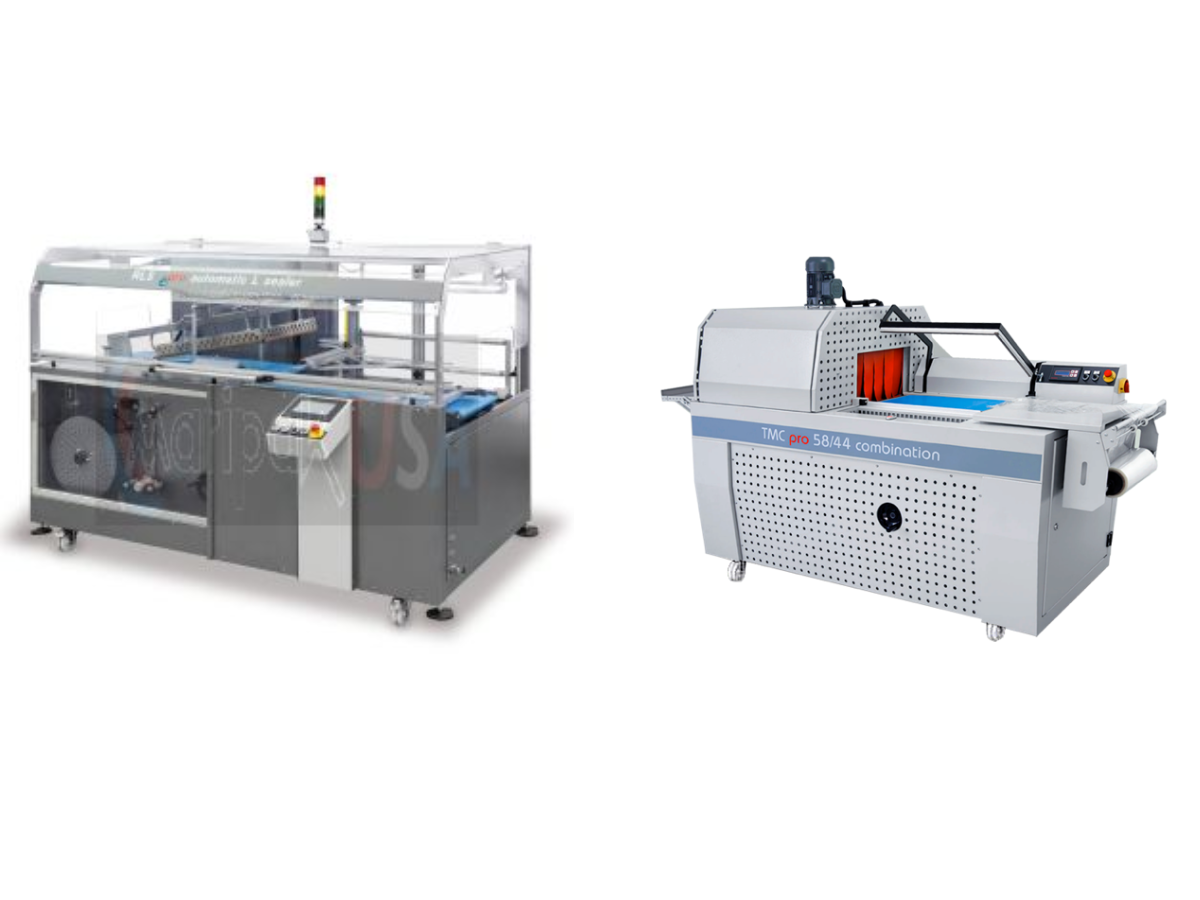
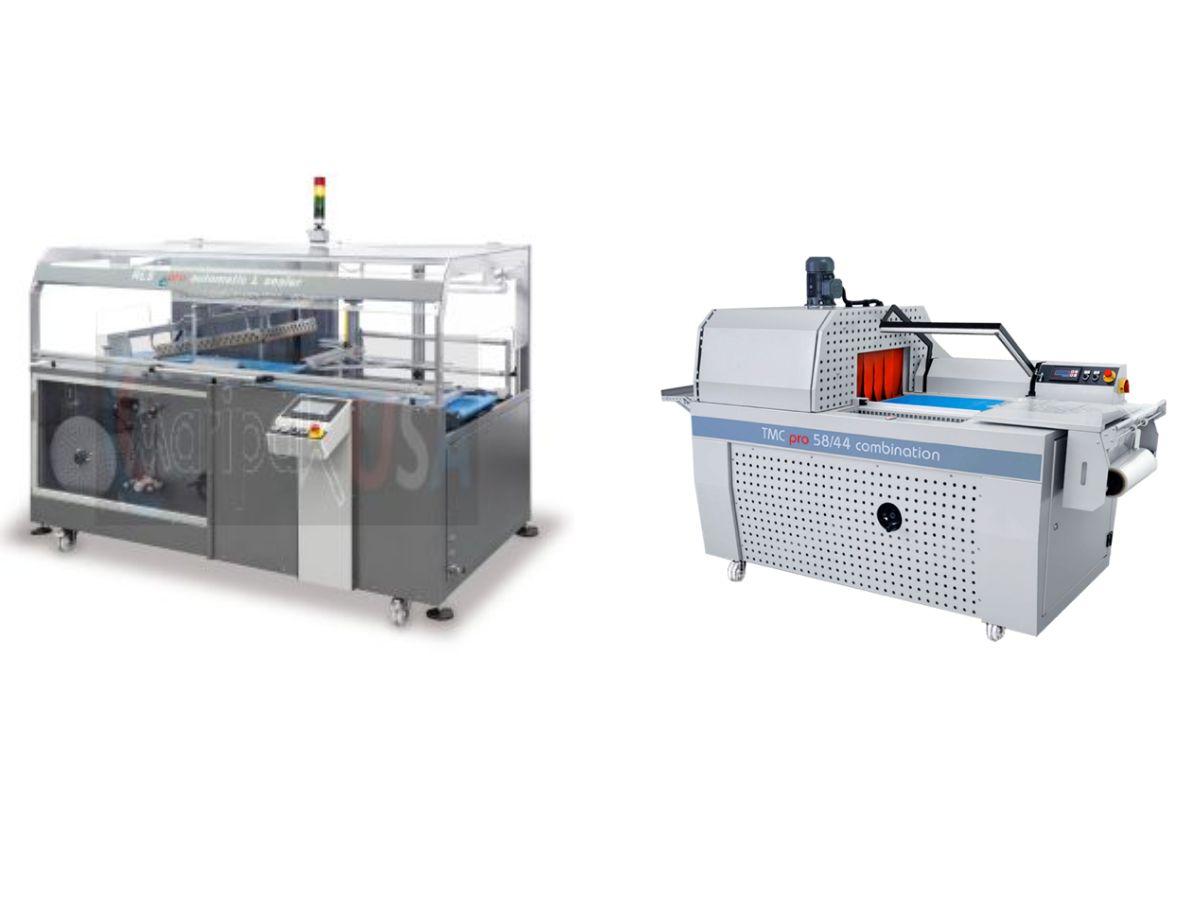
An industrial shrink wrap machine is designed to encase products in shrinkable plastic film and apply heat to tightly seal the package. This method provides secure, protective packaging that prevents damage during transportation, enhances product presentation, and extends shelf life.
Shrink wrap machines come in various types, including manual, semi-automatic, and fully automatic systems. The choice depends on production volume, product dimensions, and workflow requirements. High-volume facilities typically rely on automatic systems, which significantly reduce processing time while maintaining uniformity and quality.
Benefits of Using Industrial Shrink Wrap Machines
The integration of an industrial shrink wrap machine into a packaging line offers several key advantages:
Time Efficiency: Automated shrink wrap machines drastically reduce the time required to package products. Unlike manual wrapping, these machines can process dozens or even hundreds of items per hour with consistent results.
Reduced Material Waste: Properly calibrated machines minimize film usage by applying only the necessary amount of shrink wrap. This not only saves costs but also reduces environmental impact.
Enhanced Product Protection: Shrink wrap provides a tight, tamper-evident seal that protects goods from dust, moisture, and handling damage. This is particularly beneficial for fragile or sensitive products.
Professional Appearance: Shrink-wrapped products look neat and uniform, enhancing their visual appeal and marketability. This is critical for retail and consumer-facing products where presentation matters.
Applications Across Industries
Industrial shrink wrap machines are versatile tools used across various sectors. Common applications include:
Food and Beverage: Shrink wrapping keeps items like bottled drinks, packaged snacks, and bakery products fresh while reducing contamination risk.
Pharmaceuticals and Healthcare: Medication boxes, medical devices, and other sensitive items are shrink-wrapped to ensure sterility and tamper evidence.
Consumer Goods: Electronics, cosmetics, and household products benefit from shrink wrapping for protection and branding purposes.
Industrial Products: Components, tools, and machinery parts are securely packaged to prevent damage during shipping and storage.
The ability to handle diverse products with consistent efficiency makes shrink wrap machines indispensable in modern production workflows.
Cost and Waste Reduction
One of the most compelling reasons to invest in an industrial shrink wrap machine is the potential for cost savings. Traditional packaging methods, such as manual wrapping or boxing, often require more materials and labor. By using shrink wrap, businesses can reduce:
Film usage: Automated machines apply only the necessary amount of plastic, minimizing waste.
Labor costs: Less manual handling means fewer staff hours spent on packaging.
Damage-related losses: Tight shrink wrapping protects products from breakage, returns, and warranty claims.
Additionally, many companies are incorporating recyclable shrink films, further supporting environmental sustainability goals and reducing the ecological footprint of packaging operations.
Maintenance and Best Practices
To ensure consistent performance, industrial shrink wrap machines require proper maintenance and operation. Key practices include:
Regular cleaning: Remove dust, debris, and residue from the machine to prevent film jams and uneven seals.
Calibrating temperature settings: Proper heat levels ensure efficient shrinkage without damaging products or film.
Routine inspection of moving parts: Belts, rollers, and heating elements should be checked for wear and replaced as needed.
Training operators: Skilled personnel ensure machines are used efficiently and safely, maximizing productivity and reducing waste.
By adhering to maintenance schedules and best practices, businesses can extend the life of their equipment and maintain optimal performance.
Technological Advancements
Modern industrial shrink wrap machines incorporate advanced features to enhance efficiency and workflow integration. Some innovations include:
Automated film feeding systems: Reducing manual intervention and increasing speed.
Integrated conveyors: Seamlessly moving products through the shrink process without stopping the production line.
Digital control panels: Offering precise temperature, speed, and sealing adjustments for consistent results.
Energy-efficient components: Reducing power consumption while maintaining high performance.
These technological advancements make shrink wrap machines more adaptable to various production needs and capable of supporting high-volume, fast-paced operations.
The Role of Sealer Machines in Shrink Wrapping
A crucial component of the shrink wrapping process is the sealer machine. Sealer machines work in tandem with shrink wrap machines to create secure seals on packaging film. They apply heat and pressure to bond the edges of the shrink film, ensuring that packages remain intact during handling and transport.
Sealer machines vary in design, including impulse sealers, continuous sealers, and L-bar sealers, each suited to different production scales and product types. For example:
Impulse sealers are ideal for small to medium-sized operations, providing quick, precise seals.
Continuous sealers are suitable for high-volume operations, allowing products to move through the machine without stopping.
L-bar sealers combine sealing and cutting in a single operation, streamlining the workflow and reducing labor costs.
By pairing a sealer machine with an industrial shrink wrap system, manufacturers can achieve fast, reliable, and professional packaging results.
Conclusion
In today’s competitive manufacturing and packaging sectors, an industrial shrink wrap machine is more than a convenience—it’s a strategic investment. By reducing labor costs, minimizing material waste, protecting products, and enhancing workflow efficiency, these machines play a critical role in modern production environments. Integrating shrink wrap systems with sealer machines ensures secure, professional, and consistent packaging, supporting both operational efficiency and sustainability goals.
Comments
Post a Comment